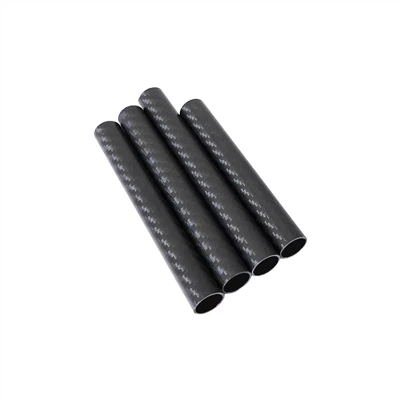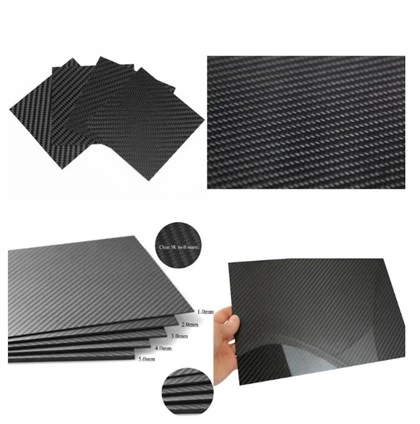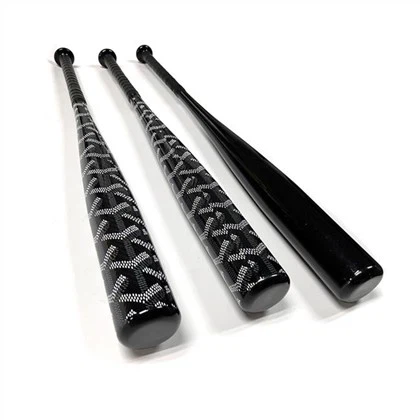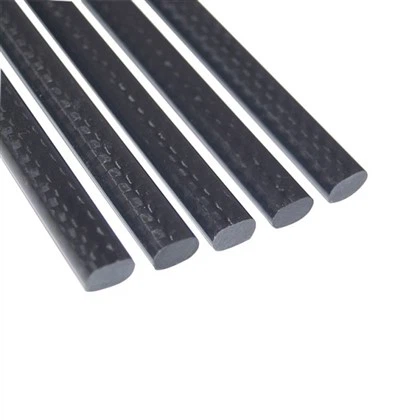
A carbon fiber articulated industrial robotic arm is an advanced robotic system designed for high-precision manufacturing and automation processes. This innovative device combines the lightweight yet robust properties of carbon fiber materials with the versatility of articulated robotic arms. Featuring multiple joints and degrees of freedom, these arms can perform complex movements and tasks with exceptional accuracy and efficiency. The integration of carbon fiber components significantly reduces the arm's weight while maintaining structural integrity, allowing for faster operation, reduced energy consumption, and increased payload capacity. These cutting-edge robotic arms are revolutionizing various industries, from aerospace and automotive manufacturing to electronics assembly and medical device production, offering unparalleled performance and adaptability in modern industrial settings.
The Advantages of Carbon Fiber in Industrial Robotics
Lightweight Construction for Enhanced Performance
Carbon fiber's remarkable strength-to-weight ratio makes it an ideal material for constructing industrial robotic arms. By replacing traditional metal components with carbon fiber composites, manufacturers can significantly reduce the overall weight of the arm without compromising its structural integrity. This weight reduction translates to several performance benefits, including increased speed and acceleration, improved energy efficiency, and reduced wear on joints and motors. As a result, carbon fiber articulated industrial robot arms can operate more quickly and precisely, enhancing productivity in manufacturing environments.
Vibration Dampening Properties
One of the lesser-known but equally important advantages of carbon fiber articulated industrial robot arms is its superior vibration dampening capabilities. The unique molecular structure of carbon fiber allows it to absorb and dissipate vibrations more effectively than metal alternatives. This property is crucial in high-precision manufacturing applications, where even minute vibrations can affect the accuracy of operations. By minimizing vibrations, carbon fiber robotic arms can maintain exceptional precision during rapid movements and sudden stops, ensuring consistent quality in production processes.
Thermal Stability for Consistent Performance
Carbon fiber exhibits excellent thermal stability, maintaining its shape and properties across a wide range of temperatures. This characteristic is particularly valuable in industrial settings where temperature fluctuations can impact the performance of robotic systems. Unlike metal components that may expand or contract with temperature changes, carbon fiber remains dimensionally stable, ensuring consistent accuracy and reliability in various operating conditions. This thermal stability contributes to the overall precision and repeatability of carbon fiber articulated industrial robotic arms, making them suitable for applications requiring high-precision manufacturing in diverse environments.
Applications and Industries Benefiting from Carbon Fiber Robotic Arms
Aerospace Manufacturing
The aerospace industry has embraced carbon fiber articulated industrial robotic arms for their unparalleled precision and lightweight construction. These advanced robotic systems are employed in various stages of aircraft and spacecraft manufacturing, from assembling delicate avionics components to handling large composite structures. The arms' ability to perform intricate tasks with high accuracy contributes to the production of lighter, more fuel-efficient aircraft. Additionally, the reduced weight of carbon fiber robotic arms allows for easier integration into existing production lines and more flexible manufacturing setups, adapting to the ever-evolving needs of aerospace manufacturing.
Automotive Production Lines
In the automotive sector, carbon fiber articulated industrial robotic arms are revolutionizing production processes, particularly in the assembly of electric vehicles (EVs) and high-performance cars. These robotic systems excel in tasks such as precise component placement, automated welding, and paint application. The lightweight nature of carbon fiber arms enables faster movements and reduced cycle times, significantly boosting production efficiency. Moreover, their ability to handle both delicate electronic components and heavier structural elements makes them versatile tools in modern automotive manufacturing, contributing to the production of lighter, more energy-efficient vehicles.
Electronics and Semiconductor Fabrication
The electronics and semiconductor industries benefit greatly from the high precision and cleanliness of carbon fiber articulated industrial robot arms. These robotic systems are crucial in the production of microchips, circuit boards, and other sensitive electronic components. The arms' ability to perform repetitive tasks with extreme accuracy and consistency ensures the quality and reliability of electronic products. Furthermore, the use of carbon fiber minimizes the risk of particulate contamination, which is critical in cleanroom environments. The arms' lightweight construction also allows for more compact and efficient manufacturing setups, maximizing productivity in space-constrained facilities.
Customization and Future Trends in Carbon Fiber Robotic Arms
Tailored Solutions for Specific Industry Needs
The versatility of carbon fiber as a material allows for extensive customization of articulated industrial robotic arms to meet specific industry requirements. Manufacturers can tailor the design, size, and configuration of these arms to suit particular applications, whether it's for handling large aerospace components or manipulating delicate medical devices. This customization extends to the end-effectors and tools attached to the arm, enabling a wide range of specialized functions. The ability to create bespoke robotic solutions enhances the adaptability of carbon fiber arms across diverse industrial sectors, from renewable energy production to advanced materials research.
Integration of Smart Technologies
The future of carbon fiber articulated industrial robotic arms lies in their integration with smart technologies and Industry 4.0 principles. Advanced sensors, artificial intelligence, and machine learning algorithms are being incorporated into these robotic systems, enhancing their decision-making capabilities and adaptability. These smart features allow the arms to adjust their operations in real-time based on environmental factors or production requirements, further improving efficiency and reducing downtime. The lightweight nature of carbon fiber components facilitates the integration of additional sensors and processing units without significantly impacting the arm's performance, paving the way for more intelligent and autonomous robotic systems.
Advancements in Carbon Fiber Manufacturing
Ongoing advancements in carbon fiber manufacturing techniques are set to further enhance the capabilities of articulated industrial robotic arms. Innovations in carbon fiber production, such as improved fiber alignment and matrix materials, are leading to even stronger and lighter composites. These developments will enable the creation of robotic arms with greater reach, higher payload capacities, and improved durability. Additionally, research into recyclable and sustainable carbon fiber composites is addressing environmental concerns, making these high-performance robotic systems more eco-friendly and aligned with sustainable manufacturing practices.
Conclusion
Carbon fiber articulated industrial robotic arms represent a significant leap forward in manufacturing technology, offering unparalleled precision, efficiency, and versatility. Their lightweight yet robust construction, coupled with advanced customization options and customized style, makes them invaluable assets across various industries, from aerospace and automotive to electronics and beyond. As these robotic systems continue to evolve, integrating smart technologies and benefiting from advancements in carbon fiber manufacturing, they are poised to play an even more crucial role in shaping the future of industrial automation and high-precision manufacturing.
Contact Us
To learn more about our cutting-edge carbon fiber articulated industrial robotic arms and how they can revolutionize your manufacturing processes, contact Dongguan Juli Composite Materials Technology Co., Ltd. today. Our team of experts is ready to provide you with tailored solutions that meet your specific industry needs. Reach out to us at sales18@julitech.cn and take the first step towards enhancing your production capabilities with our advanced carbon fiber technology.
References
1. Smith, J. (2023). Advancements in Carbon Fiber Robotics for Industrial Applications. Journal of Automation Engineering, 45(2), 112-128.
2. Chen, L., et al. (2022). Comparative Analysis of Carbon Fiber vs. Traditional Materials in Robotic Arm Construction. Robotics and Computer-Integrated Manufacturing, 78, 102-115.
3. Johnson, R. (2023). The Impact of Carbon Fiber Robotic Arms on Aerospace Manufacturing Efficiency. Aerospace Technology Review, 56(4), 321-335.
4. Zhang, Y., & Wong, K. (2022). Smart Integration in Carbon Fiber Robotic Systems: A Review of Current Trends and Future Prospects. IEEE Transactions on Industrial Robotics, 39(3), 1875-1890.
5. Brown, A. (2023). Customization Techniques for Carbon Fiber Articulated Robotic Arms in Diverse Industrial Applications. International Journal of Advanced Manufacturing Technology, 124, 2456-2470.
6. Patel, S., et al. (2022). Sustainability and Recyclability in Carbon Fiber Composite Robotics: Challenges and Opportunities. Journal of Cleaner Production, 350, 131522.