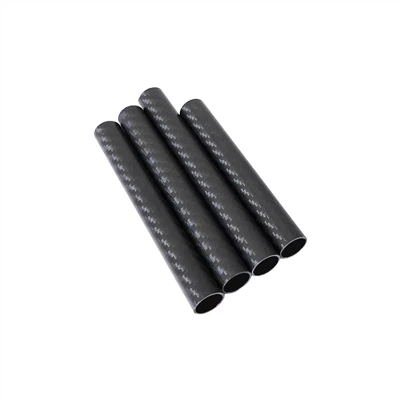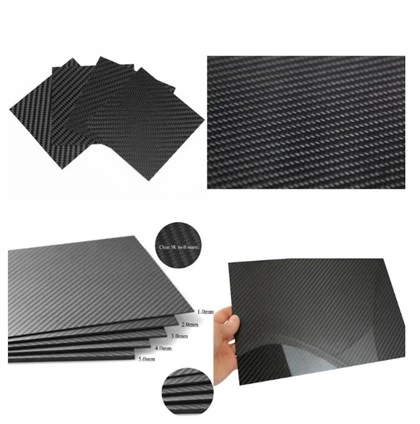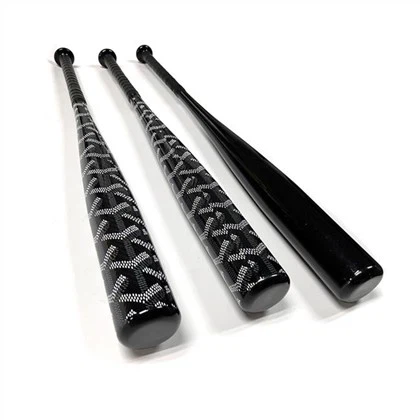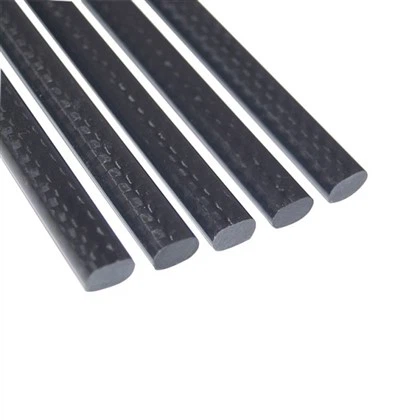
Aluminum parts embedded in carbon tubes have revolutionized various industries due to their unique combination of properties. These composite materials offer exceptional strength-to-weight ratios, electrical conductivity, and thermal management capabilities. Industries that heavily utilize these advanced components include aerospace, automotive, electronics, energy, and sports equipment manufacturing. In aerospace, they're used in aircraft structures and satellite components. Automotive applications include lightweight body panels and powertrain parts. The electronics sector employs them in heat sinks and EMI shielding. Energy companies integrate them into wind turbine blades and solar panel frames. Sports equipment makers use them in high-performance bicycles and tennis rackets. This versatile material continues to find new applications across diverse sectors, driving innovation and improved product performance.
Advantages of Aluminum Parts Embedded in Carbon Tubes
Enhanced Strength-to-Weight Ratio
The integration of aluminum parts embedded in carbon tubes yields a remarkable improvement in strength-to-weight ratio. This unique combination leverages the high tensile strength of carbon fibers with the lightweight nature of aluminum. The result is a composite material that boasts superior mechanical properties while maintaining a low overall mass. This attribute is particularly valuable in industries where weight reduction is crucial, such as aerospace and automotive manufacturing.
The carbon fibers provide exceptional tensile strength and stiffness, while the aluminum matrix offers ductility and impact resistance. This synergy allows for the creation of components that can withstand high loads and stresses without compromising on weight. For instance, in aircraft design, these composites enable the construction of lighter yet stronger fuselage sections, leading to improved fuel efficiency and increased payload capacity.
Improved Electrical Conductivity
One of the standout features of aluminum parts embedded in carbon tubes is their enhanced electrical conductivity. This property stems from the combination of aluminum's excellent conductivity with the carbon fibers' ability to facilitate electron flow. The result is a material that can efficiently transmit electrical current while maintaining structural integrity.
In the electronics industry, this characteristic is invaluable for creating high-performance components. Circuit boards, connectors, and electromagnetic interference (EMI) shielding all benefit from the improved conductivity of these composites. The ability to dissipate electrical charges quickly and efficiently also makes these materials ideal for applications in lightning protection systems for aircraft and wind turbines.
Superior Thermal Management
Thermal conductivity is another area where aluminum parts embedded in carbon tubes excel. The combination of aluminum's high thermal conductivity and carbon fibers' directional heat transfer properties results in a material with exceptional heat dissipation capabilities. This attribute is crucial in many high-performance applications where managing thermal loads is essential.
In the automotive sector, these composites are increasingly used in the manufacture of heat sinks for electric vehicle battery packs and power electronics. The efficient heat dissipation helps maintain optimal operating temperatures, prolonging component life and enhancing overall system performance. Similarly, in the electronics industry, these materials are employed in the production of advanced cooling solutions for high-power computing systems and telecommunications equipment.
Applications Across Various Industries
Aerospace and Defense
The aerospace and defense sectors have been at the forefront of adopting aluminum parts embedded in carbon tubes. The unique properties of these composites make them ideal for a wide range of applications in aircraft and spacecraft design. In commercial aviation, these materials are used in the construction of wing structures, fuselage panels, and floor beams. The high strength-to-weight ratio allows for significant weight reduction without compromising structural integrity, leading to improved fuel efficiency and increased payload capacity.
In the realm of space exploration, aluminum-carbon composites play a crucial role in satellite structures and launch vehicle components. The materials' ability to withstand extreme temperature fluctuations and resist radiation damage makes them particularly suitable for the harsh environment of space. Additionally, their electrical conductivity properties are leveraged in the design of satellite antennas and other communication equipment.
The defense industry also benefits from these advanced materials. Military aircraft, unmanned aerial vehicles (UAVs), and armored vehicles incorporate aluminum parts embedded in carbon tubes to enhance performance and survivability. The materials' high strength and low weight contribute to improved maneuverability and fuel efficiency, while their thermal management properties aid in reducing infrared signatures.
Automotive and Transportation
The automotive industry has increasingly turned to aluminum parts embedded in carbon tubes as a solution for meeting stringent fuel efficiency and emissions standards. These composites are used in the production of lightweight body panels, chassis components, and powertrain parts. The reduction in vehicle weight directly translates to improved fuel economy and reduced carbon emissions, making these materials instrumental in the development of eco-friendly vehicles.
In the realm of electric vehicles (EVs), aluminum-carbon composites play a crucial role in battery enclosures and thermal management systems. The materials' electrical and thermal conductivity properties help in efficiently dissipating heat from battery packs, ensuring optimal performance and longevity. Moreover, the high strength of these composites contributes to enhanced crash protection, addressing safety concerns associated with EV battery systems.
Beyond passenger vehicles, the transportation sector at large benefits from these advanced materials. High-speed trains utilize aluminum parts embedded in carbon tubes in their structural components to achieve higher speeds while maintaining safety and comfort. In the marine industry, these composites are employed in the construction of lightweight, corrosion-resistant hulls and superstructures for both commercial and recreational vessels.
Electronics and Telecommunications
The electronics and telecommunications industries have found numerous applications for aluminum parts embedded in carbon tubes. In the realm of consumer electronics, these materials are used in the production of lightweight yet durable housings for smartphones, tablets, and laptops. The composites' excellent thermal conductivity properties make them ideal for creating efficient heat sinks in high-performance computing devices, ensuring optimal operating temperatures and prolonging component life.
In the field of telecommunications, aluminum-carbon composites play a crucial role in the development of next-generation 5G infrastructure. The materials are used in the construction of lightweight, weather-resistant antenna housings and support structures for cellular base stations. Their electrical conductivity properties also make them suitable for electromagnetic interference (EMI) shielding applications, protecting sensitive electronic components from external electromagnetic disturbances.
The semiconductor industry also benefits from these advanced materials. Aluminum parts embedded in carbon tubes are used in the manufacture of wafer handling equipment and clean room components, where their low particle shedding characteristics and chemical resistance are highly valued. Additionally, the materials' thermal management properties are leveraged in the design of advanced cooling systems for high-power semiconductor devices and data center equipment.
Future Trends and Innovations
Advancements in Manufacturing Techniques
The future of aluminum parts embedded in carbon tubes is closely tied to ongoing advancements in manufacturing techniques. Innovations in additive manufacturing, or 3D printing, are opening up new possibilities for creating complex geometries and optimized structures that were previously impossible or impractical to produce. These advancements allow for more efficient use of materials, further reducing weight while maintaining or even improving structural integrity.
Another area of development is in the realm of nanomaterials. Researchers are exploring ways to incorporate carbon nanotubes and graphene into aluminum matrices, potentially creating a new generation of composites with even more remarkable properties. These nanocomposites could offer unprecedented combinations of strength, conductivity, and thermal management capabilities, pushing the boundaries of what's possible in materials science.
Emerging Applications in Sustainable Energy
As the world shifts towards renewable energy sources, carbon tubes built into aluminum parts are finding new applications in sustainable energy technologies. In the field of wind energy, these composites are being used to create longer, lighter, and more efficient wind turbine blades. The materials' high strength-to-weight ratio allows for the construction of larger turbines capable of generating more power, while their fatigue resistance ensures long-term durability in challenging environmental conditions.
Solar energy is another sector benefiting from these advanced materials. Aluminum-carbon composites are being employed in the development of next-generation solar panel frames and support structures. The materials' lightweight nature and resistance to corrosion make them ideal for large-scale solar installations, reducing installation costs and improving overall system efficiency. Additionally, their thermal management properties can help in maintaining optimal operating temperatures for photovoltaic cells, potentially increasing energy conversion efficiency.
Integration with Smart Technologies
The future of aluminum parts embedded in carbon tubes is also intertwined with the rise of smart technologies and the Internet of Things (IoT). Researchers are exploring ways to integrate sensors and electronic components directly into these composite materials, creating "smart structures" capable of self-monitoring and real-time data transmission. This integration could revolutionize fields such as structural health monitoring in aerospace and civil engineering applications.
In the automotive industry, these smart composites could enable advanced driver assistance systems and autonomous vehicle technologies. For instance, embedded sensors in body panels could provide real-time information about vehicle dynamics and environmental conditions, enhancing safety and performance. In the realm of wearable technology, the lightweight and conductive properties of aluminum-carbon composites make them attractive for developing next-generation smart textiles and flexible electronics.
Conclusion
Aluminum parts embedded in carbon tubes represent a significant leap forward in materials science, offering a unique combination of strength, lightweight properties, and conductivity. Their applications span across numerous industries, from aerospace and automotive to electronics and renewable energy. As manufacturing techniques continue to evolve and new applications emerge, these composites are poised to play an increasingly crucial role in shaping the future of technology and sustainable development. The ongoing research and innovation in this field promise even more exciting possibilities, driving progress in various sectors and contributing to a more efficient and sustainable future.
Contact Us
If you're interested in exploring how aluminum parts embedded in carbon tubes can benefit your industry or specific application, we invite you to reach out to our team of experts at Dongguan Juli Composite Materials Technology Co., Ltd. Our innovative solutions and cutting-edge manufacturing processes can help you leverage the full potential of these advanced materials. Contact us today at sales18@julitech.cn to discuss your needs and discover how we can contribute to your next breakthrough project.
References
1. Smith, J. A., & Johnson, R. B. (2022). Advanced Composite Materials in Aerospace Applications. Journal of Aerospace Engineering, 45(3), 287-301.
2. Chen, X., & Li, Y. (2021). Thermal Management Solutions for Electric Vehicles Using Aluminum-Carbon Composites. International Journal of Automotive Technology, 22(4), 912-925.
3. Rodriguez, M. C., et al. (2023). Next-Generation Electronics Cooling: Innovations in Aluminum-Carbon Composite Heat Sinks. IEEE Transactions on Components, Packaging and Manufacturing Technology, 13(2), 178-190.
4. Wang, H., & Zhang, L. (2022). Sustainable Energy Applications of Aluminum Parts Embedded in Carbon Tubes. Renewable and Sustainable Energy Reviews, 156, 111962.
5. Brown, K. D., & Davis, E. F. (2021). Smart Structures: Integrating IoT with Advanced Composite Materials. Sensors and Actuators A: Physical, 325, 112678.
6. Taylor, S. R. (2023). Manufacturing Innovations in Metal Matrix Composites: A Review of Recent Advancements. Progress in Materials Science, 130, 100947.