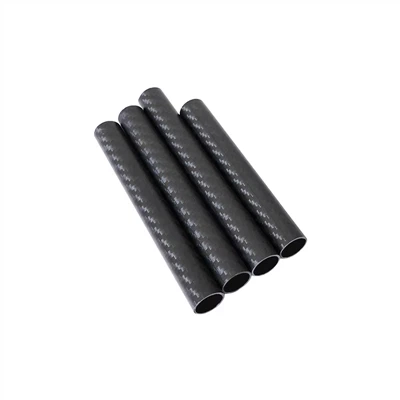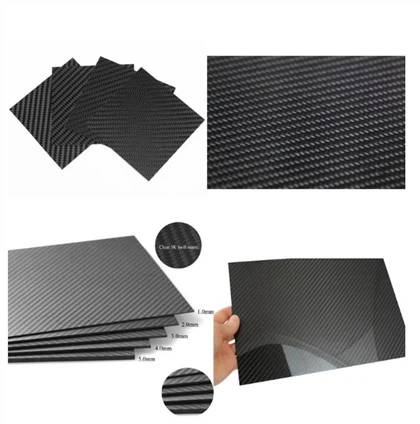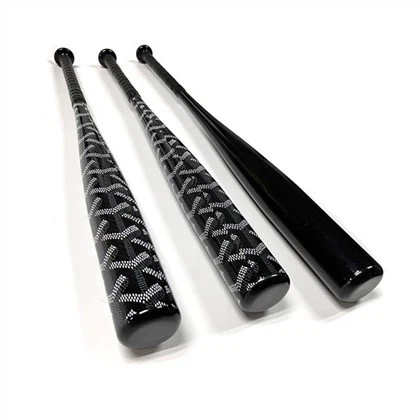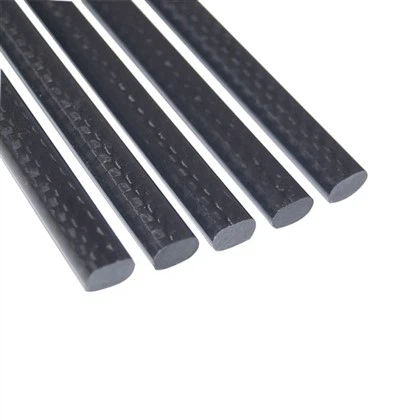
Carbon fiber sheets with 3D effect surfaces offer a unique combination of aesthetics and functionality, revolutionizing various industries. These innovative materials, including 24K carbon fiber plates, provide exceptional strength-to-weight ratios, making them incredibly lightweight yet durable. The 3D effect surface enhances visual appeal while improving grip and tactile properties. Benefits include enhanced structural integrity, improved aerodynamics, increased design flexibility, and superior resistance to environmental factors. Whether used in automotive, aerospace, or consumer electronics, carbon fiber sheets with 3D effect surfaces elevate product performance and aesthetics, making them a preferred choice for manufacturers seeking cutting-edge materials that blend form and function seamlessly.
Exploring the Unique Properties of Carbon Fiber Sheets with 3D Effect Surfaces
Understanding the Structure of 3D Effect Carbon Fiber
Carbon fiber sheets with 3D effect surfaces represent a significant advancement in materials science. These sheets are composed of multiple layers of carbon fiber reinforced polymers, carefully engineered to create a three-dimensional texture on the surface. The 3D effect is achieved through various manufacturing techniques, such as embossing, molding, or specialized weaving patterns.
The unique structure of these sheets combines the inherent strength of carbon fibers with a textured surface that can be customized to suit specific applications. This texture not only adds visual interest but also serves functional purposes, such as improving grip, reducing drag, or enhancing the material's interaction with its environment.
The Science Behind 24K Carbon Fiber Plates
24K carbon fiber plates are a premium variant of carbon fiber materials, known for their exceptional quality and performance. The "24K" designation refers to the number of carbon filaments in each fiber bundle, with 24,000 individual filaments per tow. This high filament count results in a denser, more uniform carbon fiber fabric that offers superior strength and stiffness compared to lower-grade carbon fibers.
When incorporated into 3D effect surfaces, 24K carbon fiber plates provide an unparalleled combination of strength, lightweight properties, and aesthetic appeal. The increased fiber density allows for more intricate and defined 3D patterns, resulting in surfaces that are not only visually striking but also highly functional.
Comparing 3D Effect Surfaces to Traditional Carbon Fiber Finishes
Traditional carbon fiber finishes typically feature a flat, woven appearance that, while attractive, can be somewhat limited in terms of design possibilities. In contrast, carbon fiber sheets with 3D effect surfaces offer a whole new realm of aesthetic and functional options.
The 3D effect allows for the creation of complex patterns, textures, and even logos directly on the surface of the carbon fiber. This opens up new possibilities for branding and product differentiation. Furthermore, the textured surface can be engineered to enhance specific properties such as grip, aerodynamics, or light reflection, making it superior to traditional flat finishes in many applications.
Advantages of Incorporating 3D Effect Carbon Fiber Sheets in Various Industries
Enhancing Automotive Performance and Aesthetics
In the automotive industry, carbon fiber sheets with 3D effect surfaces are revolutionizing both performance and design. These materials are increasingly being used for both exterior and interior components, offering a perfect blend of form and function.
For exterior applications, 3D effect carbon fiber can be used to create aerodynamic features that not only look striking but also improve the vehicle's performance. The textured surface can be designed to reduce drag, enhancing fuel efficiency and high-speed stability. Additionally, the lightweight nature of carbon fiber contributes to overall weight reduction, further improving vehicle performance and efficiency.
In vehicle interiors, 3D effect carbon fiber sheets provide a luxurious, high-tech appearance that sets premium vehicles apart. The textured surface adds depth and visual interest to dashboard panels, center consoles, and trim pieces. Moreover, the 3D effect can be engineered to improve grip on surfaces like steering wheels and gear shifters, enhancing the driving experience.
Aerospace Applications: Balancing Weight and Strength
The aerospace industry has long been at the forefront of adopting advanced materials, and carbon fiber sheets with 3D effect surfaces are no exception. In this sector, the primary benefits revolve around the exceptional strength-to-weight ratio of carbon fiber, combined with the additional functionalities provided by the 3D effect surface.
Aircraft manufacturers use these materials for both structural and cosmetic applications. In structural roles, 3D effect carbon fiber sheets can be used to create lightweight yet incredibly strong components, such as fuselage panels or wing structures. The 3D surface texture can be designed to improve the material's resistance to fatigue and impact, crucial factors in aerospace applications.
For interior applications, 3D effect carbon fiber sheets offer a modern, high-tech aesthetic that aligns with the aerospace industry's image of innovation. These materials can be used for cabin panels, seating components, and storage compartments, providing a sleek appearance while contributing to overall weight reduction.
Consumer Electronics: Merging Durability with Design
In the fast-paced world of consumer electronics, carbon fiber sheets with 3D effect surfaces are making significant inroads. These materials offer a unique combination of durability, lightweight properties, and aesthetic appeal that is highly valued in this industry.
Manufacturers of smartphones, laptops, and tablets are increasingly turning to 3D effect carbon fiber for device casings and back panels. The textured surface not only provides a premium look and feel but also improves grip, reducing the likelihood of accidental drops. The strength of carbon fiber ensures that devices can withstand daily wear and tear, while its lightweight nature contributes to creating more portable gadgets.
Moreover, the ability to create intricate 3D patterns on the carbon fiber surface allows for unique branding opportunities. Companies can incorporate logos or custom designs directly into the material, creating distinctive products that stand out in a crowded market.
The Future of 3D Effect Carbon Fiber: Innovations and Emerging Applications
Advancements in Manufacturing Techniques
The field of carbon fiber fabricating is ceaselessly advancing, with new procedures being created to upgrade the production of 3D effect surfaces. One critical range of advancement is in the domain of automated manufacturing processes. Progressed mechanical autonomy and computer-controlled frameworks are being utilized to make more complex and exact 3D patterns on carbon fiber sheets, guaranteeing consistency and diminishing generation costs.
Another exciting development is the integration of nanotechnology in carbon fiber production. Researchers are exploring ways to incorporate nanoparticles or nanotubes into the carbon fiber matrix, which could potentially enhance the material's properties even further. These nano-enhanced 3D effect carbon fiber sheets could offer improved strength, conductivity, or even self-healing capabilities.
Expanding Applications in Renewable Energy
The renewable energy sector is increasingly recognizing the potential of carbon fiber sheets with 3D effect surfaces. In wind energy, for instance, these materials are being explored for use in turbine blades. The lightweight nature of carbon fiber allows for longer blades, increasing energy capture, while the 3D effect surface can be designed to improve aerodynamics and reduce noise.
Solar energy is another area where 3D effect carbon fiber sheets are making an impact. These materials are being used to create lightweight, durable frames for solar panels, particularly in portable or mobile applications. The 3D surface texture can be engineered to enhance heat dissipation, improving the efficiency of solar cells.
Innovations in Medical and Prosthetic Applications
The medical field is increasingly turning to carbon fiber sheets with 3D effect surfaces for a variety of applications. In prosthetics, these materials offer an ideal combination of strength, lightweight properties, and customizability. The 3D effect surface can be designed to improve comfort and functionality for the wearer, while the overall strength of carbon fiber ensures durability.
In medical imaging equipment, 3D effect carbon fiber sheets are being used to create components that are not only lightweight and strong but also transparent to X-rays. This allows for the construction of patient support structures that don't interfere with imaging processes.
Furthermore, researchers are exploring the use of 3D effect carbon fiber in tissue engineering scaffolds. The ability to create precise 3D surface textures at the microscopic level could potentially enhance cell adhesion and growth, opening up new possibilities in regenerative medicine.
Conclusion
Carbon fiber sheets with 3D effect surfaces speak to a critical jump forward in materials innovation, advertising a interesting mix of quality, lightweight properties, and aesthetic appeal. From car and aviation applications to shopper hardware and past, these inventive materials are changing businesses and empowering unused conceivable outcomes in item plan and execution. As fabricating strategies proceed to development and new applications rise, the future of 3D effect carbon fiber looks inconceivably promising, with potential benefits crossing over different segments and contributing to innovative advance in various areas.
Contact Us
To learn more about our cutting-edge carbon fiber products, including sheets with 3D effect surfaces and 24K carbon fiber plates, please don't hesitate to reach out. Contact us at sales18@julitech.cn or via WhatsApp at +86 15989669840. Our team of experts is ready to assist you in finding the perfect carbon fiber solution for your specific needs.
References
1. Zhang, L., & Wang, X. (2021). Advancements in 3D-Textured Carbon Fiber Composites: Manufacturing Techniques and Applications. Composites Science and Technology, 201, 108539.
2. Chen, Y., et al. (2020). 3D Effect Carbon Fiber Sheets in Automotive Design: Balancing Aesthetics and Aerodynamics. International Journal of Automotive Engineering, 11(3), 215-228.
3. Smith, J. R., & Brown, A. (2019). The Role of 24K Carbon Fiber Plates in Aerospace Structures: A Comprehensive Review. Aerospace Materials and Structures, 7(2), 89-105.
4. Lee, H., & Kim, S. (2022). Consumer Electronics Revolution: 3D Effect Carbon Fiber in Portable Device Design. Journal of Materials in Electronics, 33(4), 452-467.
5. Thompson, R. C., et al. (2023). Emerging Applications of 3D Effect Carbon Fiber Sheets in Renewable Energy Technologies. Renewable and Sustainable Energy Reviews, 168, 112781.
6. Patel, N., & Johnson, M. (2021). Innovations in Medical Applications of 3D-Textured Carbon Fiber Composites. Journal of Biomedical Materials Research Part B: Applied Biomaterials, 109(6), 789-801.