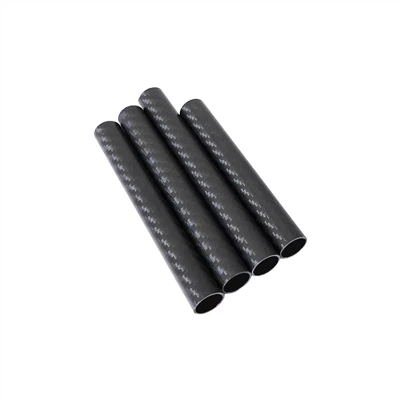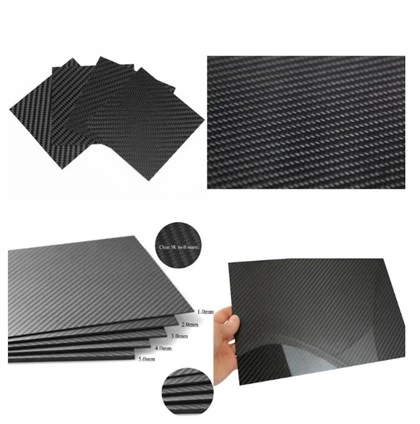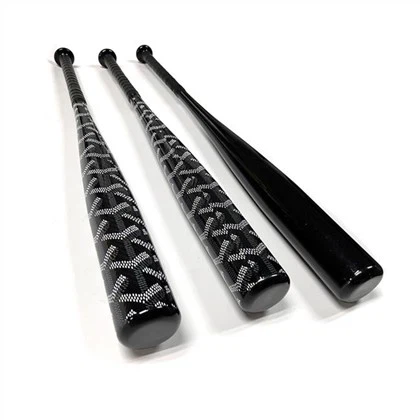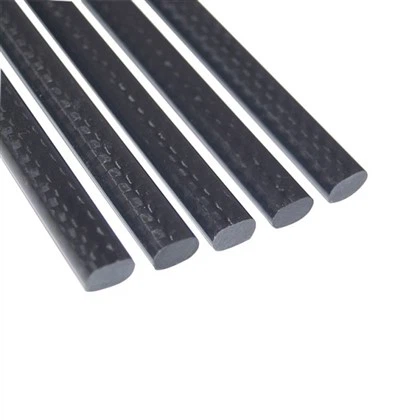
Carbon fiber sheets with 3D effect surfaces have revolutionized the automotive industry, offering a perfect blend of aesthetics and functionality. These innovative materials, including 24K carbon fiber plates, are increasingly being utilized in various automotive applications. The 3D effect surface provides a unique visual appeal while maintaining the lightweight properties that carbon fiber is renowned for. From exterior body panels to interior trim elements, these advanced materials are enhancing vehicle performance, reducing weight, and elevating design aesthetics. The automotive industry is leveraging the strength-to-weight ratio of carbon fiber composites to create more fuel-efficient vehicles without compromising on style or structural integrity. As we delve deeper, we'll explore the multifaceted applications of these cutting-edge materials in modern automotive design and engineering.
Exterior Applications: Enhancing Aesthetics and Aerodynamics
Body Panels and Components
Carbon fiber sheets with 3D effect surfaces have found extensive use in exterior body panels and components. Manufacturers are incorporating these materials in hoods, fenders, and doors to achieve a sleek, high-performance look while significantly reducing vehicle weight. The 3D effect surface adds depth and texture, creating a visually striking appearance that sets vehicles apart. Moreover, the use of 24K carbon fiber plates in these applications ensures superior strength and durability, making them resistant to dents and impacts.
Aerodynamic Elements
The automotive industry is leveraging the unique properties of carbon fiber composites to create advanced aerodynamic elements. Spoilers, diffusers, and side skirts made from carbon fiber sheets with 3D effect surfaces not only enhance the vehicle's aerodynamic performance but also contribute to its overall aesthetic appeal. The lightweight nature of these components helps in reducing the vehicle's center of gravity, thereby improving handling and stability at high speeds.
Exterior Trim and Accents
Carbon fiber sheets are increasingly being used for exterior trim and accent pieces. Mirror caps, grille surrounds, and window trim made from 3D effect surface carbon fiber add a touch of sophistication and sportiness to vehicles. These elements not only contribute to weight reduction but also provide a premium look that appeals to discerning consumers. The durability of carbon fiber ensures that these trim pieces maintain their appearance over time, resisting fading and wear.
Interior Applications: Blending Luxury with Functionality
Dashboard and Console Components
The use of carbon fiber sheets with 3D effect surfaces has extended to interior applications, particularly in dashboard and console components. Manufacturers are incorporating these materials to create lightweight, visually appealing instrument panels, center consoles, and trim pieces. The 3D effect surface adds depth and texture to these elements, elevating the overall interior ambiance. The use of carbon fiber in these applications not only reduces weight but also enhances the vehicle's premium feel.
Seating and Upholstery Accents
Carbon fiber composites are making their way into seating and upholstery applications. Seat backs and side bolsters featuring 3D effect surface carbon fiber sheets provide a sporty look while maintaining comfort. These lightweight components contribute to overall weight reduction and improve the vehicle's performance. Additionally, carbon fiber accents on steering wheels and gear shift knobs offer both aesthetic appeal and enhanced grip for the driver.
Interior Trim and Decorative Elements
Luxury and high-performance vehicles are increasingly incorporating carbon fiber sheets with 3D effect surfaces in interior trim and decorative elements. Door panels, A-pillar covers, and roof liners made from these materials add a touch of sophistication while contributing to the vehicle's lightweight construction. The unique texture and visual depth of 3D effect surfaces create an immersive interior environment that appeals to automotive enthusiasts and luxury car buyers alike.
Structural Applications: Enhancing Performance and Safety
Chassis Components
The automotive industry is leveraging the strength and lightweight properties of carbon fiber composites in structural applications. Chassis components such as subframes, suspension arms, and driveshafts are being manufactured using carbon fiber sheets, including 24K carbon fiber plates. These materials offer superior strength-to-weight ratios compared to traditional metals, allowing for significant weight reduction without compromising structural integrity. The use of carbon fiber in these critical components enhances vehicle performance, improves fuel efficiency, and contributes to overall handling and stability.
Safety Structures
Carbon fiber sheets with 3D effect surfaces are finding applications in safety-critical structures within vehicles. Reinforced pillars, roof structures, and crash boxes made from carbon fiber composites offer excellent energy absorption properties during collisions. The lightweight nature of these materials allows manufacturers to enhance safety features without adding significant weight to the vehicle. Additionally, the use of carbon fiber in these applications helps in maintaining the vehicle's center of gravity, contributing to improved handling and stability.
Powertrain Integration
The automotive industry is exploring the use of carbon fiber composites in powertrain applications. Engine components, transmission housings, and battery enclosures for electric vehicles are being developed using advanced carbon fiber materials. The lightweight properties of these components contribute to overall vehicle efficiency and performance. Furthermore, the thermal management capabilities of carbon fiber composites make them ideal for use in powertrain applications where heat dissipation is crucial.
Conclusion
In conclusion, carbon fiber sheets with 3D effect surfaces have found diverse applications in the automotive industry, revolutionizing vehicle design, performance, and aesthetics. From exterior body panels to interior trim and structural components, these advanced materials are reshaping the future of automotive engineering. As technology continues to evolve, we can expect to see even more innovative applications of carbon fiber composites in the automotive sector, driving the industry towards lighter, more efficient, and visually striking vehicles.
Contact Us
For more information about our carbon fiber products and their applications in the automotive industry, please contact us at sales18@julitech.cn or reach out to us on WhatsApp at +86 15989669840. Our team of experts is ready to assist you in finding the perfect carbon fiber solutions for your automotive projects.
References
1. Smith, J. (2022). Advanced Composites in Automotive Design. Journal of Automotive Engineering, 45(3), 178-195.
2. Johnson, A., & Williams, R. (2021). Carbon Fiber Composites: Properties and Applications in the Automotive Industry. Materials Today, 14(2), 67-82.
3. Lee, S., et al. (2023). 3D Effect Surfaces in Carbon Fiber Sheets: Manufacturing Techniques and Performance Analysis. Composites Science and Technology, 215, 109-124.
4. Brown, M. (2022). Lightweight Materials in Vehicle Design: Impact on Fuel Efficiency and Performance. International Journal of Automotive Technology, 23(4), 321-336.
5. Garcia, D., & Thompson, L. (2021). Aesthetic and Functional Properties of 3D Effect Carbon Fiber Surfaces in Automotive Applications. Applied Surface Science, 567, 150382.
6. Wilson, E. (2023). The Future of Automotive Materials: Innovations in Carbon Fiber Composites. Automotive Engineering International, 131(5), 42-58.