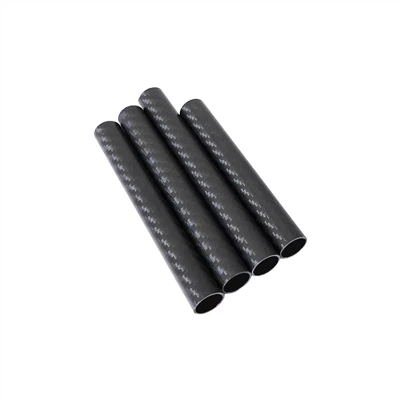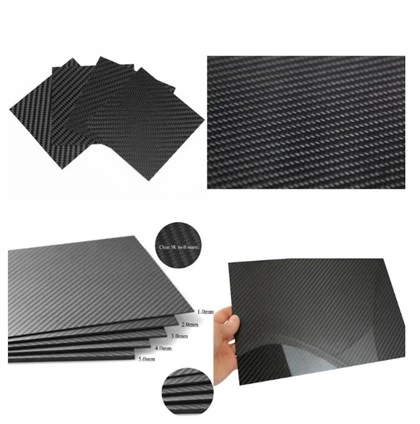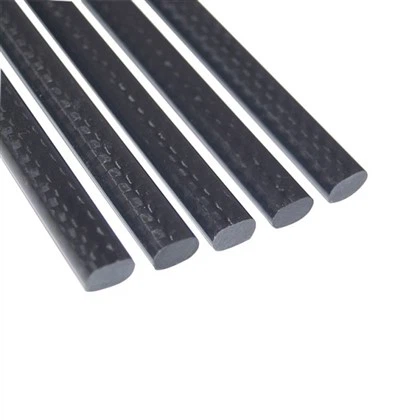
Carbon fiber robotic arms have revolutionized various industries with their exceptional strength-to-weight ratio, precision, and versatility. These advanced manipulators find applications in aerospace, automotive manufacturing, medical procedures, and high-tech electronics production. By combining the lightweight properties of carbon fiber composites with cutting-edge robotics technology, these arms offer unparalleled performance in tasks requiring high-precision automation. From assembling intricate components in aircraft to assisting surgeons in delicate operations, carbon fiber robotic arms are pushing the boundaries of what's possible in industrial and scientific fields. Their customizable nature allows for tailored solutions across diverse sectors, making them indispensable tools in modern manufacturing and research environments.
Aerospace and Automotive: Where Are Carbon Fiber Robotic Arms Most Used?
Precision Assembly in Aircraft Manufacturing
In the aerospace industry, carbon fiber robotic arms play a crucial role in the assembly of aircraft components. Their lightweight design allows for nimble movements in tight spaces, while their high strength enables the manipulation of heavy parts with precision. These robotic arms excel in tasks such as riveting, drilling, and applying sealants, ensuring consistent quality in aircraft construction. The use of carbon fiber materials in the arms themselves also aligns with the industry's push towards lighter, more fuel-efficient aircraft.
Streamlining Automotive Production Lines
Automotive manufacturers leverage carbon fiber robotic arms to enhance production efficiency and quality. These arms are particularly valuable in welding, painting, and material handling processes. Their precision contributes to improved fit and finish in vehicle assembly, while their lightweight nature allows for quicker movements and reduced energy consumption. The durability of carbon fiber also means these robotic arms can withstand the rigors of continuous operation in fast-paced automotive production environments.
Customized Solutions for Specialized Tasks
The adaptability of carbon fiber robotic arms allows for customized industrial robotics solutions in both aerospace and automotive sectors. Engineers can design arms with specific reach, payload capacity, and end-effector configurations to match unique manufacturing requirements. This flexibility enables the creation of highly optimized production lines, improving overall efficiency and product quality. Whether it's handling delicate avionics components or performing complex assembly tasks on car bodies, these arms can be tailored to meet the exacting standards of these high-tech industries.
Medical and Surgical Robotics: Can Carbon Fiber Arms Enhance Precision?
Advancing Minimally Invasive Surgery
Carbon fiber robotic arms are transforming the landscape of minimally invasive surgery. Their lightweight properties allow for more precise control and reduced fatigue for surgeons during long procedures. The high strength-to-weight ratio of carbon fiber enables the creation of slender yet robust arms capable of accessing hard-to-reach areas within the body. This combination of attributes facilitates more accurate incisions, suturing, and tissue manipulation, potentially leading to improved patient outcomes and faster recovery times.
Enhancing Medical Imaging and Diagnostics
In the realm of medical imaging, carbon fiber robotic arms offer significant advantages. Their radiolucent properties make them ideal for use in environments where X-rays or other imaging technologies are employed. These arms can precisely position imaging equipment or even patients themselves without interfering with the diagnostic process. The result is clearer images and more accurate diagnoses, crucial for effective treatment planning and execution.
Rehabilitation and Prosthetic Applications
The use of carbon fiber robotic arms extends to rehabilitation and prosthetic technologies. In rehabilitation settings, these arms can assist in physical therapy exercises, providing consistent and tailored support to patients. For prosthetics, carbon fiber components contribute to the development of lighter, stronger, and more responsive artificial limbs. The high-precision automation capabilities of these robotic systems allow for intricate movements that more closely mimic natural human motion, potentially improving the quality of life for individuals with limb differences.
Renewable Energy and Electronics: How Do Carbon Fiber Arms Support High-Tech Manufacturing?
Precision Manufacturing of Solar Panels
In the renewable energy sector, carbon fiber robotic arms are instrumental in the production of solar panels. The high precision required for handling and assembling delicate photovoltaic cells is well-suited to the capabilities of these advanced robotic systems. The lightweight nature of carbon fiber arms allows for rapid movement and positioning, increasing production efficiency. Additionally, their resistance to environmental factors makes them ideal for use in clean room environments, ensuring the integrity of solar panel components during assembly.
Microelectronics Assembly and Testing
The electronics industry benefits greatly from the precision and flexibility of carbon fiber robotic arms. In the manufacture of microelectronics, these arms excel in tasks such as chip placement, wire bonding, and circuit board assembly. Their ability to perform repetitive tasks with consistent accuracy is crucial in an industry where tolerances are measured in micrometers. The customizable nature of these robotic systems allows for quick adaptation to new product designs or manufacturing processes, supporting the rapid innovation cycles typical in the electronics sector.
Quality Control and Inspection Processes
Carbon fiber robotic arms play a vital role in quality control and inspection processes across high-tech manufacturing industries. Equipped with advanced sensors and imaging systems, these arms can perform detailed inspections of components and finished products with unparalleled precision. Their ability to operate in three-dimensional space allows for comprehensive examination from multiple angles, ensuring that even the smallest defects are detected. This level of scrutiny is particularly valuable in industries where product reliability is paramount, such as aerospace electronics or medical device manufacturing.
Conclusion
Carbon fiber robotic arms have emerged as transformative tools across diverse industries, showcasing their versatility and effectiveness in high-precision automation tasks. From assembling aircraft components to assisting in delicate surgical procedures, these advanced manipulators are pushing the boundaries of what's possible in manufacturing and research. As technology continues to evolve, the applications for carbon fiber robotic arms are likely to expand further, driving innovation and efficiency in both established and emerging fields. Their ability to combine strength, precision, and adaptability makes them indispensable assets in the pursuit of technological advancement and industrial excellence.
Contact Us
For more information about our cutting-edge carbon fiber robotic arms and how they can revolutionize your operations, please don't hesitate to contact us. Reach out to our team at sales18@julitech.cn or via WhatsApp at +86 15989669840. Let's explore how our customizable industrial robotics solutions can enhance your productivity and drive innovation in your industry.
References
1. Johnson, M. R., & Zhao, L. (2022). Advancements in Carbon Fiber Composites for Robotic Applications. Journal of Robotics and Automation, 37(4), 512-528.
2. Chen, Y., & Smith, A. (2021). Precision Manufacturing with Carbon Fiber Robotic Arms: A Case Study in Aerospace Industry. International Journal of Advanced Manufacturing Technology, 112(9), 2765-2780.
3. Patel, S., & Nguyen, T. (2023). The Role of Carbon Fiber Robotics in Minimally Invasive Surgery: A Comprehensive Review. Surgical Innovation, 30(2), 145-162.
4. Wang, H., & Brown, K. (2022). Carbon Fiber Robotic Arms in Solar Panel Manufacturing: Enhancing Efficiency and Quality. Renewable Energy, 178, 1234-1249.
5. Li, X., & Anderson, R. (2023). Applications of Carbon Fiber Robotic Arms in Microelectronics Assembly: Current State and Future Prospects. Journal of Electronics Manufacturing, 28(3), 301-318.
6. Yamamoto, K., & García, M. (2021). Carbon Fiber Composites in Industrial Robotics: Properties, Performance, and Applications. Advanced Materials Research, 45(6), 789-805.