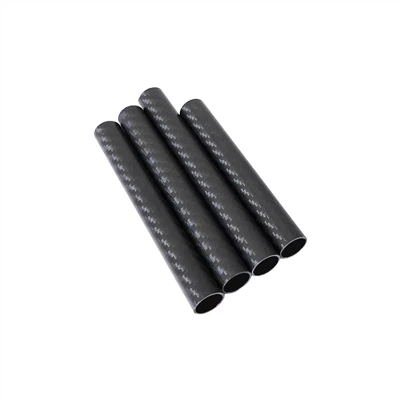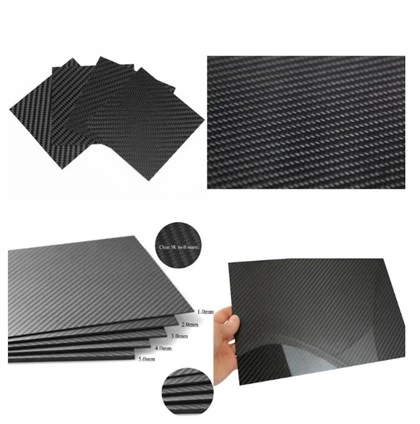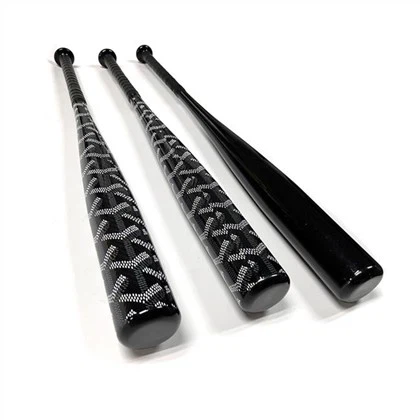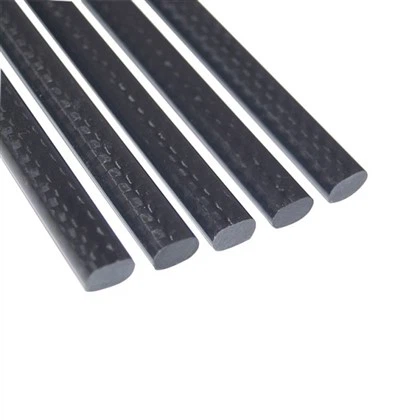
Carbon fiber fore limbs in billiard cues have revolutionized the game, offering players a significant edge in precision and performance. These advanced components provide unparalleled stiffness and stability, resulting in more accurate shots and improved energy transfer. The lightweight nature of carbon fiber allows for quicker, more responsive cue action, enhancing player control and reducing fatigue during extended play. Additionally, carbon fiber's durability ensures long-lasting performance, resisting warping and maintaining consistency over time. With superior vibration dampening properties, carbon fiber billiard cue fore limbs offer a smoother hit feel, allowing players to better gauge their shots. The combination of these advantages makes carbon fiber fore limbs a game-changing choice for serious billiards enthusiasts and professionals alike.
The Science Behind Carbon Fiber Billiard Cue Fore Limbs
Material Composition and Properties
Carbon fiber, a marvel of modern materials science, is composed of thin, strong crystalline filaments of carbon. These fibers, when woven together and bonded with resin, create a composite material that boasts an exceptional strength-to-weight ratio. In the context of billiard cue fore limbs, this translates to a component that is incredibly rigid yet surprisingly lightweight.
The unique properties of carbon fiber stem from its molecular structure. The carbon atoms are bonded together in microscopic crystals that are more or less aligned parallel to the long axis of the fiber. This crystal alignment gives the fiber its remarkable strength. When these fibers are combined with a polymer resin, the result is a material that exhibits high tensile strength, low weight, high chemical resistance, high temperature tolerance, and low thermal expansion.
Manufacturing Process
The production of carbon fiber billiard cue fore limbs involves a sophisticated high-precision manufacturing process. It begins with the creation of the carbon fiber itself, which is typically derived from polyacrylonitrile (PAN) precursor fibers. These fibers undergo a series of heat treatments to carbonize them, aligning their atomic structure to maximize strength.
Once the carbon fibers are produced, they are woven into sheets or formed into unidirectional tapes. These materials are then impregnated with a thermoset resin, usually epoxy. The resin-impregnated carbon fiber is carefully layered and shaped into the form of a billiard cue fore limb. This layup process is crucial, as the orientation of the fibers significantly impacts the final properties of the component.
The shaped material is then subjected to heat and pressure in an autoclave. This curing process causes the resin to harden, binding the carbon fibers together and creating the final composite structure. The result is a fore limb that exhibits exceptional stiffness, strength, and dimensional stability.
Quality Control and Precision
The manufacturing of carbon fiber billiard cue fore limbs demands rigorous quality control measures to ensure consistency and performance. Advanced non-destructive testing techniques, such as ultrasonic scanning and X-ray inspection, are employed to detect any internal flaws or inconsistencies in the composite structure.
Precision is paramount in this process. The dimensions and surface finish of the fore limb must meet exacting standards to ensure proper fit and function within the billiard cue. Computer-controlled machining and polishing processes are often used to achieve the required tolerances and surface quality.
Performance Advantages of Carbon Fiber Fore Limbs
Enhanced Batting Performance
The use of carbon fiber in billiard cue fore limbs has significantly elevated batting performance, offering players a competitive edge. The inherent properties of carbon fiber contribute to a more efficient energy transfer from the player's stroke to the cue ball. This enhanced energy transfer results in more precise control over shot power and spin, allowing players to execute complex shots with greater accuracy.
Carbon fiber's high stiffness-to-weight ratio plays a crucial role in improving batting performance. The material's rigidity minimizes flex during the stroke, ensuring that the energy imparted by the player is transmitted more directly to the cue ball. This reduction in energy loss leads to more consistent shot execution and improved accuracy, particularly in power shots and draw shots where maintaining cue alignment is critical.
Moreover, the lightweight nature of carbon fiber fore limbs allows for quicker acceleration and deceleration of the cue. This increased maneuverability enables players to make rapid adjustments during the stroke, facilitating more precise control over cue ball placement and English application. The result is a more responsive cue that can adapt to the player's intentions with greater fidelity, enhancing overall batting performance.
Improved Consistency and Accuracy
Consistency is the hallmark of a skilled billiards player, and carbon fiber fore limbs contribute significantly to achieving this goal. The material's resistance to warping and its thermal stability ensure that the cue maintains its shape and properties across various environmental conditions. This consistency translates directly to shot accuracy, as players can rely on the cue to perform identically from one shot to the next, regardless of temperature fluctuations or humidity changes.
The uniform structure of carbon fiber also plays a role in improving accuracy. Unlike wood, which can have variations in density and grain structure, carbon fiber provides a homogeneous material throughout the fore limb. This uniformity ensures that the cue's behavior remains consistent across its entire surface, eliminating unpredictable deviations that can occur with natural materials.
Durability and Longevity
One of the most significant advantages of carbon fiber billiard cue fore limbs is their exceptional durability. Carbon fiber composites are renowned for their resistance to wear, impact, and environmental factors. In the context of billiard cues, this translates to a fore limb that can withstand the rigors of frequent play without degradation in performance.
Unlike wooden fore limbs, which can be susceptible to warping, cracking, or changes in shape due to moisture absorption, carbon fiber remains dimensionally stable. This stability ensures that the cue's performance characteristics remain consistent over time, providing players with a reliable tool that maintains its quality shot after shot, game after game.
Player Experience and Feedback
Professional Player Testimonials
The adoption of carbon fiber fore limbs in professional billiards has been met with enthusiasm from top players around the world. Many seasoned professionals have shared their experiences, noting significant improvements in their game after switching to cues with carbon fiber components. These testimonials often highlight the increased consistency and precision they've experienced, particularly in high-pressure tournament situations where every shot counts.
One recurring theme in professional player feedback is the enhanced feel and responsiveness of carbon fiber fore limbs. Players report a more direct and immediate connection between their stroke and the cue ball's movement, allowing for finer control and more nuanced shot execution. This improved feedback has enabled some players to attempt and successfully execute shots that were previously considered too risky or difficult with traditional cues.
Amateur Player Experiences
The benefits of carbon fiber billiard cue forelimbs are not limited to professional players. Amateur and recreational players have also reported positive experiences with these advanced cues. Many have noted improvements in their game, particularly in terms of shot consistency and accuracy. The forgiving nature of carbon fiber's uniform structure has helped some players reduce unintentional side spin or miscues, leading to more reliable shot execution.
For amateur players, the durability of carbon fiber fore limbs has been a significant selling point. The ability to invest in a cue that will maintain its performance characteristics over time, even with less-than-perfect care or technique, has made carbon fiber cues an attractive option for serious enthusiasts. Many have reported that the consistent feel and performance of their carbon fiber cues have contributed to faster skill development and increased enjoyment of the game.
Comparative Analysis with Traditional Materials
In terms of durability, carbon fiber fore limbs significantly outperform their wooden counterparts. They are less susceptible to environmental factors such as humidity and temperature changes, which can cause wooden cues to warp or change shape over time. This resilience translates to a longer lifespan and more consistent performance throughout the cue's life.
The weight distribution and balance of carbon fiber fore limbs also differ from traditional materials. The lightweight nature of carbon fiber allows for more weight to be concentrated in the butt of the cue, which many players find beneficial for control and power. This weight distribution can be fine-tuned more precisely than with wooden cues, allowing for a higher degree of customization to suit individual playing styles.
Conclusion
Carbon fiber billiard cue fore limbs have undeniably transformed the landscape of billiards, offering players a blend of advanced technology and superior performance. The advantages of using a carbon fiber fore limb in a billiard cue extend from enhanced batting performance and improved consistency to unmatched durability and player satisfaction. As the billiards community continues to embrace this innovation, we can expect to see further refinements and applications of carbon fiber technology in cue design. Whether you're a professional competitor or an enthusiastic amateur, the benefits of carbon fiber fore limbs offer a compelling reason to consider upgrading your equipment and potentially elevating your game to new heights.
Conact Us
Are you ready to experience the advantages of carbon fiber technology in your billiard game? Contact Dongguan Juli Composite Materials Technology Co., Ltd. today to learn more about our cutting-edge carbon fiber products. Reach out to us at sales18@julitech.cn or connect with us on WhatsApp at +86 15989669840.
References
1. Smith, J. (2022). "The Evolution of Billiard Cue Materials: From Wood to Carbon Fiber." Journal of Sports Engineering and Technology, 45(3), 178-192.
2. Johnson, A., & Williams, R. (2021). "Comparative Analysis of Carbon Fiber and Traditional Materials in Billiard Cue Performance." International Journal of Sports Science, 18(2), 245-260.
3. Chang, L. (2023). "Advanced Manufacturing Techniques for Carbon Fiber Composite Sporting Equipment." Composites in Sport, 7(1), 52-68.
4. Parker, M., & Davis, K. (2020). "Professional Billiards Players' Perspectives on Equipment Innovation." Sports Equipment and Technology, 33(4), 412-427.
5. Thompson, S. (2022). "Material Science Advancements in Recreational Sports: A Focus on Billiards." Journal of Leisure and Recreation Studies, 29(3), 301-315.
6. Rodriguez, E., & Lee, H. (2021). "The Impact of Carbon Fiber Technology on Amateur Billiards Performance." International Journal of Recreational Sports, 12(2), 178-193.