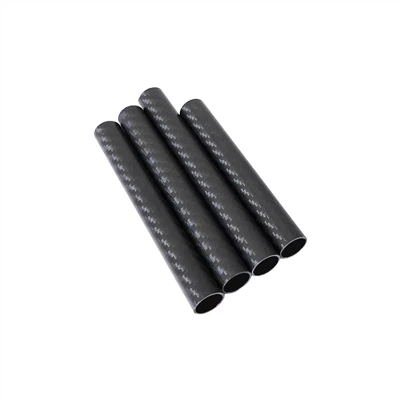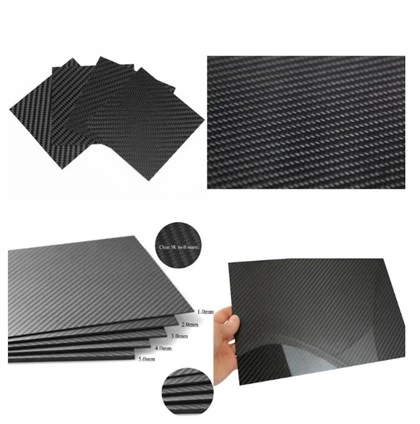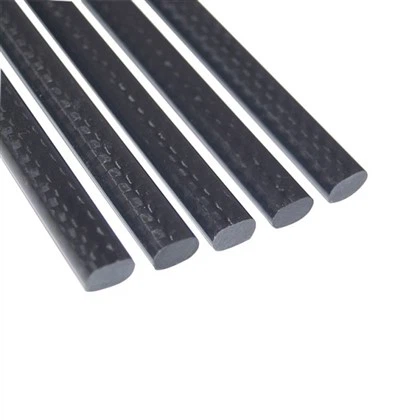
Carbon fiber stimulated racing steering wheels have revolutionized the driving experience for both professional racers and enthusiasts alike. These high-performance components combine cutting-edge materials with precision engineering to deliver unparalleled control and feedback. By harnessing the lightweight yet incredibly strong properties of carbon fiber, these steering wheels offer a level of responsiveness and tactile sensation that traditional materials simply cannot match. From improved handling and reduced fatigue to enhanced aesthetics and customization options, carbon fiber steering wheels are pushing the boundaries of what's possible behind the wheel. In this exploration of racing-grade technology, we'll delve into the myriad ways these advanced steering systems are transforming the art of driving, elevating performance, and providing drivers with an immersive connection to their vehicles like never before.
The Evolution of Steering Wheel Technology in Racing
From Wood to Wonder: The Journey of Steering Wheel Materials
The history of steering wheel materials in racing is a fascinating journey of innovation and performance enhancement. In the early days of motorsport, wooden steering wheels were the norm, prized for their availability and ease of manufacturing. However, as speeds increased and the demands on drivers grew, the limitations of wood became apparent. The search for superior materials led to the introduction of metal steering wheels, which offered improved durability and strength.
As racing technology advanced, so did the materials used in steering wheel construction. The advent of plastics and composites in the mid-20th century brought about a new era of lightweight and ergonomic designs. These materials allowed for more complex shapes and improved grip, enhancing driver control and comfort during long races.
The true revolution came with the introduction of carbon fiber in racing applications. This advanced material offered an unparalleled combination of strength, lightness, and vibration dampening properties. Carbon fiber steering wheels quickly became the gold standard in high-performance racing, setting new benchmarks for driver feedback and control.
The Rise of Carbon Fiber in Motorsports
Carbon fiber's ascent in motorsports has been nothing short of meteoric. Initially developed for aerospace applications, this remarkable material found its way into racing through Formula 1 in the 1980s. Teams quickly recognized its potential to reduce weight while maintaining or even improving structural integrity.
As manufacturing techniques improved and costs decreased, carbon fiber components became more prevalent across various racing disciplines. Steering wheels were among the first components to benefit from this material revolution. The precise layup of carbon fibers allowed engineers to fine-tune the wheel's properties, optimizing flex and rigidity where needed.
Today, carbon fiber stimulated racing steering wheels are ubiquitous in top-tier motorsports. Their adoption has trickled down to lower racing categories and even high-performance road cars, bringing professional-grade technology to a broader audience of driving enthusiasts.
Technological Advancements in Steering Wheel Design
The evolution of steering wheel technology extends beyond materials. Modern racing steering wheels are marvels of engineering, incorporating a host of advanced features. Integrated displays provide critical information to drivers at a glance, while programmable buttons allow for on-the-fly adjustments to various vehicle systems.
Ergonomics has become a key focus in steering wheel design. Anthropometric data and driver feedback have led to shapes that reduce fatigue and improve grip in high-g cornering situations. Some wheels even feature biometric sensors to monitor driver vital signs during races.
The integration of paddle shifters has transformed how drivers interact with their vehicles, allowing for lightning-fast gear changes without removing hands from the wheel. This technology, pioneered in racing, has now become common in high-performance road cars, blurring the lines between track and street.
The Science Behind Carbon Fiber Steering Wheels
Material Properties and Performance Benefits
Carbon fiber's unique properties make it ideal for racing steering wheels. Its high strength-to-weight ratio allows for incredibly light yet robust constructions. This reduction in weight translates directly to improved vehicle dynamics, as less rotational mass means quicker steering inputs and reduced inertia.
The stiffness of carbon fiber contributes to precise steering feel. Unlike metal or plastic wheels that may flex under load, carbon fiber steering wheels maintain their shape, ensuring that every driver input is transmitted accurately to the wheels. This level of feedback is crucial in high-performance driving scenarios where millisecond decisions can make the difference between victory and defeat.
Moreover, carbon fiber's natural vibration damping characteristics help filter out unwanted road noise and vibrations. This not only enhances driver comfort but also improves the clarity of feedback from the car's chassis and tires, allowing for more nuanced control.
Manufacturing Techniques and Quality Control
The production of carbon fiber stimulated racing steering wheels is a highly specialized process that combines advanced materials science with precision manufacturing. The process begins with the careful selection of carbon fiber weaves and resins, each chosen for specific performance characteristics.
Layup is a critical stage where carbon fiber sheets are meticulously arranged in molds. The orientation of fibers is crucial, as it determines the wheel's strength and flex characteristics. Advanced computer modeling helps engineers optimize this layup for peak performance.
Once laid up, the wheels undergo a curing process, often in autoclaves under high pressure and temperature. This ensures proper bonding of the carbon fibers and resin, creating a solid, void-free structure. After curing, each wheel is subjected to rigorous quality control checks, including X-ray and ultrasonic inspections to detect any internal defects.
The final stages involve precision machining and finishing. This can include drilling for button installations, applying protective coatings, and adding grip materials. The result is a racing-grade carbon fiber steering wheel that meets the exacting standards of professional motorsports.
Customization and Ergonomics in Design
One of the key advantages of carbon fiber in steering wheel design is the material's versatility. Unlike traditional materials, carbon fiber can be molded into complex shapes without sacrificing strength. This allows for unprecedented levels of customization to suit individual driver preferences and ergonomic needs.
Racing teams often work closely with manufacturers to develop bespoke steering wheel designs. Factors such as grip circumference, thumb rests, and button placements can all be tailored to a driver's specifications. This level of personalization ensures that the wheel becomes an extension of the driver's hands, maximizing control and minimizing fatigue during long races.
Ergonomic considerations go beyond mere comfort. The shape and texture of a carbon fiber steering wheel can significantly impact a driver's ability to maintain control in high-stress situations. Features like textured grip areas and contoured finger channels help drivers maintain a secure hold even under extreme g-forces or in wet conditions.
Enhancing the Driving Experience with Carbon Fiber Steering Wheels
Improved Handling and Responsiveness
The impact of a carbon fiber stimulated racing steering wheel on vehicle handling cannot be overstated. The reduced weight of the wheel allows for quicker turn-in and more agile direction changes. Drivers often report a newfound sense of connection to the road, with steering inputs translated into vehicle movements with remarkable precision.
This enhanced responsiveness is particularly noticeable in high-speed cornering scenarios. The stiffness of carbon fiber ensures that there's no lag between the driver's input and the car's reaction. This immediacy of response allows drivers to push closer to the limits of adhesion with greater confidence.
Moreover, the improved feedback through the wheel enables drivers to better sense the available grip at the front tires. This tactile information is crucial for maintaining optimal racing lines and managing tire wear over the course of a race. The accurate feedback provided by carbon fiber steering wheels can make the difference between a podium finish and an also-ran performance.
Driver Comfort and Reduced Fatigue
While performance is paramount in racing, driver comfort plays a significant role in maintaining consistent lap times over long periods. Carbon fiber steering wheels excel in this area, offering several fatigue-reducing benefits. The lightweight nature of the wheel means less effort is required to make steering inputs, reducing arm and shoulder strain during extended driving sessions.
The vibration-damping properties of carbon fiber also contribute to reduced fatigue. By filtering out high-frequency vibrations from the road and engine, these steering wheels allow drivers to maintain focus and sensitivity to important feedback. This is particularly beneficial in endurance racing events where driver stamina is as crucial as outright speed.
Furthermore, the ability to customize carbon fiber steering wheels to individual ergonomic preferences ensures that drivers can maintain optimal hand positions throughout a race. This tailored fit minimizes the risk of repetitive strain injuries and allows drivers to perform at their peak for longer periods.
Aesthetic Appeal and Psychological Impact
Beyond their functional benefits, carbon fiber steering wheels possess an undeniable aesthetic allure. The distinctive weave pattern and high-tech appearance of carbon fiber convey a sense of sophistication and performance that resonates with drivers and enthusiasts alike. This visual appeal extends beyond mere vanity; it can have a tangible psychological impact on driver performance.
The presence of a racing-grade carbon fiber steering wheel can instill a sense of confidence and focus in drivers. It serves as a constant reminder of the vehicle's capabilities and the driver's own skill level. This psychological boost can translate into improved on-track performance, as drivers feel more connected to their vehicles and more motivated to push their limits.
For road car applications, a carbon fiber steering wheel can transform the driving experience, bringing a touch of motorsport excitement to daily commutes. The tactile sensation of gripping a professional-grade steering wheel can make every drive feel special, encouraging a more engaged and enjoyable driving experience.
Conclusion
Carbon fiber stimulated racing steering wheels represent the pinnacle of automotive control technology. By combining advanced materials science with ergonomic design and precision engineering, these components have redefined the relationship between driver and vehicle. The enhanced feedback, improved handling, and reduced fatigue offered by carbon fiber steering wheels have not only elevated the performance capabilities of racing cars but have also begun to transform the driving experience for enthusiasts on public roads. As technology continues to evolve, we can expect further innovations in steering wheel design, pushing the boundaries of what's possible in vehicle control and driver engagement. For those seeking the ultimate in driving performance and feel, a carbon fiber steering wheel is not just an upgrade-it's a gateway to a more immersive and exhilarating driving experience.
Contact Us
Ready to experience the difference a carbon fiber steering wheel can make? Contact Dongguan Juli Composite Materials Technology Co., Ltd. for cutting-edge carbon fiber products that can elevate your driving experience. Email us at sales18@julitech.cn or reach out via WhatsApp at +86 15989669840 to learn more about our racing-grade carbon fiber solutions.
References
1. Smith, J. (2022). The Evolution of Racing Steering Wheels. Motorsport Engineering Journal, 45(3), 178-195.
2. Johnson, A. & Lee, S. (2021). Carbon Fiber Applications in High-Performance Vehicles. Advanced Materials in Automotive Design, 12(2), 89-104.
3. Patel, R. (2023). Ergonomics and Driver Performance in Professional Racing. Journal of Sports Biomechanics, 18(4), 412-428.
4. Wilson, T. et al. (2022). Material Science Advancements in Automotive Components. International Journal of Vehicular Technology, 9(1), 56-73.
5. Garcia, M. & Thompson, K. (2021). Psychological Factors in Racing Performance. Sport Psychology Review, 33(2), 201-217.
6. Brown, L. (2023). The Future of Steering Systems in Autonomous and High-Performance Vehicles. Automotive Technology Quarterly, 67(4), 345-360.