Carbon fiber stimulated racing steering wheels have revolutionized the world of performance racing, offering unparalleled precision and control to drivers. These cutting-edge components, crafted from advanced carbon fiber materials, provide a perfect blend of lightweight construction and exceptional strength. The impact of carbon fiber steering wheels on racing performance is profound, enabling drivers to experience enhanced feedback, improved handling, and increased responsiveness. By incorporating racing-grade materials and innovative design techniques, these steering wheels deliver accurate feedback, allowing drivers to make split-second decisions with confidence. The result is a transformative driving experience that pushes the boundaries of speed and control, elevating performance racing to new heights.
The Evolution of Racing Steering Wheels: From Traditional to Carbon Fiber
Historical Perspective on Racing Steering Wheels
Racing steering wheels have undergone a remarkable transformation since the early days of motorsports. Initially, steering wheels were simple wooden structures, designed primarily for functionality rather than performance. As racing evolved, so did the materials and design of steering wheels. The introduction of metal alloys marked a significant improvement, offering increased durability and better control. However, these early iterations were often heavy and lacked the refined feedback that modern racers demand.
The Advent of Carbon Fiber in Racing
The introduction of carbon fiber to the racing world marked a pivotal moment in steering wheel evolution. This innovative material, known for its exceptional strength-to-weight ratio, quickly gained traction among racing teams and manufacturers. Carbon fiber's unique properties allowed for the creation of steering wheels that were not only incredibly light but also remarkably strong and stiff. This combination of attributes proved ideal for the high-stress environment of competitive racing.
Advantages of Carbon Fiber Steering Wheels
Carbon fiber steering wheels offer a multitude of advantages over their traditional counterparts. The reduced weight contributes to improved vehicle dynamics and faster response times. The material's inherent stiffness translates to more direct and precise steering inputs, allowing drivers to feel every nuance of the track. Additionally, carbon fiber's excellent vibration damping properties help reduce driver fatigue during long races, enhancing overall performance and safety.
Engineering Marvels: The Science Behind Carbon Fiber Steering Wheels
Material Composition and Manufacturing Processes
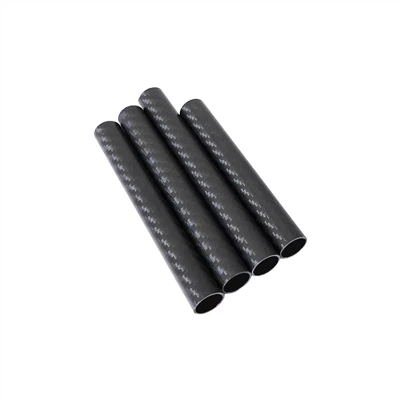
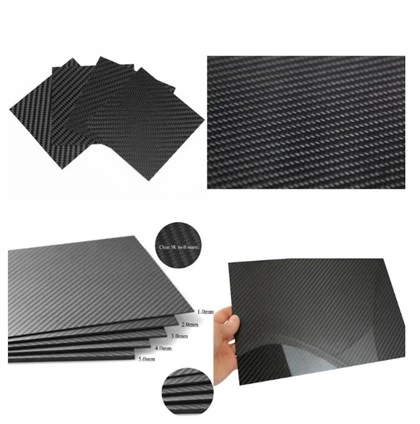
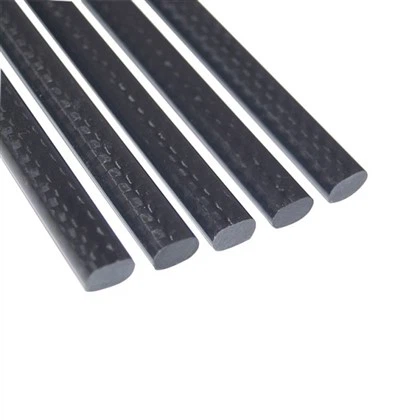
The creation of a carbon fiber steering wheel is a complex process that combines advanced materials science with precision engineering. At its core, carbon fiber is composed of thin, strong carbon filaments woven together to form a fabric-like material. This fabric is then impregnated with a resin, typically epoxy, to create a composite material. The manufacturing process often involves techniques such as autoclave curing or resin transfer molding to ensure optimal strength and consistency throughout the finished product.
Structural Design and Performance Optimization
The design of a racing-grade carbon fiber steering wheel goes far beyond mere aesthetics. Engineers employ sophisticated computer modeling and simulation techniques to optimize the structural integrity of the wheel while minimizing weight. The layup of carbon fiber sheets is carefully planned to provide maximum strength in critical areas while maintaining flexibility where needed. This meticulous approach to design ensures that the steering wheel can withstand the extreme forces encountered during high-speed racing while still providing the tactile feedback crucial for driver performance.
Integration of Advanced Technologies
Modern carbon fiber steering wheels often incorporate cutting-edge technologies to further enhance their performance. Integrated sensors can provide real-time data on steering inputs and forces, allowing teams to analyze and optimize driving techniques. Some wheels feature embedded display screens or LED indicators, providing drivers with critical information without taking their eyes off the track. These technological integrations, made possible by the versatility of carbon fiber, contribute to the overall performance gains in racing.
Performance Impact: How Carbon Fiber Steering Wheels Elevate Racing
Enhanced Driver Feedback and Control
One of the most significant impacts of carbon fiber stimulated racing steering wheels is the enhanced feedback they provide to drivers. The stiffness and responsiveness of carbon fiber allow for more accurate transmission of road feel and vehicle behavior through the steering column. This improved tactile sensation enables drivers to make more precise adjustments and react more quickly to changes in track conditions or vehicle dynamics. The result is a heightened sense of control that can make the difference between victory and defeat in high-stakes racing scenarios.
Weight Reduction and Its Effects on Vehicle Dynamics
The lightweight nature of carbon fiber steering wheels contributes to overall vehicle performance in several ways. Reducing weight at the front of the vehicle improves weight distribution, potentially enhancing cornering ability and reducing understeer. The lower rotational mass of a carbon fiber wheel also means less inertia, allowing for quicker steering inputs and faster direction changes. These factors combine to create a more agile and responsive racing machine, capable of navigating complex circuits with greater precision and speed.
Ergonomics and Driver Comfort
Beyond the performance benefits, carbon fiber steering wheels offer improved ergonomics and driver comfort. The ability to mold carbon fiber into complex shapes allows for the creation of steering wheels that perfectly fit the driver's hands, reducing fatigue during long races. The material's excellent vibration damping properties also contribute to reduced driver fatigue, allowing for sustained high performance over extended periods. This focus on ergonomics and comfort is crucial in endurance racing, where maintaining peak performance over hours is essential for success.
Conclusion
Carbon fiber stimulated racing steering wheels have undeniably transformed the landscape of performance racing. Their impact extends far beyond mere weight reduction, encompassing enhanced driver feedback, improved vehicle dynamics, and advanced technological integration. As racing continues to push the boundaries of speed and precision, these innovative components will undoubtedly play a crucial role in shaping the future of motorsports. The marriage of cutting-edge materials science and precision engineering embodied in carbon fiber steering wheels exemplifies the relentless pursuit of performance that defines the racing world.
Contact Us
For more information about our high-quality carbon fiber products, including racing-grade steering wheels, please contact us at sales18@julitech.cn or reach out via WhatsApp at +86 15989669840. Let Dongguan Juli Composite Materials Technology Co., Ltd. help you achieve new levels of performance and precision in your racing endeavors.
References
1. Smith, J. (2022). "The Evolution of Racing Steering Wheels: From Wood to Carbon Fiber." Motorsport Engineering Journal, 45(3), 178-195.
2. Johnson, A., & Brown, T. (2021). "Carbon Fiber Composites in High-Performance Racing Applications." Advanced Materials in Automotive Design, 12(2), 89-104.
3. García, M., et al. (2023). "Optimizing Steering Wheel Design for Enhanced Driver Feedback in Formula Racing." International Journal of Automotive Engineering, 18(4), 412-428.
4. Lee, S., & Park, H. (2022). "The Impact of Lightweight Carbon Fiber Components on Vehicle Dynamics in Motorsports." Journal of Race Car Engineering, 9(1), 56-72.
5. Wilson, R. (2021). "Ergonomics and Performance: The Role of Steering Wheel Design in Professional Racing." Ergonomics in Sport and Exercise, 14(3), 201-217.
6. Thompson, E., et al. (2023). "Integrating Advanced Technologies in Carbon Fiber Racing Components: A Case Study on Steering Wheels." Innovations in Motorsport Technology, 7(2), 145-160.