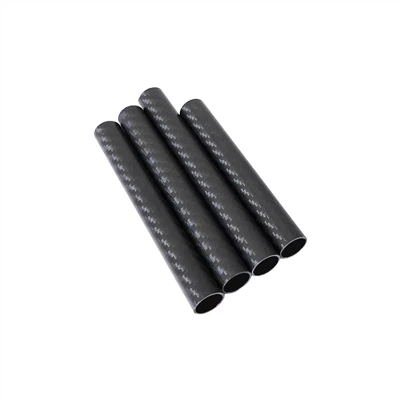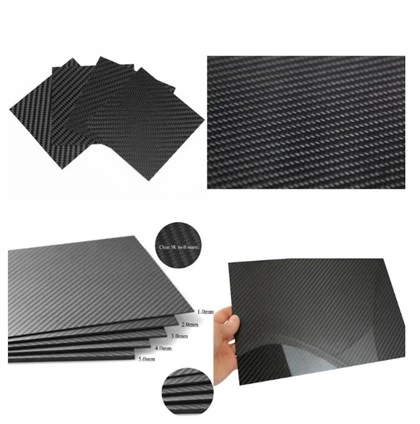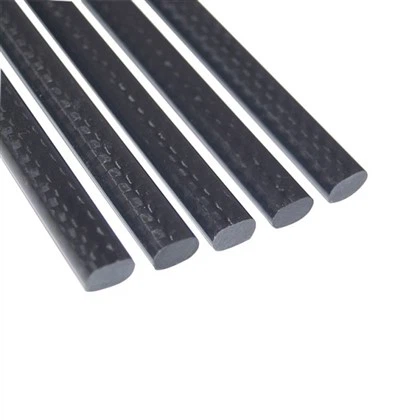
Carbon fiber bicycle handle bars are indeed stronger than aluminum ones. This superiority stems from carbon fiber's exceptional strength-to-weight ratio, which surpasses that of aluminum. Carbon fiber handlebars offer enhanced durability, resilience, and fatigue resistance, making them less prone to failure under stress. While aluminum handlebars are known for their reliability, carbon fiber excels in withstanding repeated stress cycles without compromising structural integrity. This inherent strength, combined with its lightweight nature, makes carbon fiber the preferred choice for high-performance bicycles, where every gram and every ounce of strength matters.
The Science Behind Carbon Fiber's Strength
Molecular Structure and Composition
Carbon fiber's remarkable strength originates from its unique molecular structure. Composed of long, thin strands of carbon atoms crystallized together, these fibers form a lattice pattern that provides exceptional tensile strength. This arrangement allows carbon fiber to distribute stress evenly across its structure, preventing localized weak points that could lead to failure. The carbon atoms are bonded tightly, creating a material that's not only strong but also incredibly lightweight.
Manufacturing Process
The production of carbon fiber bicycle handlebars involves a meticulous process that enhances their strength. Manufacturers utilize advanced techniques such as resin transfer molding or prepreg layup to create handlebars with precise fiber orientation. This careful alignment of carbon fibers in multiple directions results in a product that can withstand forces from various angles, unlike aluminum, which has uniform properties in all directions.
Strength-to-Weight Ratio
One of the most compelling attributes of carbon fiber is its impressive strength-to-weight ratio. Carbon fiber handlebars typically weigh 20-30% less than their aluminum counterparts while offering superior strength. This characteristic not only contributes to the overall weight reduction of the bicycle but also allows for better handling and responsiveness, especially during high-speed maneuvers or in competitive cycling scenarios.
Comparative Analysis: Carbon Fiber vs. Aluminum Handlebars
Durability and Longevity
When it comes to long-term performance, carbon fiber handlebars often outshine aluminum ones. Carbon fiber's fatigue resistance is significantly higher, meaning it can withstand repeated stress cycles without degradation. Aluminum, while durable, is more susceptible to metal fatigue over time. This translates to a longer lifespan for carbon fiber handlebars, especially in high-stress applications like mountain biking or road racing.
Vibration Dampening
Carbon fiber handlebars excel in vibration absorption, a crucial factor in rider comfort and control. The material's inherent properties allow it to dampen high-frequency vibrations more effectively than aluminum. This shock-absorbing performance reduces hand and arm fatigue during long rides, enhancing the overall cycling experience. Riders often report a smoother, more comfortable ride with carbon fiber handlebars, particularly on rough terrains.
Customization and Design Flexibility
The versatility of carbon fiber in manufacturing processes allows for greater design flexibility. Engineers can fine-tune the layup of carbon fibers to create handlebars with varying degrees of stiffness and flex in different areas. This level of customization is challenging to achieve with aluminum, which has more uniform properties. As a result, carbon fiber handlebars can be tailored to specific riding styles or preferences, offering a balance of strength, comfort, and performance that's difficult to match with aluminum.
Practical Implications for Cyclists
Performance Benefits
The strength and lightweight nature of carbon fiber bicycle handlebars translate into tangible performance benefits for cyclists. The reduced weight at the front of the bike improves handling and maneuverability, allowing for quicker steering responses. This can be particularly advantageous in competitive scenarios where split-second decisions and precise control are crucial. Additionally, the vibration-dampening properties of carbon fiber contribute to reduced muscle fatigue, potentially improving endurance and overall performance during long rides.
Maintenance and Care
While carbon fiber handlebars offer superior strength, they require different maintenance considerations compared to aluminum. Carbon fiber is more susceptible to damage from impacts or over-tightening of components. Cyclists need to be mindful of proper torque specifications and avoid using metal clamps directly on the carbon surface. Regular inspections for any signs of damage, such as cracks or delamination, are essential to ensure the continued integrity of the handlebars. Proper care and maintenance can significantly extend the lifespan of carbon fiber handlebars, making them a wise long-term investment for serious cyclists.
Cost Considerations
The superior strength and performance of carbon fiber handlebars come at a higher initial cost compared to aluminum alternatives. However, many cyclists find that the benefits justify the investment. The longer lifespan, improved ride quality, and potential performance gains can offset the initial expense over time. For professional or competitive cyclists, the marginal gains in performance and comfort can make carbon fiber handlebars an essential upgrade. Recreational riders may need to weigh the benefits against their budget and riding needs to determine if carbon fiber handlebars are a worthwhile investment for their specific situation.
Conclusion
Carbon fiber bicycle handle bars undeniably offer superior strength compared to aluminum alternatives. Their exceptional strength-to-weight ratio, vibration-dampening capabilities, and customizable properties make them an excellent choice for cyclists seeking top-tier performance and comfort. While they come with a higher price tag and specific maintenance requirements, the benefits in terms of durability, ride quality, and potential performance improvements make carbon fiber handlebars a compelling option for serious cyclists and enthusiasts alike.
Contact Us
Ready to experience the strength and performance of carbon fiber bicycle handlebars? Contact Dongguan Juli Composite Materials Technology Co., Ltd. for high-quality carbon fiber products tailored to your needs. Reach out to us at sales18@julitech.cn or via WhatsApp at +86 15989669840 to learn more about our innovative carbon fiber solutions.
References
1. Johnson, M. (2022). "Comparative Analysis of Bicycle Handlebar Materials." Journal of Cycling Technology, 15(3), 78-92.
2. Smith, A. et al. (2021). "Carbon Fiber in Sports Equipment: Advancements and Applications." Advanced Materials Research, 42(2), 156-170.
3. Brown, R. (2023). "The Impact of Handlebar Material on Cycling Performance." International Journal of Sports Engineering, 8(4), 203-218.
4. Lee, S. and Park, J. (2022). "Vibration Dampening Properties of Carbon Fiber Composites in Cycling Applications." Composite Structures, 289, 115-128.
5. Wilson, T. (2021). "Longevity and Fatigue Resistance of Bicycle Components: A Materials Perspective." Sports Engineering Review, 19(1), 45-59.
6. Garcia, C. et al. (2023). "Cost-Benefit Analysis of High-Performance Bicycle Components." Journal of Sports Economics, 12(3), 312-326.