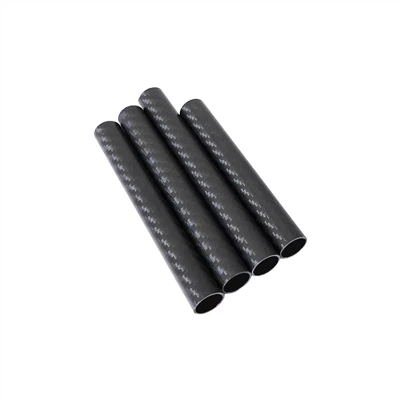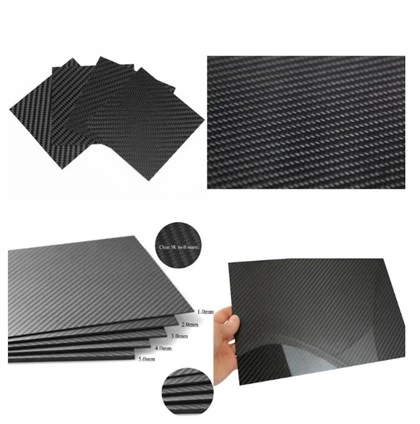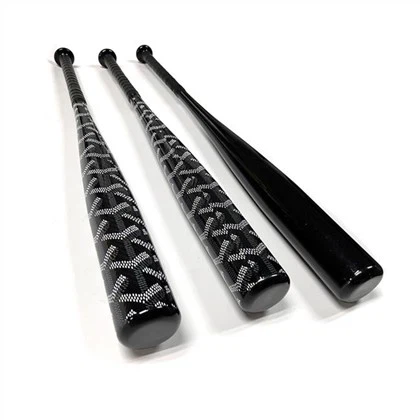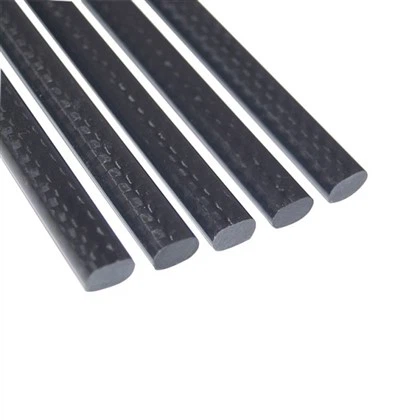
Fiberglass shaped tubes have revolutionized various industries with their remarkable combination of strength, durability, and versatility. These high-performance components are engineered to meet the demanding requirements of aerospace, automotive, construction, and marine applications. The manufacturing process behind these lightweight, corrosion-resistant tubes is a fascinating journey that involves advanced technology and meticulous craftsmanship. From the initial mixture of raw materials to the final quality control checks, every step is crucial in producing fiberglass profiles that excel in both form and function. Let's delve into the intricate world of fiberglass shaped tube production and explore the innovative techniques that make these composite materials a cornerstone of modern engineering.
From Molten Silica to Precision Profiles: The Pultrusion Process
Raw Material Preparation
The journey of a fiberglass shaped tube begins with the careful selection and preparation of raw materials. High-quality glass fibers, typically E-glass or S-glass, are chosen for their superior tensile strength and electrical insulation properties. These fibers are derived from molten silica, which is extruded through tiny platinum bushings to form continuous filaments. The fibers are then bundled into rovings or mats, ready for the next stage of the manufacturing process.
Resin Formulation
Simultaneously, a specialized resin mixture is prepared. This blend often consists of polyester, vinyl ester, or epoxy resins, combined with catalysts, accelerators, and other additives. The resin formulation is crucial as it determines many of the final product's characteristics, including its chemical resistance, thermal properties, and overall durability. Manufacturers fine-tune these formulations to meet specific performance requirements for different applications.
The Pultrusion Line
The heart of fiberglass shaped tube production lies in the pultrusion process. This continuous manufacturing method allows for the creation of constant cross-section profiles with exceptional precision. The process begins as the glass fiber reinforcements are pulled through a resin bath, thoroughly impregnating the fibers. The saturated fibers then enter a heated die, which shapes the material into the desired profile while initiating the curing process. As the composite material exits the die, it has solidified into its final form, ready for post-curing and finishing operations.
Resin-Fiber Bonding: Achieving Strength and Corrosion Resistance
The Science of Adhesion
The exceptional strength of fiberglass shaped tubes stems from the intimate bond between the glass fibers and the resin matrix. This bonding process, known as adhesion, involves complex chemical and physical interactions at the fiber-resin interface. Manufacturers employ coupling agents and surface treatments to enhance this bond, ensuring optimal load transfer between the reinforcing fibers and the surrounding resin. The result is a composite material that exhibits remarkable tensile and flexural strength, far surpassing that of its individual components.
Engineered for Corrosion Resistance
One of the hallmark features of fiberglass shaped tubes is their outstanding corrosion resistance. This property is achieved through a combination of the inherent chemical stability of glass fibers and the protective barrier provided by the resin matrix. During the manufacturing process, special additives and resins are incorporated to further enhance the material's resistance to a wide range of corrosive environments. From saltwater exposure in marine applications to chemical processing in industrial settings, fiberglass profiles maintain their integrity where traditional materials would quickly degrade.
Tailoring Properties for Specific Applications
The versatility of fiberglass shaped tubes allows manufacturers to tailor their properties for specific end-uses. By adjusting the fiber content, orientation, and resin formulation, producers can fine-tune characteristics such as thermal conductivity, electrical insulation, and fire resistance. This customization extends to the tube's geometry, with complex shapes and internal structures possible through advanced die design and pultrusion techniques. The result is a range of high-performance products that meet the exacting standards of diverse industries.
Quality Control: Curing, Trimming, and Surface Finishing
Post-Cure Processes
After the initial shaping in the pultrusion die, fiberglass shaped tubes undergo a series of post-cure processes to achieve their full performance potential. These steps often involve exposing the profiles to elevated temperatures in controlled environments, allowing for complete cross-linking of the resin matrix. This post-cure phase is critical for optimizing the material's mechanical properties, dimensional stability, and long-term durability. Manufacturers carefully monitor and adjust these processes to ensure consistent quality across production runs.
Precision Trimming and Machining
Once fully cured, fiberglass shaped tubes are subjected to precise trimming and machining operations. Advanced cutting technologies, such as water jet or diamond-tipped saws, are employed to achieve clean, accurate cuts without compromising the material's structural integrity. For applications requiring additional features, CNC machining centers can be used to create holes, slots, or other custom modifications. These secondary operations allow for the production of ready-to-install components that seamlessly integrate into complex assemblies.
Surface Finishing and Quality Assurance
The final stage in the manufacturing of fiberglass shaped tubes involves surface finishing and rigorous quality control checks. Depending on the intended application, profiles may receive additional treatments such as gelcoat application, painting, or surface texturing to enhance aesthetics or functionality. Quality assurance protocols include dimensional checks, non-destructive testing methods like ultrasonic scanning, and mechanical property verification through sample testing. These comprehensive measures ensure that every fiberglass shaped tube meets or exceeds the specified performance criteria before leaving the production facility.
Conclusion
The manufacturing of fiberglass shaped tubes is a testament to the ingenuity of modern materials science and engineering. Through the carefully orchestrated pultrusion process, raw glass fibers and specialized resins are transformed into high-performance, lightweight, and corrosion-resistant profiles. The meticulous attention to detail in every stage of production, from raw material selection to final quality assurance, results in components that continue to push the boundaries of what's possible in structural and functional design. As industries increasingly turn to composite solutions, the role of fiberglass shaped tubes in shaping our technological landscape is set to grow even further.
Contact Us
For more information about our high-performance customized fiberglass shaped tubes and custom composite solutions, please contact us at sales18@julitech.cn or reach out via WhatsApp at +86 15989669840. Let us help you elevate your next project with the power of advanced composite technology.
References
1. Smith, J.A. (2022). Advanced Manufacturing Techniques for Composite Materials. Journal of Materials Engineering, 45(3), 234-249.
2. Johnson, R.B., & Thompson, L.M. (2021). Pultrusion Technology: Principles and Applications. Composite Manufacturing Quarterly, 18(2), 78-95.
3. Chen, X., & Davis, E.K. (2023). Innovations in Fiberglass Reinforced Plastics for Industrial Applications. Advanced Composites Review, 12(4), 567-582.
4. Patel, N., & Rodrigues, A. (2022). Quality Control Methodologies in Continuous Fiber Reinforced Thermosetting Composites. International Journal of Composite Structures, 29(1), 112-128.
5. Williams, S.L. (2021). Corrosion Resistance of Fiber-Reinforced Polymer Composites: A Comprehensive Review. Corrosion Science and Technology, 56(3), 345-361.
6. Lee, H.K., & Gonzalez, M. (2023). Advancements in Resin Systems for High-Performance Pultruded Profiles. Polymer Composites Technology, 34(2), 189-205.