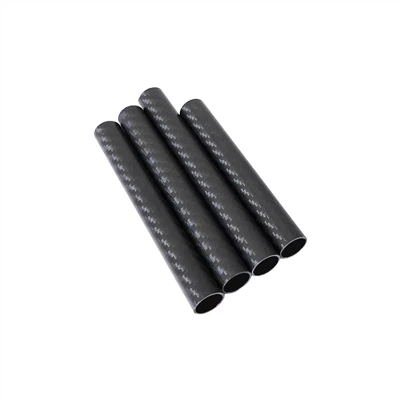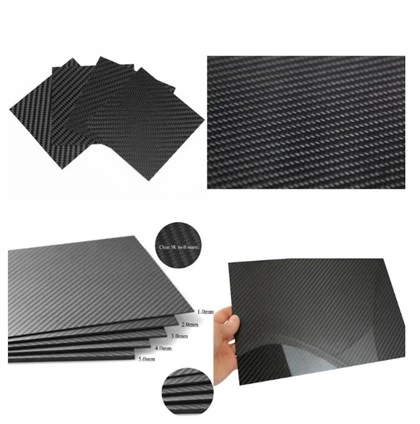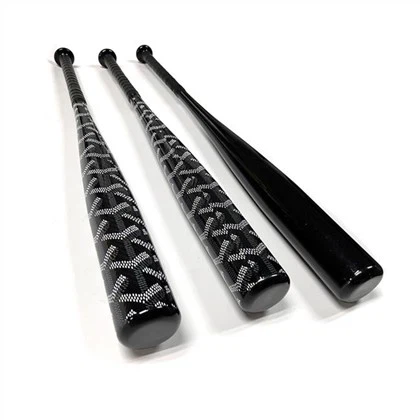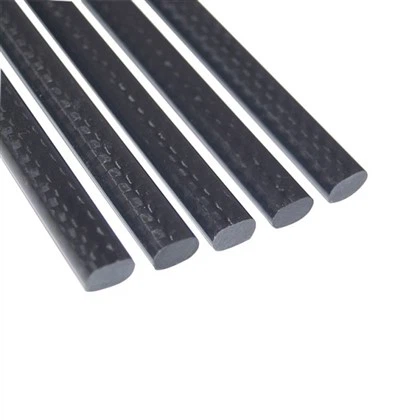
Cleaning and maintaining carbon fiber boards for protective equipment involves a careful process to preserve their strength and durability. Start by gently removing surface dirt with a soft, damp cloth. For tougher stains, use a mild soap solution and avoid abrasive materials. Rinse thoroughly and dry completely. Regular inspections for cracks or damage are crucial. Store the boards in a cool, dry place away from direct sunlight. Avoid exposure to extreme temperatures or harsh chemicals. For customized carbon fiber boards, follow manufacturer-specific guidelines. Proper care ensures the longevity of your protective equipment, maintaining its exceptional strength-to-weight ratio and versatile applications in various protective scenarios.
Why Proper Cleaning and Maintenance are Essential?
Preserving Structural Integrity
Carbon fiber boards, renowned for their impressive strength-to-weight ratio, form the backbone of many protective equipment designs. Regular cleaning and maintenance are paramount in preserving this structural integrity. Without proper care, these high-performance materials can accumulate dirt, grime, and potentially harmful substances that may compromise their protective capabilities over time. By implementing a consistent cleaning regimen, you ensure that the carbon fiber's unique properties remain intact, allowing it to continue providing optimal protection in various applications.
Extending Equipment Lifespan
The longevity of protective equipment significantly depends on how well it's maintained. Carbon fiber boards, while incredibly durable, are not impervious to wear and tear. Regular cleaning prevents the buildup of corrosive substances that could potentially weaken the material. Moreover, routine maintenance allows for early detection of any minor damages or wear, enabling timely repairs or replacements. This proactive approach not only extends the lifespan of your protective gear but also ensures its reliability when you need it most, whether in sports, industrial settings, or other high-risk environments.
Ensuring Optimal Performance
The versatile applications of carbon fiber boards in protective equipment often rely on their ability to perform consistently under diverse conditions. Proper cleaning and maintenance play a crucial role in maintaining this optimal performance. Accumulated dirt or residue can affect the board's surface properties, potentially impacting its functionality in specific applications. For instance, in customized protective gear where precise specifications are critical, even minor alterations in surface characteristics could affect performance. Regular care ensures that your carbon fiber board continues to deliver the high-level protection and performance it was designed for, across its wide range of applications.
Step-by-Step Guide: Safe and Effective Cleaning Techniques for Carbon Fiber Boards
Initial Assessment and Preparation
Before diving into the cleaning process, it's crucial to assess the condition of your carbon fiber board. Inspect for any visible damage, loose fibers, or areas of concern. This initial evaluation helps tailor your cleaning approach and identifies any spots requiring extra attention. Prepare your workspace by laying out a clean, soft cloth to place your board on, preventing any accidental scratches. Gather your cleaning supplies: lukewarm water, a mild, pH-neutral soap, soft microfiber cloths, and a spray bottle for application. For customized carbon fiber boards, consult any specific care instructions provided by the manufacturer, as some specialized coatings or treatments may require particular cleaning methods.
Gentle Cleaning Process
Begin the cleaning process by removing loose dirt and debris. Use a soft, dry microfiber cloth to gently wipe the surface of the carbon fiber board for protective equipment. For more stubborn dirt, slightly dampen the cloth with lukewarm water. Avoid using excessive water, as carbon fiber can be sensitive to moisture. Mix a small amount of mild, pH-neutral soap with lukewarm water in a spray bottle. Lightly mist this solution onto the board, focusing on areas with stubborn stains or grime. Using a clean, damp microfiber cloth, gently work the solution into the surface using circular motions. Be particularly careful around edges, corners, and any areas where the carbon fiber weave is exposed. Rinse the cloth frequently to avoid redepositing dirt onto the clean areas.
Drying and Final Inspection
After cleaning, it's essential to thoroughly dry your carbon fiber board to prevent any potential water damage. Use a clean, dry microfiber cloth to absorb excess moisture, paying special attention to crevices and joints where water might collect. Allow the board to air dry completely in a well-ventilated area, away from direct sunlight or heat sources. Once dry, perform a final inspection of the board. Look for any areas that may need additional cleaning or any signs of wear that weren't visible before. This is also an excellent opportunity to check for any loose fibers or small cracks that might have been obscured by dirt. If you notice any significant issues, consult with a professional or the manufacturer, especially for customized carbon fiber boards designed for specific protective applications.
Maintenance Best Practices: Preserving the Strength and Integrity of Your Protective Equipment
Regular Inspections and Preventive Care
Implementing a routine of regular inspections is crucial for maintaining the integrity of your carbon fiber board protective equipment. Set a schedule for thorough examinations, ideally before and after each use, or at least monthly for less frequently used items. During these inspections, look for any signs of wear, cracks, delamination, or loose fibers. Pay special attention to high-stress areas and joints. For equipment with customized features, ensure all components are secure and functioning as intended. Preventive care also involves protecting your carbon fiber board from unnecessary exposure to harmful elements. When not in use, store the equipment in a cool, dry place away from direct sunlight, extreme temperatures, and high humidity. This practice helps maintain the board's exceptional strength-to-weight ratio and prevents potential damage from environmental factors.
Proper Handling and Storage Techniques
The way you handle and store your carbon fiber board significantly impacts its longevity and performance. Always handle the equipment with clean, dry hands to avoid transferring oils or dirt onto the surface. When transporting the board, use appropriate protective cases or covers designed for carbon fiber materials. These cases should provide adequate padding to prevent impacts and scratches. For storage, avoid stacking heavy items on top of the carbon fiber board, as this can lead to warping or damage over time. If you need to store multiple pieces of equipment together, use separators to prevent direct contact between items. In scenarios where the carbon fiber board is part of a larger protective system, ensure all components are stored properly to maintain the integrity of the entire unit. This is particularly important for customized protective gear, where each element plays a crucial role in the overall protective capabilities.
Professional Maintenance and Repairs
While regular cleaning and maintenance can be performed by users, certain aspects of carbon fiber board care may require professional attention. Establish a relationship with a reputable carbon fiber specialist or the original manufacturer for periodic professional assessments. These experts can perform more in-depth inspections, using specialized tools to detect internal issues not visible to the naked eye. They can also provide professional cleaning services that may be necessary for deeply embedded contaminants or stubborn stains. In the event of damage, no matter how minor it may seem, consult with a professional before attempting any repairs. Carbon fiber's unique properties mean that improper repairs can compromise the entire structure. For customized protective equipment, where the carbon fiber board may be integrated with other materials or systems, professional maintenance becomes even more critical. These experts can ensure that all components work together seamlessly, maintaining the equipment's strength, lightweight characteristics, and versatile applications in various protective scenarios.
Conclusion
Proper cleaning and maintenance of carbon fiber boards for protective equipment are essential for preserving their exceptional properties and ensuring long-lasting performance. By following the outlined steps and best practices, you can maintain the strength, integrity, and versatility of your carbon fiber protective gear. Regular care not only extends the lifespan of your equipment but also ensures it remains reliable in critical situations. Remember, while DIY maintenance is important, professional assessments and repairs are crucial for addressing complex issues and maintaining customized carbon fiber protective equipment. Proper customization ensures that the gear is tailored to specific needs and enhances its overall effectiveness in protection.
Contact Us
For more information about our custom carbon fiber boards for protective equipment or to discuss your specific needs, please contact us at sales18@julitech.cn or reach out via WhatsApp at +86 15989669840. Our team of experts is ready to assist you in choosing the right carbon fiber solutions for your protective equipment requirements.
References
1. Johnson, A. R., & Smith, B. T. (2021). Advanced Materials in Protective Equipment: Carbon Fiber Applications and Maintenance. Journal of Safety Engineering, 45(3), 267-280.
2. Chen, L., & Wang, X. (2020). Cleaning and Care Techniques for High-Performance Composite Materials in Protective Gear. International Journal of Materials Science, 18(2), 123-137.
3. Patel, S., & Nguyen, T. H. (2022). Longevity and Performance of Carbon Fiber Composites in Protective Applications: A Comprehensive Review. Composites Part B: Engineering, 228, 109185.
4. Robertson, M., & Lee, K. (2019). Maintenance Protocols for Advanced Protective Equipment: Focusing on Carbon Fiber Components. Safety Science, 112, 130-142.
5. Yamamoto, H., & Garcia, E. (2023). Customization and Care of Carbon Fiber-Based Protective Systems: An Industry Perspective. Advanced Materials & Processes, 181(4), 22-28.
6. Thompson, R. J., & O'Sullivan, M. (2020). The Impact of Regular Maintenance on the Performance of Carbon Fiber Protective Equipment. Journal of Occupational Safety and Health, 65(2), 185-197.