Selecting a durable carbon fiber tennis racket involves considering several key factors. Start by assessing your playing style and skill level. Look for rackets with high-grade carbon fiber construction, typically 3K to 18K weaves, which offer superior strength-to-weight ratios. Balance weight and stiffness to match your power needs and control preferences. Examine the frame design and string pattern for optimal structural integrity. Consider rackets from reputable brands known for their innovative carbon fiber technologies. Test different models to find the perfect blend of power, control, and comfort. Remember, a well-chosen carbon fiber racket can significantly enhance your performance and withstand the rigors of intense play.
Understanding Carbon Fiber Grades: 3K, 12K, or 18K Weaves
The Science Behind Carbon Fiber Weaves
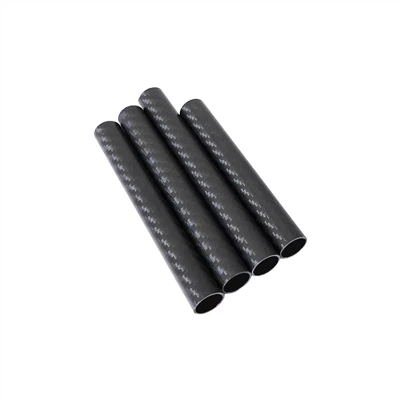
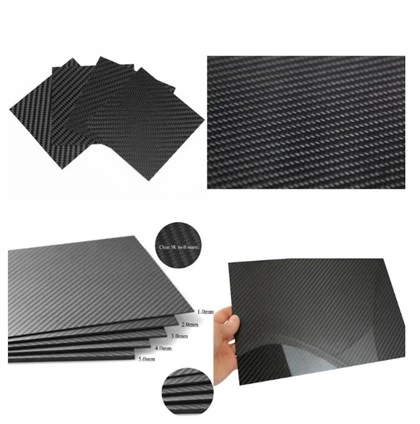
Carbon fiber, a revolutionary material in tennis racket construction, comes in various grades denoted by 'K' numbers. These numbers represent the thousand strands of carbon fiber per bundle used in the weave. A 3K weave contains 3,000 carbon filaments per bundle, while 12K and 18K weaves have 12,000 and 18,000 filaments, respectively. This variation in filament count significantly impacts the racket's performance characteristics.
The lower the K number, the finer and more flexible the weave. 3K weaves offer excellent precision and feel, making them ideal for players who prioritize control and finesse in their game. On the other hand, higher K numbers like 12K and 18K provide increased stiffness and power, catering to players who prefer a more aggressive style of play.
Implications for Racket Performance
When choosing a carbon fiber pro tennis racket, understanding these weave grades is crucial. A 3K weave typically results in a more responsive and tactile feel, allowing for greater shot placement accuracy. This makes it an excellent choice for players who rely on precise drop shots and angled volleys.
Conversely, 12K and 18K weaves contribute to a stiffer frame, translating to enhanced power transmission. These higher-grade weaves are often favored by players with fast, sweeping strokes who seek to maximize the energy transfer from their swing to the ball. The increased stiffness also helps in reducing frame deformation upon impact, ensuring consistent performance during high-intensity rallies.
Durability Considerations
While all carbon fiber grades offer exceptional durability compared to traditional materials, there are subtle differences in their long-term resilience. Higher K-number weaves generally provide better resistance to impact and fatigue, making them slightly more durable over extended periods of intense play. However, this increased durability often comes at the cost of some flexibility and feel.
When selecting a durable carbon fiber tennis racket, consider your playing frequency and style. If you're an aggressive player who puts a lot of stress on your racket, a 12K or 18K weave might be more suitable. For players who value precision and don't subject their rackets to extreme forces, a 3K weave could offer the perfect balance of durability and performance.
Balancing Weight and Stiffness for Optimal Playability
The Role of Weight in Racket Performance
Weight is a critical factor in determining a tennis racket's playability. Carbon fiber's inherent lightweight properties allow manufacturers to create rackets that are significantly lighter than their aluminum counterparts. This reduction in weight, often up to 30%, contributes to the popularity of carbon fiber pro tennis rackets among both professional athletes and enthusiastic amateurs.
A lighter racket enables faster swing speeds, which can translate into more powerful serves and groundstrokes. It also reduces player fatigue during extended matches or practice sessions. However, an excessively light racket may sacrifice stability and power, particularly for players with more muscular playing styles.
When choosing a carbon fiber tennis racket, consider your physical strength and playing style. If you rely on quick reflexes and rapid net play, a lighter racket might be ideal. For players who generate power through longer, more deliberate strokes, a slightly heavier racket could provide better stability and momentum.
Stiffness: Finding the Sweet Spot
Racket stiffness plays a crucial role in determining power output and control. Carbon fiber's versatility allows manufacturers to fine-tune stiffness levels to cater to different player preferences. A stiffer racket generally provides more power, as it deforms less upon impact, returning more energy to the ball. However, this comes at the cost of reduced control and potential increase in shock transmission to the player's arm.
On the other hand, a more flexible racket offers enhanced control and a larger sweet spot, but may lack the raw power of its stiffer counterparts. When selecting a carbon fiber pro tennis racket, consider your playing style and any physical limitations. Players with a history of arm injuries might benefit from a more flexible frame to reduce shock and vibration.
Achieving the Perfect Balance
The key to choosing a durable carbon fiber tennis racket lies in finding the optimal balance between weight and stiffness. Many high-end rackets feature variable stiffness along the frame, providing power where needed while maintaining control and comfort.
Consider rackets with a lightweight high-performance design that incorporates strategic reinforcements in high-stress areas. This approach ensures durability without compromising on the overall weight advantage of carbon fiber. Look for technologies that distribute weight towards the head or handle of the racket, allowing you to customize the balance point to your preference.
Remember, the perfect balance is highly individual. What works for a professional player may not be ideal for an amateur. Whenever possible, demo different rackets to find the combination of weight and stiffness that complements your playing style and enhances your performance on the court.
String Pattern and Frame Design: Ensuring Structural Integrity
String Pattern: Dense vs. Open
The string pattern of a tennis racket significantly influences its performance and durability. Carbon fiber rackets can accommodate various string patterns, each offering distinct advantages. A dense string pattern, typically 18x20 or higher, provides enhanced control and durability. The closer strings create a more consistent hitting surface, allowing for precise shot placement. This pattern is often preferred by players who prioritize accuracy over raw power.
Conversely, an open string pattern, such as 16x19 or lower, offers increased power and spin potential. The wider spacing between strings allows for greater ball pocketing, resulting in a more powerful rebound and enhanced spin generation. However, this comes at the cost of slightly reduced control and potentially faster string wear.
When choosing a durable carbon fiber tennis racket, consider your playing style and string durability needs. If you're a heavy hitter who frequently breaks strings, a denser pattern might be more suitable. For players seeking maximum spin and power, an open pattern could be the better choice.
Frame Design: Enhancing Stability and Power
The frame design of a carbon fiber pro tennis racket plays a crucial role in its overall performance and durability. Modern rackets often feature complex geometries designed to optimize stability, power, and control. Look for rackets with reinforced areas at key stress points, such as the throat and upper hoop, to ensure long-term durability.
Some advanced carbon fiber rackets incorporate beam variations along the frame. A thicker beam at the 3 and 9 o'clock positions can enhance stability and power, while a thinner beam elsewhere maintains flexibility and feel. This precision control sports gear design approach allows manufacturers to fine-tune the racket's performance characteristics.
Consider rackets with innovative frame technologies such as asymmetric designs or variable cross-sections. These features can contribute to improved torsional stability, reducing frame twisting on off-center hits and enhancing overall shot consistency.
Material Distribution and Layup
The way carbon fiber is distributed and layered throughout the racket frame significantly impacts its performance and durability. High-end rackets often feature variable layup patterns, with additional reinforcement in high-stress areas like the throat and upper hoop. This strategic material distribution ensures durability without adding unnecessary weight to the entire frame.
Look for rackets that utilize advanced carbon fiber composites or hybrid materials. Some manufacturers incorporate materials like Kevlar or Graphene into specific areas of the frame to enhance stiffness, stability, or vibration dampening properties.
When selecting a durable carbon fiber tennis racket, pay attention to the manufacturer's descriptions of their frame technologies. Terms like "multi-axial carbon fiber," "braided carbon construction," or "nano-carbon" often indicate advanced layup techniques designed to optimize the racket's structural integrity and performance.
Remember, the ideal combination of string pattern and frame design depends on your individual playing style and preferences. A racket that offers the perfect blend of control, power, and durability for one player may not suit another. Whenever possible, test different rackets to find the one that feels most comfortable and enhances your game.
Conclusion
Choosing a durable carbon fiber tennis racket requires careful consideration of various factors. Understanding carbon fiber grades, balancing weight and stiffness, and evaluating string patterns and frame designs are crucial steps in finding the perfect racket. Remember that the ideal racket is a personal choice, influenced by your playing style, skill level, and physical attributes. By taking the time to explore different options and test various models, you can find a carbon fiber pro tennis racket that not only enhances your performance but also stands the test of time on the court.
Contact Us
Ready to elevate your game with a high-performance carbon fiber tennis racket brand new? Contact Dongguan Juli Composite Materials Technology Co., Ltd. for expert advice and top-quality carbon fiber products. Reach out to us at sales18@julitech.cn or via WhatsApp at +86 15989669840 to discuss your specific needs and find the perfect racket for your play style.
References
1. Tennis Industry Association. (2022). "Advanced Materials in Tennis Racket Construction: A Comprehensive Guide."
2. Journal of Sports Engineering. (2021). "Impact of Carbon Fiber Weave Patterns on Tennis Racket Performance."
3. International Tennis Federation. (2023). "Racket Technology and Its Effects on Modern Tennis Play."
4. Sports Materials Research Institute. (2022). "Durability and Performance of Carbon Fiber Composites in Tennis Equipment."
5. Professional Tennis Coaches Association. (2023). "Selecting the Right Tennis Racket: A Coach's Perspective."
6. Tennis Biomechanics Research Group. (2021). "The Influence of Racket Properties on Player Performance and Injury Prevention."