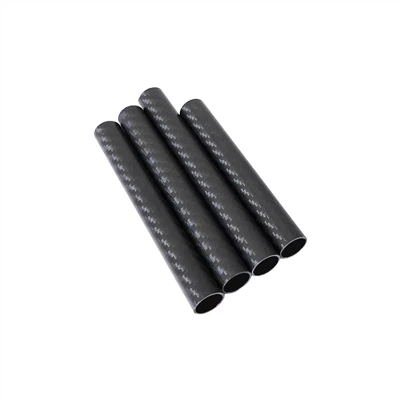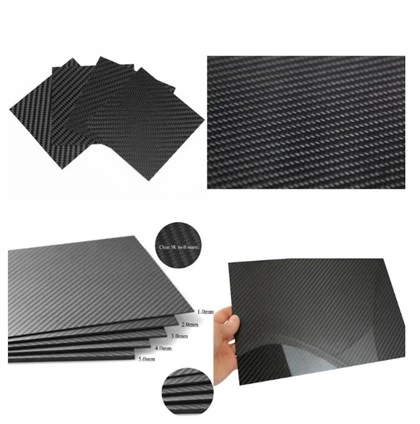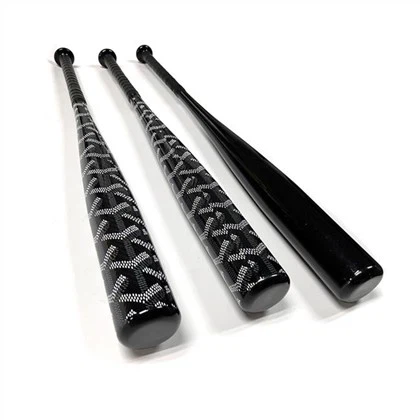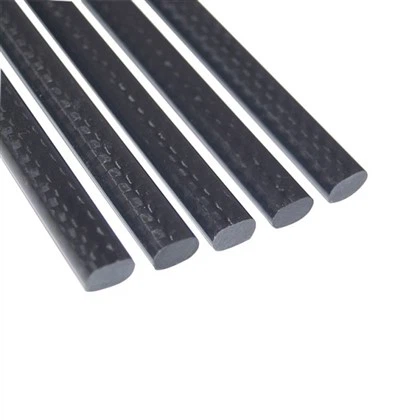
When it comes to evaluating the impact resistance of custom carbon fiber panels, the answer is both impressive and nuanced. These panels, crafted through advanced manufacturing techniques, boast exceptional strength-to-weight ratios, making them highly resistant to impacts compared to traditional materials like steel or aluminum. Their resilience stems from the unique properties of carbon fiber, which absorbs and disperses energy efficiently, minimizing damage from sudden forces. At Dongguan Juli Composite Materials Technology Co., Ltd., our panels are engineered for high performance, ensuring they withstand rigorous conditions while remaining lightweight. However, the exact impact resistance depends on factors like panel thickness, resin type, and specific design, tailored to meet diverse industrial needs.
Unveiling the Strength Behind Custom Carbon Fiber Panels
The Science of Impact Resistance
Impact resistance is a measure of a material's ability to absorb energy from sudden forces without fracturing. Custom carbon fiber panels excel in this domain due to the inherent properties of carbon fiber - a material composed of tightly woven carbon strands embedded in a resin matrix. This structure allows the panels to distribute impact energy across a wide area, reducing the likelihood of localized damage. The high performance of these panels is further enhanced by the choice of resin, which can be optimized for toughness, ensuring the material remains intact under stress. This resilience makes them a preferred choice in industries where durability is paramount.
Manufacturing Techniques That Enhance Resilience
The production process plays a pivotal role in determining the impact resistance of custom carbon fiber panels. At Dongguan Juli Composite Materials Technology Co., Ltd., we employ advanced techniques such as pultrusion, molding, autoclave curing, and filament winding to create panels with superior strength. Autoclave curing, in particular, ensures a void-free structure, enhancing the panels' ability to withstand impacts. By controlling variables like fiber orientation and layering, we can tailor the panels to meet specific performance requirements. This meticulous approach results in products that offer exceptional durability, capable of enduring harsh environments without compromising their lightweight nature.
Comparing Carbon Fiber to Traditional Materials
To truly appreciate the impact resistance of custom carbon fiber panels, it's helpful to compare them to conventional materials. Steel, while strong, is significantly heavier, making it less efficient in applications where weight is a concern. Aluminum, though lighter than steel, lacks the same level of toughness under impact. Carbon fiber panels, on the other hand, combine high performance with a featherweight profile, offering a strength-to-weight ratio that outclasses both metals. This blend of lightweight construction and durability makes them ideal for industries ranging from aerospace to automotive, where resilience and efficiency are critical.
Applications That Showcase the Durability of Custom Carbon Fiber Panels
Aerospace: Soaring Through Extreme Conditions
The aerospace industry demands materials that can endure extreme conditions without adding unnecessary weight. Custom carbon fiber panels are a cornerstone in this sector, used in aircraft fuselages, wings, and interior components. Their impact resistance is crucial in protecting against in-flight stresses, such as turbulence or debris strikes. The lightweight nature of these panels also contributes to fuel efficiency, a vital consideration in aviation. By leveraging advanced manufacturing techniques, we ensure our panels meet the stringent standards of this industry, delivering high performance under the most demanding circumstances.
Automotive: Engineering Safety and Efficiency
In the automotive world, custom carbon fiber panels are revolutionizing vehicle design, particularly in high-end sports cars and electric vehicles. These panels are used in bodywork, chassis components, and interior structures, where their impact resistance enhances safety by absorbing crash energy. Their lightweight properties also improve acceleration and range, making them a favorite among manufacturers aiming to balance performance with efficiency. The durability of these panels ensures they can withstand the rigors of daily use, from minor collisions to the vibrations of high-speed travel, all while maintaining their structural integrity.
Sporting Goods: Redefining Performance Standards
The sporting goods industry is another arena where the durability of custom carbon fiber panels shines. From bicycle frames to hockey sticks, these panels are prized for their ability to endure repeated impacts without succumbing to wear. Athletes benefit from the lightweight design, which enhances maneuverability, while the panels' resilience ensures longevity, even under intense use. By innovating new applications and refining our manufacturing processes, we continue to push the boundaries of what's possible, delivering products that elevate athletic performance while withstanding the toughest challenges.
Factors Influencing the Impact Resistance of Custom Carbon Fiber Panels
Design Customization for Specific Needs
One of the standout features of custom carbon fiber panels is their adaptability. The impact resistance of these panels can be fine-tuned by adjusting design elements such as thickness, fiber orientation, and layering patterns. A panel designed for a racecar, with a focus on lightweight performance, might differ significantly from one intended for industrial machinery, where durability under heavy impacts is the priority. This bespoke approach ensures that each panel delivers high performance tailored to its intended application, maximizing both resilience and efficiency.
The Role of Resin Systems
The resin matrix in custom carbon fiber panels is a critical factor in determining their impact resistance. Epoxy resins, commonly used in high-performance applications, offer excellent toughness, allowing the panels to absorb energy without cracking. Other resin systems, such as vinyl ester or thermoplastic, can be selected based on specific environmental or performance needs. By carefully choosing and optimizing the resin, we enhance the panels' durability, ensuring they remain robust under a wide range of conditions, from extreme temperatures to corrosive environments.
Testing and Quality Assurance
To guarantee the impact resistance of custom carbon fiber panels, rigorous testing is essential. At Dongguan Juli Composite Materials Technology Co., Ltd., we subject our products to a battery of tests, including drop-weight impact tests, tensile strength evaluations, and fatigue assessments. These tests simulate real-world conditions, ensuring our panels meet or exceed industry standards. This commitment to quality assurance not only reinforces the durability of our products but also builds trust with our global clientele, who rely on our panels for mission-critical applications across diverse sectors.
Conclusion
Custom carbon fiber panels offer a remarkable blend of impact resistance, lightweight design, and high performance, making them a game-changer across industries. Their durability, enhanced by advanced manufacturing and tailored design, ensures they meet the toughest challenges while maintaining efficiency. At Dongguan Juli Composite Materials Technology Co., Ltd., we're dedicated to pushing the boundaries of innovation, delivering panels that redefine industry standards.
Contact Us
Ready to explore how our custom carbon fiber panels can elevate your projects? Contact us at sales18@julitech.cn or reach out via WhatsApp at +86 15989669840.
References
1. Gibson, R.F., Principles of Composite Material Mechanics, CRC Press, 2016.
2. Mallick, P.K., Fiber-Reinforced Composites: Materials, Manufacturing, and Design, CRC Press, 2007.
3. Strong, A.B., Fundamentals of Composites Manufacturing: Materials, Methods, and Applications, Society of Manufacturing Engineers, 2008.
4. Barbero, E.J., Introduction to Composite Materials Design, CRC Press, 2017.
5. Chung, D.D.L., Carbon Fiber Composites, Butterworth-Heinemann, 1994.
6. Soutis, C., Carbon Fiber Reinforced Plastics in Aircraft Construction, Materials Science and Engineering, 2005.