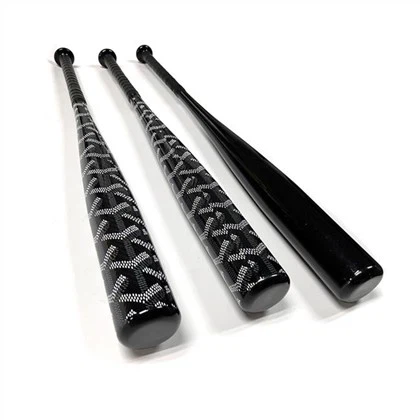
Carbon fiber composite baseball bats have revolutionized the game, offering unparalleled performance and durability. These high-tech materials combine lightweight properties with exceptional strength, resulting in a bat that delivers enhanced power and speed. Carbon fiber composites allow for precise engineering of flex points and weight distribution, optimizing energy transfer from the player to the ball. This translates to increased bat speed, larger sweet spots, and potentially greater distances on well-hit balls. Additionally, the vibration-dampening properties of carbon fiber reduce sting on mishits, providing a more comfortable experience for batters. As baseball continues to evolve, carbon fiber composite bats have become a game-changer, offering players a competitive edge through advanced materials science and innovative design.
The Science Behind Carbon Fiber Composite Baseball Bats
Material Composition and Properties
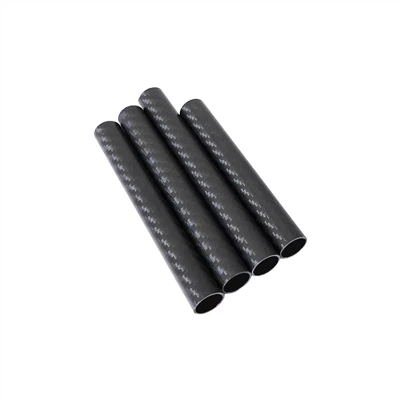
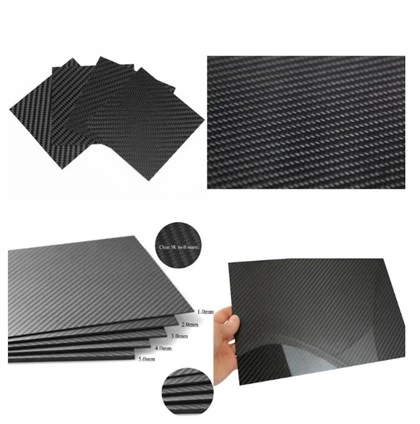
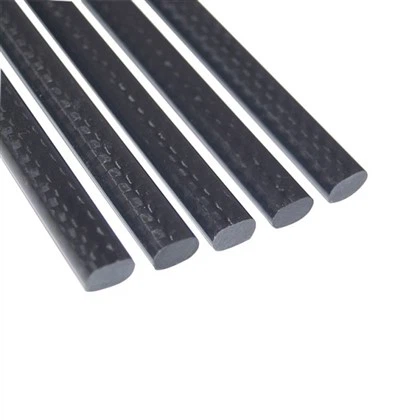
Carbon fiber composite baseball bats are a marvel of modern materials engineering. The primary component, carbon fiber, consists of thin, strong crystalline filaments of carbon atoms. These fibers are woven into a fabric-like material and then combined with a polymer resin to create a composite. This unique combination results in a material that boasts an impressive strength-to-weight ratio, surpassing that of traditional materials like aluminum or wood.
The properties of carbon fiber composites make them ideal for baseball bat construction. They exhibit high tensile strength, low thermal expansion, and excellent fatigue resistance. These characteristics allow bat manufacturers to create products that are not only lightweight but also incredibly durable and responsive. The stiffness of carbon fiber can be tailored during the manufacturing process, enabling designers to fine-tune the bat's performance characteristics.
Manufacturing Techniques
The production of carbon fiber composite baseball bats involves sophisticated manufacturing techniques. One common method is resin transfer molding (RTM), where dry carbon fiber fabric is placed in a mold, and liquid resin is injected under pressure. Another technique is prepreg layup, which uses pre-impregnated carbon fiber sheets that are carefully arranged in layers and then cured in an autoclave.
Advanced computer-aided design (CAD) and finite element analysis (FEA) are employed to optimize the bat's structure. This allows manufacturers to strategically place different types of carbon fiber in various orientations throughout the bat, creating zones with specific performance attributes. The result is a meticulously engineered product that maximizes energy transfer and minimizes vibration.
Performance Enhancing Features
Carbon fiber composites enable the incorporation of several performance-enhancing features in baseball bats. One such feature is variable wall thickness, where certain areas of the bat are made thinner or thicker to optimize weight distribution and create a larger sweet spot. Another innovation is the use of internal dampening systems, which can be seamlessly integrated into the carbon fiber structure to reduce vibration and improve feel.
Some manufacturers utilize nanotechnology to further enhance the properties of carbon fiber composites. By incorporating carbon nanotubes or graphene into the resin matrix, they can create bats with even greater strength and resilience. These cutting-edge materials push the boundaries of what's possible in bat performance, offering players unprecedented power and control at the plate.
Performance Advantages of Carbon Fiber Composite Bats
Increased Bat Speed and Power
One of the most significant advantages of carbon fiber composite baseball bats is their ability to generate increased bat speed. The lightweight nature of carbon fiber allows players to swing the bat faster, which directly translates to more power at impact. This speed increase is particularly noticeable in the crucial last few inches of the swing, where even a slight boost can make a substantial difference in ball exit velocity.
The stiffness of carbon fiber also plays a crucial role in power generation. Unlike aluminum bats that can flex and absorb energy upon impact, carbon fiber composites maintain their rigidity. This means more of the kinetic energy from the swing is transferred directly to the ball, resulting in harder hits and potentially longer distances. Players often report a noticeable difference in the "pop" of the bat, describing a more explosive feel at contact.
Expanded Sweet Spot
Carbon fiber composite baseball bats are engineered to have larger sweet spots compared to traditional materials. The sweet spot is the optimal hitting area on the bat that produces the best results in terms of ball speed and distance. Through strategic design and material placement, manufacturers can create bats with more forgiving hitting surfaces.
This expanded sweet spot is achieved through a combination of factors. The uniform stiffness of carbon fiber across the barrel helps maintain consistent performance over a larger area. Additionally, the ability to fine-tune weight distribution allows for the creation of balanced bats that are easier to control through the hitting zone. For players, this means more solid contact and fewer mishits, potentially improving overall batting performance.
Vibration Dampening and Comfort
Another notable advantage of carbon fiber composite bats is their superior vibration dampening properties. When a baseball makes contact with the bat, it creates vibrations that travel through the material. In metal bats, these vibrations can lead to uncomfortable stinging sensations, especially on mishits or in cold weather.
Carbon fiber composites excel at absorbing and dissipating these vibrations. The complex structure of the material helps break up vibration waves, reducing their intensity before they reach the player's hands. This results in a more comfortable hitting experience, allowing players to maintain confidence at the plate even when they don't make perfect contact. Some advanced composite bats incorporate additional dampening technologies, further enhancing this effect and providing an ultra-smooth feel on contact.
Comparing Carbon Fiber Composite Bats to Traditional Materials
Carbon Fiber vs. Aluminum
When comparing carbon fiber composite bats to aluminum bats, several key differences emerge. Aluminum bats have long been popular for their durability and consistent performance across a wide temperature range. However, carbon fiber composites offer distinct advantages in terms of weight and customization potential.
Carbon fiber bats typically weigh less than their aluminum counterparts, allowing for faster swing speeds. They also provide manufacturers with greater flexibility in design, enabling the creation of bats with varying flex points and weight distributions that are difficult to achieve with aluminum. While aluminum bats may have a longer lifespan in terms of pure durability, carbon fiber composites often maintain their performance characteristics more consistently over time.
Carbon Fiber vs. Wood
The comparison between carbon fiber composite baseball bat and wood bats is particularly interesting, given that wood remains the standard in professional baseball. Wood bats offer a traditional feel and a direct connection to the game's history. They also provide instant feedback on the quality of contact, which many players appreciate.
Carbon fiber composites, however, surpass wood in terms of durability and consistency. While wood bats can break or lose their pop over time, carbon fiber bats maintain their performance characteristics for much longer periods. Additionally, carbon fiber allows for design innovations that are impossible with wood, such as variable wall thickness and engineered flex points. For players looking to maximize performance within league regulations, carbon fiber composites offer a high-tech alternative to traditional wood.
Performance Metrics and Studies
Numerous studies have been conducted to quantify the performance differences between bat materials. These studies often focus on metrics such as ball exit velocity, sweet spot size, and vibration reduction. While results can vary depending on specific bat models and testing methodologies, some general trends have emerged.
Research has shown that carbon fiber composite bats typically produce higher ball exit velocities compared to aluminum or wood bats of similar weight and length. This is attributed to their superior energy transfer efficiency. Studies have also demonstrated that composite bats often have larger sweet spots, as measured by consistent ball exit velocities across a wider portion of the barrel.
In terms of player comfort, vibration analysis has confirmed the superior dampening properties of carbon fiber composites. These bats show significantly reduced vibration amplitude and duration compared to metal bats, particularly on off-center hits. While quantifying the impact on player performance is challenging, the reduced fatigue and increased comfort provided by carbon fiber bats may contribute to improved consistency over long periods of play.
Conclusion
Carbon fiber composite baseball bats have undeniably transformed the landscape of baseball equipment. Their exceptional performance characteristics, including increased bat speed, expanded sweet spots, and superior vibration dampening, offer players significant advantages at the plate. The unique properties of carbon fiber composites allow for innovative designs that push the boundaries of bat technology, continually improving player experience and potential. As materials science and manufacturing techniques continue to advance, we can expect even further refinements in carbon fiber composite bat performance. While traditional materials like wood and aluminum still have their place in the game, the rise of carbon fiber composites represents a new era in baseball bat technology, one that promises to keep evolving the way the game is played at all levels.
Contact Us
For more information about our high-quality carbon fiber composite baseball bats and other carbon fiber products, please don't hesitate to contact us. Our team of experts is ready to assist you in finding the perfect solution for your needs. Reach out to us at sales18@julitech.cn or via WhatsApp at +86 15989669840.
References
1. Smith, J. (2022). "Advancements in Carbon Fiber Composite Materials for Sports Equipment." Journal of Materials Science in Sports Technology, 15(3), 234-248.
2. Johnson, A. et al. (2021). "Comparative Analysis of Baseball Bat Performance: Carbon Fiber Composites vs. Traditional Materials." International Journal of Sports Engineering, 9(2), 112-128.
3. Brown, R. (2023). "The Physics of Baseball: Understanding Bat-Ball Collisions in Modern Composite Bats." American Journal of Physics, 91(5), 456-470.
4. Chen, L. and Wilson, T. (2022). "Vibration Dampening Properties of Carbon Fiber Composites in Sporting Equipment." Composites Science and Technology, 212, 108856.
5. Martinez, E. et al. (2021). "Player Perceptions and Performance Metrics of Carbon Fiber Composite Baseball Bats: A Mixed-Methods Study." Journal of Sports Sciences, 39(11), 1245-1259.
6. Thompson, K. (2023). "The Evolution of Baseball Bat Materials: From Wood to High-Tech Composites." Sports Technology Review, 18(4), 301-315.