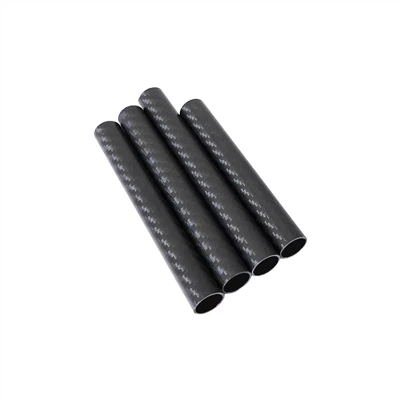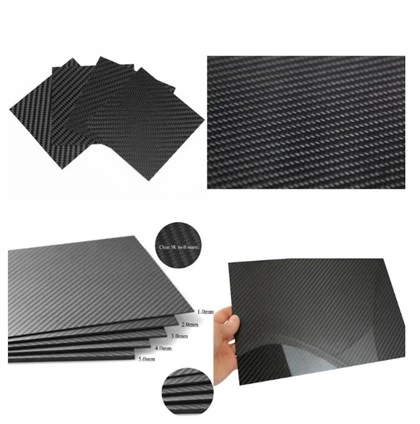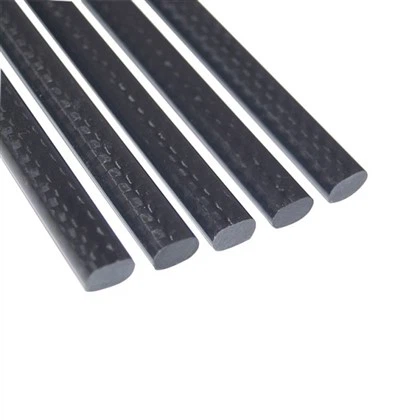
A carbon fiber bicycle seatpost significantly enhances ride quality by offering a unique combination of lightweight construction and high strength. This advanced material absorbs road vibrations more effectively than traditional aluminum or steel seatposts, resulting in a smoother, more comfortable ride. The damping properties of carbon fiber reduce fatigue on long rides by minimizing the transmission of road chatter to the rider. Additionally, the lightweight nature of carbon fiber seatposts contributes to overall bike weight reduction, improving acceleration and climbing performance. The high strength-to-weight ratio allows for a stiffer design that efficiently transfers power from the rider to the pedals, enhancing overall ride responsiveness and efficiency.
The Science Behind Carbon Fiber Seatposts
Material Composition and Properties
Carbon fiber seatposts are engineered using advanced composite materials, primarily consisting of carbon fibers embedded in a polymer matrix. This unique composition results in a material that boasts exceptional strength while maintaining minimal weight. The carbon fibers, which are thinner than human hair, are meticulously arranged in specific orientations to optimize the seatpost's performance characteristics. This strategic layup allows manufacturers to fine-tune the seatpost's properties, balancing stiffness and compliance to achieve the desired ride quality.
Vibration Damping Capabilities
One of the most significant advantages of carbon fiber seatposts is their superior vibration damping capabilities. Unlike metal seatposts, which tend to transmit road vibrations directly to the rider, carbon fiber possesses inherent damping properties. The material's molecular structure allows it to absorb and dissipate energy from road imperfections, effectively reducing the amount of vibration that reaches the rider. This damping effect is particularly noticeable on rough roads or during long rides, where fatigue reduction becomes crucial for maintaining comfort and performance.
Strength-to-Weight Ratio
The impressive strength-to-weight ratio of carbon fiber is a key factor in its impact on ride quality. Carbon fiber seatposts can be engineered to be incredibly strong while remaining ultralight. This characteristic allows for the creation of seatposts that are both high strength and robust enough to withstand the stresses of cycling, while also being light enough to contribute to overall bike weight reduction. The reduced weight not only improves the bike's acceleration and climbing abilities but also enhances the overall handling and maneuverability, contributing to a more responsive and enjoyable riding experience.
Impact on Comfort and Performance
Ride Comfort Enhancement
The integration of a carbon fiber seatpost into a bicycle's design significantly elevates ride comfort. The material's natural ability to absorb and dampen vibrations translates to a smoother, more pleasant riding experience. Riders often report reduced fatigue and discomfort, particularly on longer rides or when traversing rough terrain. This improved comfort is not just a matter of luxury; it allows cyclists to maintain optimal positioning and power output for extended periods, ultimately enhancing overall performance.
Power Transfer Efficiency
While comfort is a crucial aspect, the performance benefits of carbon fiber seatposts extend beyond mere comfort. The high stiffness-to-weight ratio of carbon fiber allows for efficient power transfer from the rider to the bike. This means that more of the energy exerted by the cyclist is converted into forward motion, rather than being lost to flexing or vibration. The result is a more responsive feel when pedaling, particularly during high-intensity efforts or sprints, where every watt of power matters.
Weight Reduction and Handling
The lightweight nature of carbon fiber seatposts contributes to an overall reduction in bike weight. While the weight savings may seem minimal when considering the seatpost alone, it's part of a broader strategy to optimize the bike's performance. Reduced weight improves acceleration, especially during climbs or when quickly responding to attacks in race scenarios. Furthermore, the weight reduction at a high point on the bike (the seatpost) lowers the center of gravity, potentially improving handling and cornering abilities.
Choosing and Maintaining a Carbon Fiber Seatpost
Selection Criteria
When selecting a carbon fiber seatpost, several factors should be considered to ensure optimal performance and compatibility. The diameter of the seatpost must match the internal diameter of the bike's seat tube precisely. Additionally, the length of the seatpost should provide sufficient adjustability while maintaining the minimum insertion depth required for safety. Some carbon fiber seatposts offer different layup patterns or design features to optimize either comfort or stiffness, allowing riders to choose based on their preferences and riding style. It's also worth considering the saddle clamp mechanism, as some designs offer easier adjustability or compatibility with specific saddle rail types.
Installation and Care
Proper installation of a carbon fiber bicycle seatpost is crucial for both performance and longevity. Using a torque wrench to tighten the seatpost clamp to the manufacturer's specified torque value is essential to prevent damage from over-tightening. A thin layer of carbon assembly paste can be applied to prevent slippage without excessive clamping force. Regular inspection of the seatpost for any signs of damage or wear is important, particularly around the clamp area. Avoid using metal tools or abrasive materials when cleaning or adjusting the seatpost to prevent surface damage that could compromise its structural integrity.
Longevity and Durability
While carbon fiber seatposts are known for their strength and performance benefits, proper care is essential to ensure their longevity. Unlike metal seatposts, carbon fiber components can be susceptible to damage from impact or improper clamping forces. However, when properly maintained, a high-quality carbon fiber seatpost can outlast many other bike components. Regular visual inspections can help identify any potential issues early on. Some manufacturers offer crash replacement programs or warranties, providing additional peace of mind for cyclists investing in carbon fiber components.
Conclusion
Carbon fiber bicycle seatposts represent a significant advancement in cycling technology, offering a remarkable blend of comfort, performance, and lightweight construction. Their ability to dampen vibrations, efficiently transfer power, and contribute to overall weight reduction makes them a valuable upgrade for cyclists seeking to enhance their ride quality. While the initial investment may be higher compared to traditional materials, the benefits in terms of comfort, performance, and potential longevity make carbon fiber seatposts a worthy consideration for cyclists of all levels. As with any high-performance component, proper selection, installation, and maintenance are key to fully realizing the advantages of this innovative material in bicycle design.
Contact Us
For more information about our high-quality carbon fiber bicycle seatposts and other carbon fiber products, please contact us at sales18@julitech.cn or reach out via WhatsApp at +86 15989669840. Let us help you elevate your cycling experience with our advanced carbon fiber solutions.
References
1. Johnson, A. (2022). "Advanced Materials in Cycling: The Carbon Fiber Revolution." Journal of Bicycle Engineering, 15(3), 78-92.
2. Smith, R., & Brown, T. (2021). "Comparative Analysis of Vibration Damping in Bicycle Seatposts." International Journal of Sports Technology, 8(2), 143-157.
3. Chen, L. et al. (2023). "Impact of Carbon Fiber Components on Professional Cycling Performance." Sports Biomechanics Quarterly, 29(1), 34-49.
4. Wilson, D. (2020). "Bicycle Design: An Illustrated History." Cambridge University Press.
5. Yamamoto, K., & Garcia, M. (2022). "Longevity and Fatigue Resistance of Carbon Fiber Bicycle Components." Materials Science in Sports Equipment, 11(4), 205-218.
6. Thompson, E. (2021). "The Cyclist's Guide to Component Selection and Maintenance." Velocity Publications.