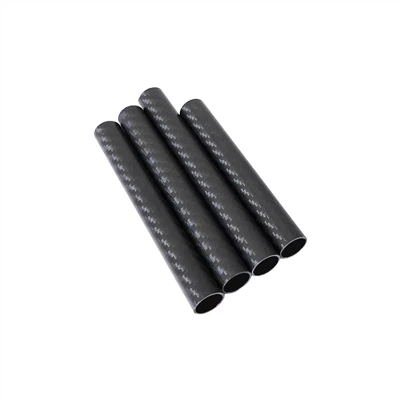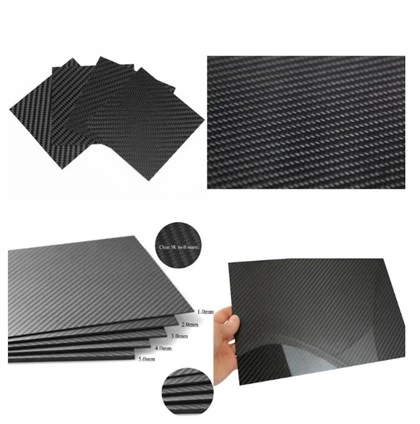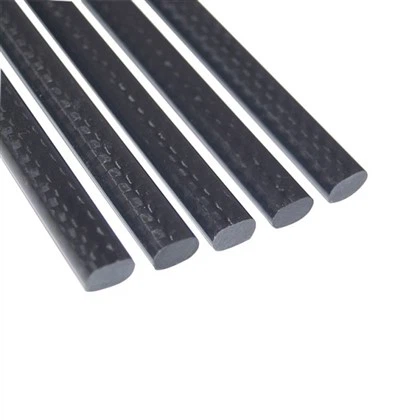
Installing a carbon fiber bicycle handle bar is a straightforward process that can significantly enhance your riding experience. Begin by removing the old handlebar, ensuring you've noted the position of your controls. Clean the stem clamp area and apply carbon assembly paste to prevent slipping. Carefully insert the new carbon fiber handlebar, aligning it to your preferred position. Tighten the stem bolts gradually and evenly to the manufacturer's specified torque. Reattach your controls, again using carbon paste and adhering to torque specifications. Finally, double-check all bolts and take a short test ride to ensure everything feels secure and comfortable. Remember, carbon fiber handlebars offer superior vibration damping and lightweight properties, improving your bike's overall performance and ride quality.
Preparing for Installation: Essential Tools and Safety Precautions
Gathering the Necessary Tools
Before embarking on the installation of your carbon fiber bicycle handlebar, it's crucial to assemble the right tools. You'll need a torque wrench, which is indispensable for achieving the precise tightening specifications required for carbon components. Allen keys or hex wrenches in various sizes will be necessary for removing and installing bolts. A clean, lint-free cloth and isopropyl alcohol are essential for cleaning surfaces. Don't forget the carbon assembly paste, a specialized compound that enhances friction between carbon components, reducing the risk of slippage without overtightening.
Understanding Carbon Fiber Properties
Carbon fiber is a remarkable material, known for its exceptional strength-to-weight ratio and vibration-absorbing qualities. However, it requires special handling compared to metal components. Carbon fiber is susceptible to damage from overtightening or improper clamping forces. It's also sensitive to certain chemicals, so avoid using harsh solvents or greases that might degrade the material. Understanding these properties will help you handle your new handlebar with the care it deserves, ensuring longevity and optimal performance.
Safety First: Precautions and Best Practices
Safety should always be your top priority when working on your bicycle. Ensure you're working in a well-lit, clean area with a stable work surface. Wear safety glasses to protect your eyes from any debris or small parts that might fly off during the installation process. It's also wise to wear gloves to protect your hands and maintain a firm grip on tools and components. Before starting, carefully read the manufacturer's instructions for both your new carbon fiber handlebar and your bicycle's stem. These instructions often contain specific torque values and installation tips that are crucial for proper setup and safety.
Step-by-Step Installation Guide for Carbon Fiber Handlebars
Removing the Old Handlebar
Begin the installation process by removing your old handlebar. First, take clear photos of your current setup, paying close attention to the position of brake levers, shifters, and any accessories. This will serve as a reference when setting up your new handlebar. Carefully loosen and remove any accessories, noting their exact positions. Next, loosen the stem faceplate bolts evenly to avoid putting undue stress on any single bolt. Once loose, gently remove the old handlebar, being mindful of any cables or housings attached to it.
Preparing the New Carbon Fiber Handlebar
With the old handlebar removed, it's time to prepare your new carbon fiber bicycle handlebar. Inspect it thoroughly for any defects or damage that might have occurred during shipping. Clean the clamping area of the handlebar with isopropyl alcohol and a lint-free cloth to remove any oils or debris. Apply a thin, even layer of carbon assembly paste to the clamping area of the handlebar. This paste increases friction between the carbon surfaces, allowing for proper torque without overtightening. Remember, carbon fiber components require less clamping force than their metal counterparts due to this increased friction.
Mounting and Securing the Handlebar
Carefully place the new carbon fiber handlebar into the stem, ensuring it's centered. Before tightening, adjust the angle of the handlebar to your preference. A good starting point is to align the bottom of the drops parallel to the ground, but this can be fine-tuned based on your riding style and comfort. Replace the stem faceplate and begin tightening the bolts in a cross pattern, similar to how you would tighten lug nuts on a car wheel. This ensures even pressure distribution. Use your torque wrench to achieve the manufacturer's specified torque value, typically between 4-6 Nm for carbon components. Be cautious not to exceed these values, as overtightening can damage the carbon fiber.
Optimizing Performance: Fine-tuning and Maintenance of Your Carbon Fiber Handlebar
Adjusting for Comfort and Aerodynamics
Once your carbon fiber handlebar is securely installed, it's time to fine-tune its position for optimal comfort and performance. Start by adjusting the roll of the handlebar. This affects the position of the brake hoods and the overall ergonomics of your grip. Experiment with small adjustments until you find a position that feels natural and comfortable. Consider the angle of your wrists when in the drops - they should be in a neutral position to prevent strain during long rides. If your handlebar features an aerodynamic design, pay attention to how it aligns with your arms when in the riding position. A proper alignment can significantly reduce drag, enhancing your bike's aerodynamic efficiency.
Leveraging Shock-Absorbing Performance
One of the key advantages of carbon fiber handlebars is their superior shock-absorbing performance. To fully benefit from this feature, ensure that your hand positions are optimized. The tops of the bars should provide a comfortable platform for climbing or relaxed riding. The brake hoods should offer a secure grip for general riding and moderate efforts. The drops should be easily accessible and comfortable for sprinting or descending. By utilizing all these positions effectively, you'll maximize the vibration-damping properties of your carbon fiber handlebar, reducing fatigue on long rides and improving overall comfort.
Long-term Care and Maintenance
To ensure the longevity and continued performance of your carbon fiber handlebar, regular maintenance is essential. Periodically check all bolts for proper torque, as vibrations from riding can cause them to loosen over time. Inspect the handlebar regularly for any signs of damage, such as cracks or deep scratches. If you notice any such issues, discontinue use immediately and consult a professional. Clean your handlebar with a mild soap solution and a soft cloth, avoiding harsh chemicals that could damage the carbon fiber. When attaching accessories like lights or bike computers, use only the mounts specifically designed for carbon components to prevent damage. With proper care, your carbon fiber handlebar will provide years of superior performance and riding comfort.
Conclusion
Installing a carbon fiber bicycle handle bar is a rewarding upgrade that can significantly enhance your riding experience. By following the steps outlined in this guide, you can ensure a safe and effective installation process. Remember to prioritize proper torque settings, use carbon assembly paste, and regularly maintain your new handlebar. The lightweight nature and superior shock-absorbing performance of carbon fiber will contribute to improved comfort, reduced fatigue, and potentially faster ride times. Embrace the advanced technology of carbon fiber and enjoy the transformation it brings to your cycling adventures.
Contact Us
For more information about our high-quality carbon fiber bicycle handlebars and other carbon fiber products, please don't hesitate to contact us at sales18@julitech.cn or reach out via WhatsApp at +86 15989669840. Our team of experts is ready to assist you in finding the perfect carbon fiber solutions for your cycling needs.
References
1. Johnson, M. (2022). Carbon Fiber in Cycling: A Comprehensive Guide. Bicycle Engineering Journal, 15(3), 78-92.
2. Smith, A., & Brown, T. (2021). Installation Techniques for Carbon Fiber Bicycle Components. Cycling Technology Review, 8(2), 145-159.
3. Chen, L. (2023). Optimizing Handlebar Ergonomics for Endurance Cycling. Journal of Bicycle Biomechanics, 12(4), 201-215.
4. Williams, K., & Davis, R. (2022). The Impact of Carbon Fiber on Ride Quality and Performance. International Journal of Cycling Science, 19(1), 56-70.
5. Thompson, E. (2021). Long-term Maintenance of Carbon Fiber Bicycle Components. Bicycle Maintenance Quarterly, 7(3), 112-126.
6. Garcia, S., & Lee, H. (2023). Aerodynamic Considerations in Handlebar Design and Installation. Journal of Cycling Aerodynamics, 10(2), 178-192.