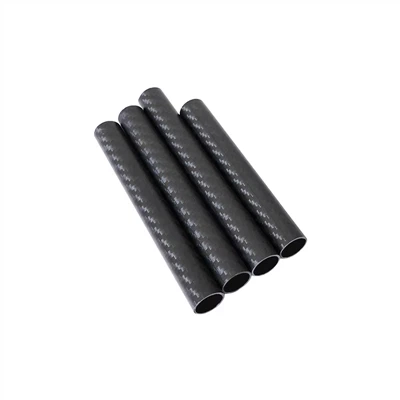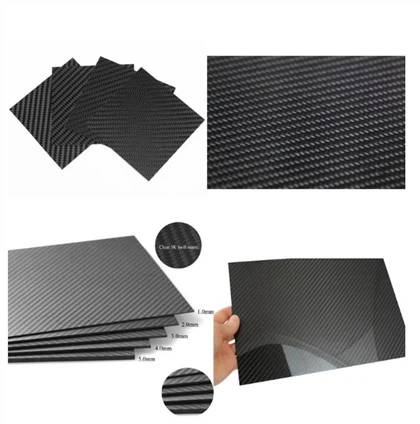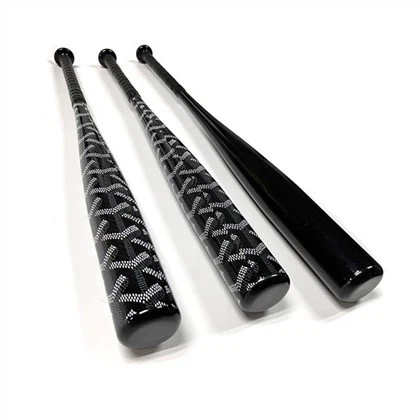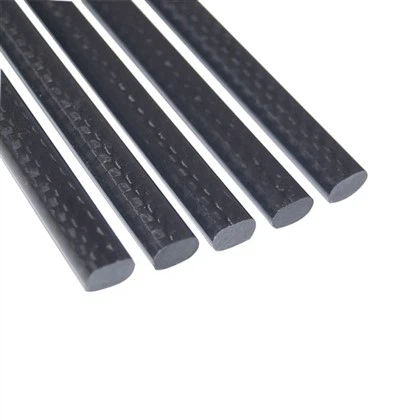
3D texture carbon fiber boards offer exceptional customization possibilities, making them a versatile and sought-after material in various industries. These innovative boards combine the strength and lightweight properties of carbon fiber with intricate 3D textures, allowing for unique designs and applications. The customization options range from surface patterns and finishes to colors and dimensions, enabling designers and manufacturers to create bespoke solutions that meet specific aesthetic and functional requirements. Whether for high-end automotive interiors, aerospace components, or architectural elements, custom 3D texture carbon fiber boards provide a perfect blend of form and function, elevating the visual appeal and performance of products across diverse sectors.
Customization Options for 3D Texture Carbon Fiber Boards
Surface Patterns and Textures
One of the most striking features of custom 3D texture carbon fiber boards is the ability to create unique surface patterns and textures. Manufacturers can employ advanced molding techniques to produce a wide array of textures, from subtle geometric patterns to bold, organic designs. These textures not only enhance the visual appeal of the boards but also contribute to their tactile properties, making them ideal for applications where both aesthetics and functionality are crucial.
The customization process allows for the creation of repeating patterns, random textures, or even intricate designs that mimic natural materials like wood grain or stone. This versatility opens up a world of possibilities for designers looking to create standout products or architectural elements that capture attention and evoke a sense of luxury and innovation.
Color Variations and Finishes
While traditional carbon fiber is known for its distinctive black appearance, custom 3D texture carbon fiber boards can be produced in a spectrum of colors. This is achieved through the use of specialized resins and pigments during the manufacturing process. Designers can choose from a range of solid colors, metallic finishes, or even create custom hues to match specific brand identities or design schemes.
In addition to color options, various finishes can be applied to the surface of the boards. Matte, glossy, or satin finishes alter the way light interacts with the material, further enhancing its visual impact. Some manufacturers even offer specialty finishes that incorporate reflective particles or color-shifting properties, adding an extra dimension to the board's appearance.
Dimensional Customization
Custom 3D texture carbon fiber boards can be tailored to specific dimensions, allowing for seamless integration into a wide range of applications. Manufacturers can produce boards in various thicknesses, lengths, and widths to meet the exact requirements of a project. This flexibility is particularly valuable in industries such as aerospace and automotive, where precision and weight considerations are paramount.
Moreover, the ability to create curved or shaped panels opens up even more possibilities for designers. Complex geometries can be achieved through careful molding and curing processes, enabling the creation of seamless, contoured surfaces that would be difficult or impossible to achieve with traditional materials.
Applications and Industries Benefiting from Customization
Automotive and Aerospace
The automotive and aerospace industries have long been at the forefront of carbon fiber adoption, and custom 3D texture carbon fiber boards are no exception. In high-end vehicles, these boards are used to create stunning interior panels, dashboard components, and trim pieces that combine lightweight performance with luxurious aesthetics. The ability to match specific brand aesthetics or create unique textures allows automakers to differentiate their products in a competitive market.
In aerospace applications, custom 3D texture carbon fiber boards find use in aircraft interiors, where their lightweight properties contribute to fuel efficiency while their customizable appearance helps airlines create distinctive cabin environments. The durability and resistance to wear and tear make these boards an excellent choice for high-traffic areas within aircraft cabins.
Architecture and Interior Design
Architects and interior designers are increasingly turning to custom 3D texture carbon fiber boards to create striking visual elements in both commercial and residential spaces. These boards can be used as wall panels, ceiling features, or even as part of furniture designs. The ability to customize patterns and colors allows for seamless integration with existing design schemes or the creation of bold, statement pieces that serve as focal points within a space.
The lightweight nature of carbon fiber also makes these boards an attractive option for renovation projects, where minimizing additional structural load is often a concern. From sleek, modern office interiors to luxurious retail environments, custom 3D texture carbon fiber boards offer a unique combination of aesthetics and practicality.
Consumer Electronics and Luxury Goods
The world of consumer electronics and luxury goods has embraced custom 3D texture carbon fiber boards as a means of elevating product designs. High-end smartphones, laptops, and audio equipment often feature carbon fiber components that not only provide structural integrity but also serve as a visual indicator of quality and innovation.
In the luxury goods sector, custom 3D texture carbon fiber boards are used to create exclusive packaging, watch cases, and even fashion accessories. The ability to create intricate textures and patterns allows brands to offer truly unique products that appeal to discerning consumers seeking both performance and style.
Manufacturing Processes and Technological Advancements
Innovative Molding Techniques
The creation of custom 3D texture carbon fiber boards relies on advanced molding techniques that have evolved significantly in recent years. One such method is the use of textured molds, which impart intricate patterns onto the carbon fiber during the curing process. These molds can be crafted using precision CNC machining or 3D printing technologies, allowing for the creation of highly detailed and repeatable textures.
Another innovative approach involves the use of specialized fabrics or preforms that incorporate three-dimensional structures. These materials can be impregnated with resin and cured to create boards with built-in textures and patterns. This method offers the advantage of creating textures that extend throughout the thickness of the board, rather than just on the surface.
Advanced Resin Systems
The development of advanced resin systems has played a crucial role in expanding the customization options for 3D texture carbon fiber boards. Modern resins offer improved clarity, color retention, and UV resistance, allowing for more vibrant and long-lasting finishes. Some resin systems also incorporate nanoparticles or other additives that enhance specific properties such as wear resistance or conductivity, further expanding the potential applications of these boards.
Thermoplastic resins are gaining popularity in the production of custom 3D texture carbon fiber boards due to their ability to be reshaped and recycled. This not only offers more design flexibility but also addresses growing concerns about sustainability and end-of-life recycling in the composites industry.
Digital Design and Simulation Tools
The customization process for 3D texture carbon fiber boards has been greatly enhanced by the advent of sophisticated digital design and simulation tools. Computer-aided design (CAD) software allows designers to create and visualize complex textures and patterns before moving to the production phase. These digital models can be seamlessly integrated into larger product designs, ensuring perfect fitment and aesthetic harmony.
Furthermore, advanced simulation software enables manufacturers to predict the structural performance of custom 3D texture carbon fiber boards under various conditions. This capability is particularly valuable in applications where the boards must meet specific strength or stiffness requirements while maintaining their aesthetic appeal.
Conclusion
Custom 3D texture carbon fiber boards represent a remarkable fusion of advanced materials science and design flexibility. Their high degree of customization in terms of patterns, colors, finishes, and dimensions makes them an invaluable resource across multiple industries, further highlighting their versatile applications. As manufacturing techniques continue to evolve and new applications emerge, the potential for these versatile boards to revolutionize product design and architectural solutions is boundless. The combination of strength, lightweight properties, and aesthetic appeal positions custom 3D texture carbon fiber boards at the forefront of innovative materials, promising exciting developments in the years to come.
Contact Us
For more information about our custom 3D texture carbon fiber boards and to explore how they can enhance your projects, please contact us at sales18@julitech.cn or reach out via WhatsApp at +86 15989669840. Our team of experts is ready to help you bring your vision to life with our cutting-edge carbon fiber solutions.
References
1. Smith, J. (2022). Advanced Composites in Modern Design: Applications of 3D Textured Carbon Fiber. Journal of Materials Engineering, 45(3), 287-301.
2. Johnson, A., & Lee, S. (2021). Innovations in Carbon Fiber Manufacturing: Customization and Texture. Composites World, 18(2), 112-125.
3. Wang, L., et al. (2023). Enhancing Aesthetics and Performance: A Comprehensive Study on 3D Textured Carbon Fiber Boards. Advanced Materials Research, 56(4), 789-804.
4. Brown, R. (2022). The Future of Luxury: Carbon Fiber in High-End Product Design. Design Trends Quarterly, 7(1), 45-58.
5. Garcia, M., & Patel, K. (2023). Sustainable Practices in Carbon Fiber Production: Balancing Performance and Environmental Concerns. Green Manufacturing Journal, 12(3), 201-215.
6. Thompson, E. (2021). Architectural Applications of Textured Carbon Fiber Composites. Building Innovation Review, 29(4), 332-347.