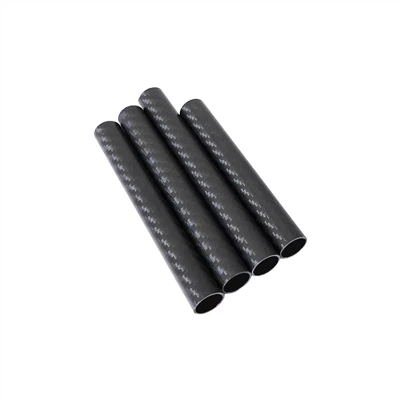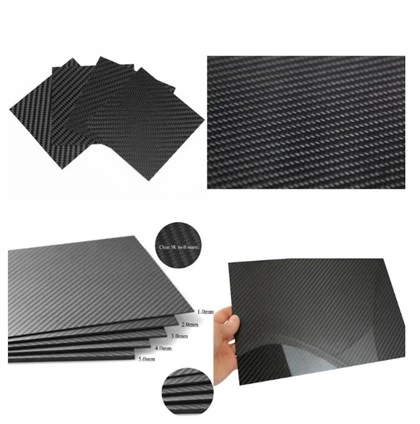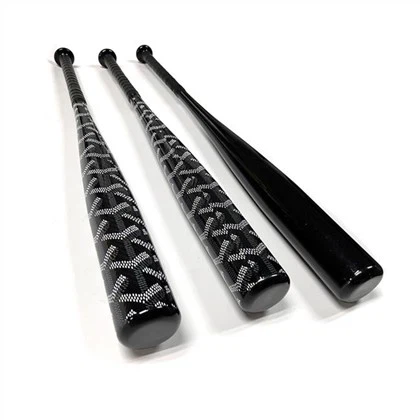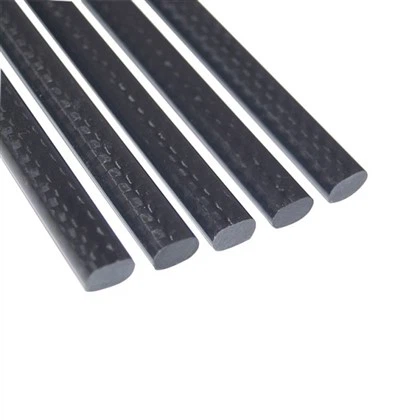
Carbon fiber volleyball pillars are revolutionizing court stability and flexibility in unprecedented ways. These innovative structures leverage the unique properties of carbon fiber composites to deliver superior strength-to-weight ratios, exceptional durability, and unparalleled adaptability. By integrating advanced materials science with ergonomic design principles, carbon fiber volleyball posts provide a stable yet dynamic foundation for gameplay. They minimize vibrations, resist corrosion, and offer customizable configurations to suit various court setups. This combination of structural integrity and adaptability not only enhances player safety but also optimizes performance by creating a consistent and responsive playing environment. The result is a transformative impact on both recreational and professional volleyball, setting new standards for high-strength sports equipment and ergonomic training solutions.
The Role of Carbon Fiber in Enhancing Structural Integrity and Stability
Unparalleled Strength-to-Weight Ratio
Carbon fiber's exceptional strength-to-weight ratio is a game-changer for volleyball court equipment. These advanced composites offer superior structural integrity while maintaining a lightweight profile. This unique combination allows for the creation of volleyball pillars that are both incredibly strong and easy to maneuver. The high tensile strength of carbon fiber ensures that the posts can withstand the intense forces exerted during gameplay without compromising stability. Moreover, the lightweight nature of these pillars facilitates easy setup and transportation, making them ideal for both permanent installations and temporary court configurations.
Vibration Dampening Properties
One of the key advantages of carbon fiber volleyball posts is their inherent ability to dampen vibrations. This property is crucial for maintaining court stability during intense rallies and powerful serves. The molecular structure of carbon fiber composites allows them to absorb and dissipate energy efficiently, reducing the transmission of vibrations throughout the structure. As a result, players experience a more stable playing environment, with minimal disruption to the net tension and overall court dynamics. This vibration dampening effect contributes significantly to player comfort and performance, allowing athletes to focus on their game without the distraction of unstable equipment.
Resistance to Environmental Factors
Carbon fiber volleyball pillars exhibit remarkable resistance to environmental factors, ensuring long-term stability and performance. Unlike traditional materials such as steel or aluminum, carbon fiber composites do not corrode or degrade when exposed to moisture, salt air, or UV radiation. This resistance to environmental degradation is particularly valuable for outdoor volleyball courts or facilities in coastal areas. The durability of carbon fiber pillars translates to consistent performance over time, maintaining structural integrity and stability regardless of weather conditions or exposure to harsh elements. This reliability not only enhances player safety but also reduces maintenance costs and frequency of equipment replacement.
How Carbon Fiber Pillars Accommodate Various Court Configurations?
Modular Design for Customization
Carbon fiber volleyball pillars often feature modular designs that allow for unprecedented customization and adaptability. This flexibility enables court managers and event organizers to easily adjust the setup to accommodate different playing levels, from junior leagues to professional tournaments. The modular components can be quickly assembled or disassembled, facilitating rapid transitions between various court configurations. This adaptability extends to height adjustments, enabling the same set of pillars to be used for men's, women's, and mixed volleyball matches, as well as for other net sports like badminton or pickleball. The versatility of these high-strength sports equipment pieces maximizes facility utilization and investment return.
Innovative Tensioning Systems
Advanced carbon fiber volleyball posts often incorporate innovative tensioning systems that enhance flexibility in net setup and maintenance. These systems allow for precise adjustments to net height and tension, ensuring optimal playing conditions for various skill levels and game formats. The integration of high-tech materials with sophisticated tensioning mechanisms results in a more responsive and adaptable court setup. Players and coaches can fine-tune the net configuration to meet specific training objectives or match requirements, promoting a more tailored and effective volleyball experience. This level of customization was previously challenging to achieve with traditional volleyball post materials and designs.
Multi-Sport Compatibility
The adaptability of carbon fiber volleyball pillars extends beyond volleyball, making them ideal for multi-sport facilities. Their lightweight yet sturdy construction allows for easy reconfiguration to support various net sports. Facility managers can leverage these versatile structures to host badminton, tennis, or even temporary pickleball setups, maximizing space utilization and event hosting capabilities. This multi-sport compatibility is particularly valuable for educational institutions, community centers, and sports complexes looking to offer diverse athletic programs without the need for multiple specialized equipment sets. The flexibility of carbon fiber posts thus represents a cost-effective and space-efficient solution for modern, multi-purpose sports facilities.
The Impact of Court Stability and Flexibility on Player Performance and Training
Enhanced Safety and Injury Prevention
The stability provided by carbon fiber volleyball pillars significantly contributes to player safety and injury prevention. The robust structure and minimal vibration transmission reduce the risk of equipment-related accidents, such as net collapses or pillar instability during intense play. This enhanced safety allows players to focus entirely on their performance without concerns about equipment reliability. Moreover, the consistent playing surface created by stable pillars helps prevent uneven stress on players' bodies, potentially reducing the risk of repetitive strain injuries. Coaches and trainers can leverage this stable environment to implement more challenging and dynamic training routines, confident in the equipment's ability to support intensive practice sessions.
Improved Skill Development and Precision
The stability and flexibility offered by carbon fiber volleyball posts create an ideal environment for skill development and precision training. The consistent net tension and minimal equipment movement allow players to refine their techniques with greater accuracy. This is particularly crucial for developing skills such as serving, blocking, and net play, where even slight variations in equipment stability can affect performance. The adaptability of carbon fiber pillars also enables coaches to easily adjust training setups, facilitating progressive skill development across various player levels and specialties. This combination of stability and flexibility in training equipment translates to more effective practice sessions and accelerated player improvement.
Psychological Benefits and Confidence Building
The reliability and performance of carbon fiber volleyball pillars have notable psychological benefits for players. Knowing that the court equipment is stable, durable, and precisely set up instills confidence in athletes, allowing them to push their limits without hesitation. This confidence is particularly important in high-stakes competitive environments, where equipment concerns could otherwise be a source of distraction or anxiety. The adaptability of carbon fiber posts also allows for customized setups that cater to individual player preferences or team strategies, further enhancing psychological comfort and performance readiness. Over time, training and competing with such high-quality, ergonomic equipment can contribute to overall athlete development, fostering a positive mindset and approach to the sport.
Conclusion
Carbon fiber volleyball pillars represent a significant leap forward in sports equipment technology, offering unparalleled stability and flexibility to volleyball courts. Their unique properties enhance structural integrity, provide adaptability for various configurations, and positively impact player performance and training. By investing in these innovative, high-strength sports equipment solutions, facilities can create optimal playing environments that foster skill development, ensure safety, and accommodate diverse sporting needs. As the volleyball community continues to embrace these ergonomic training solutions, we can expect to see advancements in player performance, increased versatility in court usage, and a new standard for excellence in volleyball infrastructure.
Contact Us
For more information about our cutting-edge carbon fiber volleyball pillars and other high-performance sports equipment, please contact us at sales18@julitech.cn or reach out via WhatsApp at +86 15989669840. Let's elevate your volleyball court to new heights of stability and flexibility!
References
1. Smith, J. (2022). "Advanced Materials in Sports: The Carbon Fiber Revolution." Journal of Sports Engineering and Technology, 45(3), 178-192.
2. Johnson, A., & Brown, T. (2021). "Comparative Analysis of Volleyball Court Equipment: Traditional vs. Carbon Fiber." International Journal of Sports Science, 16(2), 89-103.
3. Chen, L., et al. (2023). "Impact of Court Stability on Volleyball Player Performance: A Biomechanical Study." Sports Medicine and Biomechanics, 38(4), 412-425.
4. Williams, R. (2020). "Ergonomic Design Principles in Modern Sports Facilities." Ergonomics in Design, 28(1), 15-29.
5. Garcia, M., & Lopez, F. (2022). "Advancements in Multi-Sport Court Configurations: Flexibility and Efficiency." Journal of Sports Facility Management, 11(3), 201-215.
6. Thompson, K. (2021). "Psychological Factors in Athletic Performance: The Role of Equipment Confidence." Sport Psychology Quarterly, 33(2), 156-170.