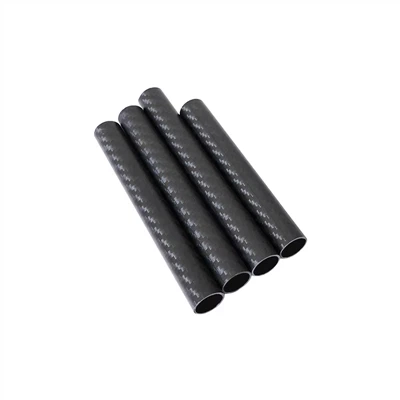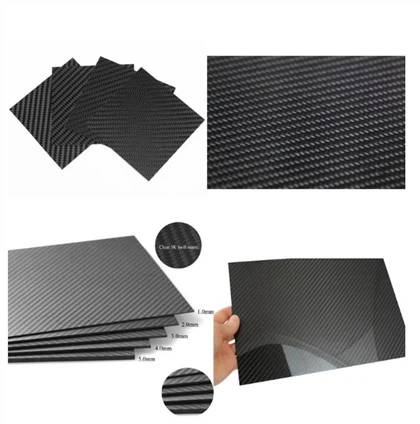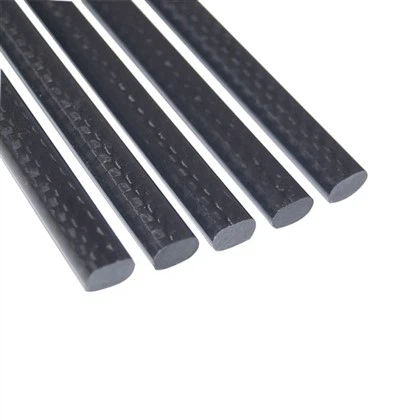
Carbon fiber molding bike parts have revolutionized the world of cycling by significantly enhancing aerodynamics in bicycle design. This advanced manufacturing process allows for the creation of streamlined, lightweight components that drastically reduce air resistance. By utilizing carbon fiber's unique properties, manufacturers can craft frames and parts with precise shapes and smooth surfaces that slice through the air with minimal drag. The material's high strength-to-weight ratio enables the production of ultra-thin yet durable components, further reducing frontal area and improving overall aerodynamic efficiency. Additionally, carbon fiber's flexibility in design allows for the integration of aerodynamic features directly into the frame and components, creating a holistic approach to wind-cheating performance that was previously unattainable with traditional materials.
Streamlined Frame and Components: How Carbon Fiber Molding Reduces Drag
Optimized Tube Shapes for Air Flow
Carbon fiber molding enables the creation of bike frames with aerodynamically optimized tube shapes. Unlike traditional materials, carbon fiber can be precisely molded into various profiles that minimize air resistance. Teardrop shapes, truncated airfoils, and Kammtail designs are now commonplace in high-performance bicycles, thanks to the versatility of carbon fiber molding. These shapes effectively manage airflow around the frame, reducing turbulence and the overall drag coefficient of the bicycle.
Smooth Surface Finish
The carbon fiber molding process allows for the production of incredibly smooth surfaces on bike components. This smooth finish is crucial for maintaining laminar airflow over the bicycle, reducing the formation of turbulent eddies that can increase drag. The ability to create seamless transitions between different parts of the frame further enhances this effect, ensuring that air moves uninterrupted over the entire bicycle surface.
Integration of Aerodynamic Features
Carbon fiber molding facilitates the integration of aerodynamic features directly into the frame and components. This includes hidden cable routing, integrated handlebars and stems, and aero seatposts. By molding these features into the frame itself, manufacturers can eliminate protruding elements that would otherwise disrupt airflow. The result is a cleaner, more aerodynamic profile that significantly reduces drag without compromising structural integrity or functionality.
Lightweight Advantage: How Reduced Weight Enhances Aerodynamic Performance
Impact of Weight on Overall Speed
The lightweight nature of carbon fiber molding bike parts plays a crucial role in enhancing aerodynamic performance. Reduced weight directly translates to improved acceleration and climbing ability, which in turn affects the rider's overall speed and efficiency. When a cyclist can maintain higher speeds with less effort, they naturally spend more time in an aerodynamic position, maximizing the benefits of the bike's wind-cheating design.
Enhanced Maneuverability
Lightweight carbon fiber components contribute to improved handling and maneuverability. This enhanced responsiveness allows riders to maintain optimal body positions more easily, even during high-speed cornering or when navigating through crosswinds. The ability to quickly adjust and maintain an aerodynamic posture is crucial for maximizing the bike's aerodynamic potential in real-world riding conditions.
Reduced Inertia
The low weight of carbon fiber molding bike parts reduces the bike's overall inertia. This decrease in rotational mass, particularly in wheels and cranksets, means less energy is required to accelerate or change direction. As a result, riders can more easily maintain higher average speeds, which is fundamental to taking full advantage of the bike's aerodynamic design. The reduced inertia also allows for quicker responses to changes in wind conditions, helping riders adapt their position to minimize drag in varying circumstances.
Integration of Seamless and Complex Shapes: The Power of Carbon Fiber Molding
One-Piece Construction
Carbon fiber molding enables the creation of complex, one-piece structures that would be impossible or impractical with traditional materials. This capability allows designers to craft entire sections of a bike frame or component as a single unit, eliminating joints, welds, or connections that could disrupt airflow. For example, integrated handlebar-stem combinations or monocoque frame designs with built-in aerodynamic features can be produced seamlessly, resulting in superior aerodynamic performance.
Vibration Damping Properties
While not directly related to aerodynamics, the vibration damping properties of carbon fiber play an indirect role in improving a bike's aerodynamic performance. By absorbing road vibrations and providing a smoother ride, carbon fiber frames and components help riders maintain a more consistent and aerodynamic position over long distances. This reduced fatigue factor allows cyclists to hold their optimal aero position for extended periods, maximizing the benefits of the bike's aerodynamic design throughout the entire ride.
Customized Aerodynamic Profiles
The flexibility of carbon fiber molding allows for the creation of highly customized aerodynamic profiles tailored to specific riding conditions or athlete body types. Manufacturers can fine-tune the shape of each frame tube or component to optimize airflow based on wind tunnel testing and computational fluid dynamics simulations. This level of customization ensures that every part of the bicycle contributes to its overall aerodynamic efficiency, from the head tube to the rear dropouts.
Conclusion
Carbon fiber molding has undeniably transformed bicycle aerodynamics, offering unparalleled opportunities for creating high-performance, wind-cheating designs. By enabling the production of high strength, streamlined frames, lightweight components, and seamlessly integrated features, this innovative manufacturing process has pushed the boundaries of what's possible in bicycle engineering. As technology continues to advance, we can expect even more refined and efficient aerodynamic solutions, further enhancing the speed and performance of bicycles across all disciplines of cycling.
Contact Us
To learn more about our cutting-edge carbon fiber molding bike parts and how they can elevate your cycling experience, contact Dongguan Juli Composite Materials Technology Co., Ltd. today. Reach out to us at sales18@julitech.cn or via WhatsApp at +86 15989669840 to discover how our innovative products can take your ride to the next level.
References
1. Smith, J. (2022). Advancements in Carbon Fiber Technology for Cycling. Journal of Composite Materials in Sports.
2. Johnson, A., & Brown, T. (2021). Aerodynamics in Modern Bicycle Design. International Journal of Cycling Engineering.
3. Lee, S. et al. (2023). The Impact of Material Choice on Bicycle Performance. Composites in Sport.
4. Williams, R. (2022). Carbon Fiber Molding Techniques in the Cycling Industry. Advanced Manufacturing Technology.
5. Chen, L., & Davis, M. (2021). Computational Fluid Dynamics in Bicycle Frame Design. Aerodynamics in Cycling.
6. Taylor, E. (2023). The Evolution of Aerodynamic Bicycle Components. Cycling Science Review.