Why Carbon Fiber is Disrupting Traditional Materials
The transition from traditional materials like steel, aluminum, and wood to carbon fiber is driven by more than just its lightweight nature. Let's break down the reasons why industries are shifting:
1. Unmatched Strength-to-Weight Ratio
In industries like aerospace, automotive, and marine, reducing weight is directly tied to performance and fuel efficiency. Carbon fiber delivers high tensile strength without the bulk of steel or aluminum, allowing for faster, more efficient vehicles and aircraft.
2. Corrosion Resistance
Unlike metals, carbon fiber doesn't rust or corrode. This makes it ideal for marine environments or humid conditions where corrosion could otherwise degrade materials.
3. Design Flexibility
Carbon fiber can be molded into complex shapes that would be difficult or impossible to achieve with traditional materials. This opens new doors for creative design in both industrial and artistic applications.
4. Aesthetic Appeal
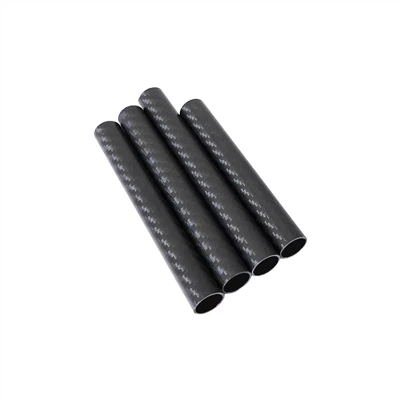
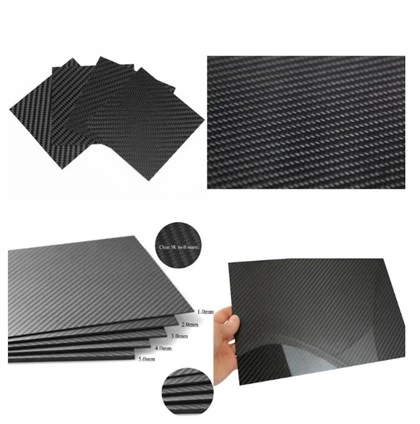
The distinctive woven pattern of carbon fiber has become synonymous with high performance and luxury. Many designers now expose the carbon weave intentionally for visual appeal in everything from bicycle frames to tech gadgets.
5. Longevity and Low Maintenance
Because carbon fiber is incredibly durable and resistant to environmental factors, it often requires less maintenance and lasts longer than its traditional counterparts.
Industries Being Transformed by Carbon Fiber
1. Aerospace
The aerospace industry was among the first to adopt carbon fiber on a large scale. Airplanes like the Boeing 787 Dreamliner use carbon composites extensively to reduce weight and improve fuel efficiency. The result is lower operating costs, better environmental performance, and greater range.
2. Automotive
In the automotive world, carbon fiber was once reserved for supercars like the Bugatti Veyron or McLaren F1. Now, it's making its way into mainstream vehicles. Lightweight carbon fiber components reduce vehicle mass, improving acceleration, braking, and fuel economy.
Electric vehicles (EVs) especially benefit from carbon fiber. The lighter the car, the less energy needed to move it. This directly improves battery life and range.
Examples:
BMW i Series utilizes carbon fiber passenger cabins.
Porsche 911 GT3 features a carbon hood and roof to lower center of gravity.
3. Construction & Architecture
In civil engineering and architecture, carbon fiber is used to reinforce concrete, strengthen aging infrastructure, and even in prefabricated building components.
n civil engineering and architecture, carbon fiber is used to reinforce concrete, strengthen aging infrastructure, and even in prefabricated building components.
Key Uses:
Seismic retrofitting of bridges and buildings
Reinforcement of load-bearing columns
Lightweight panels in modular construction
Carbon fiber enables bold architectural forms without the bulk or constraints of traditional materials, allowing for more daring and sustainable building designs.
4. Sports Equipment
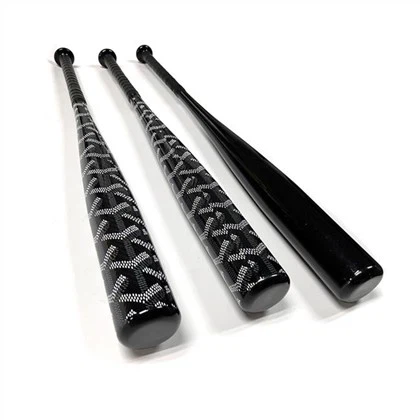
From tennis rackets and bicycles to golf clubs and skis, carbon fiber has revolutionized sports gear. It delivers greater strength, responsiveness, and vibration dampening, giving athletes a performance edge.
Cycling: Carbon fiber bikes are lighter and stiffer, improving power transfer.
Tennis: Rackets with carbon fiber provide better control and shock absorption.
Motorsport: Entire chassis of Formula 1 cars are made of carbon fiber for safety and speed.
5. Consumer Electronics
Carbon fiber is now used in the design of laptops, smartphones, drones, and even phone cases. Its sleek look and light yet durable profile make it an ideal material for portable technology.
For example:
Dell XPS laptops feature carbon fiber palm rests.
DJI drones use carbon arms to reduce weight and extend flight time.
Challenges and Limitations
Despite its benefits, carbon fiber is not without challenges:
1. Cost
Carbon fiber remains more expensive than traditional materials, which limits its use in some mass-market applications.
2. Recyclability
While carbon fiber is durable, it's not as easily recyclable as metals. However, advancements are being made in this area, such as thermal decomposition and chemical recycling methods.
3. Brittleness
Carbon fiber is strong but brittle. It can shatter under certain types of impact, unlike metals which may bend but retain structural integrity.
4. Manufacturing Complexity
Working with carbon fiber requires specialized tools and processes like vacuum bagging, autoclaving, and precise curing techniques. This adds to manufacturing time and costs.
Conclusion
Carbon fiber is more than just a material, it's a revolution in design and engineering. By offering unmatched strength, weight reduction, and design flexibility, it's reshaping the way we make everything from skyscrapers and airplanes to bicycle and smartphone cases. As costs continue to fall and manufacturing becomes more sustainable, carbon fiber is expected to become as common as steel or plastic, but with more advanced advantages. Whether you're a product designer, engineer, architect, or innovator, carbon fiber brings a new way of thinking: lighter, stronger, and more beautiful than ever before. If you need carbon fiber products, you can contact us by email: sales18@julitech.cn or WhatsApp: +8618822947075.