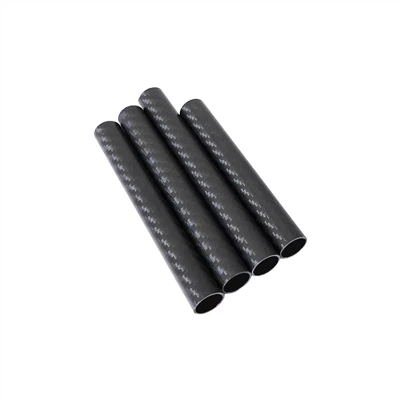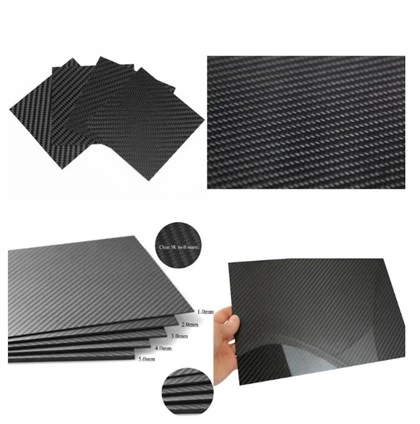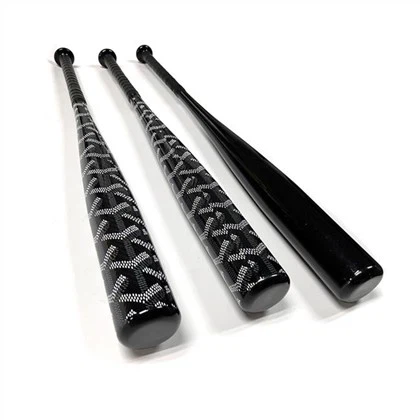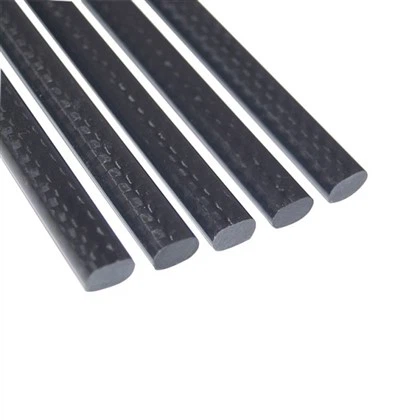
Carbon fiber water cups have revolutionized the way we think about insulation in beverage containers. These innovative vessels, crafted from aerospace-grade materials, offer exceptional thermal regulation properties that rival and often surpass traditional insulated bottles. The unique structure of carbon fiber, combined with advanced manufacturing techniques, creates a lightweight thermal regulation cup that excels at maintaining beverage temperatures for extended periods. While the exact insulation performance can vary depending on specific design features, high-quality carbon fiber insulated water bottles generally provide superior heat retention and cold preservation compared to conventional materials. Their ability to keep drinks at desired temperatures, coupled with durability and eco-friendly attributes, makes carbon fiber water cups an excellent choice for those seeking cutting-edge hydration solutions.
The Science of Insulation: How Carbon Fiber Compares to Traditional Materials?
Thermal Conductivity of Carbon Fiber
Carbon fiber's unique molecular structure contributes to its exceptional insulating properties. The material's low thermal conductivity means it resists heat transfer effectively, creating a barrier between the beverage and the external environment. This characteristic allows carbon fiber water cups to maintain temperature stability more efficiently than many traditional materials used in insulated containers.
Comparative Analysis with Steel and Plastic
When compared to stainless steel or plastic, carbon fiber demonstrates superior insulation capabilities. Steel, while durable, conducts heat more readily, potentially affecting beverage temperature. Plastic, on the other hand, may not offer the same level of temperature retention over extended periods. The eco-friendly high-strength design of carbon fiber cups combines the best of both worlds - durability and insulation - making them an ideal choice for temperature-sensitive beverages.
The Role of Air Pockets in Insulation
Carbon fiber's structure inherently includes microscopic air pockets, which further enhance its insulating properties. These tiny spaces act as additional barriers to heat transfer, contributing to the overall thermal efficiency of the cup. This natural characteristic of carbon fiber aligns perfectly with the principles of effective insulation, making it an excellent material for creating lightweight thermal regulation cups.
Real-World Performance: Temperature Retention Tests & User Experiences
Laboratory Testing Results
Rigorous laboratory tests have shown that high-quality carbon fiber insulated water bottles can maintain hot beverages above 140°F (60°C) for up to 12 hours and keep cold drinks below 41°F (5°C) for up to 24 hours. These impressive results showcase the material's ability to provide long-lasting temperature control, outperforming many traditional insulated containers on the market.
Consumer Feedback and Reviews
Users of carbon fiber water cups consistently report satisfaction with the products' insulation capabilities. Many highlight the cups' ability to keep coffee hot throughout long workdays or maintain ice-cold water during extended outdoor activities. The lightweight nature of these cups, combined with their thermal efficiency, has garnered praise from fitness enthusiasts, travelers, and everyday users alike.
Real-life Scenarios and Applications
Carbon fiber water cups have proven their worth in various real-world situations. From keeping beverages at optimal temperatures during long-haul flights to maintaining drink freshness during hot yoga sessions, these versatile containers adapt to diverse environments. Their performance in extreme conditions, such as hiking in cold mountains or navigating through scorching deserts, further demonstrates the practical benefits of their advanced insulation properties.
Design Factors That Impact Insulation: Walls, Lids, and Coatings
Wall Thickness and Construction
The thickness and layering of carbon fiber in the cup's walls play a crucial role in its insulating performance. Advanced manufacturing techniques allow for optimized wall designs that maximize thermal efficiency without compromising on weight. The strategic use of multiple layers and varying fiber orientations enhances the cup's ability to resist heat transfer, contributing to its overall insulation capabilities.
Lid Design and Sealing Mechanisms
The effectiveness of a carbon fiber water cup's insulation is greatly influenced by its lid design. High-quality cups feature precision-engineered lids with robust sealing mechanisms to prevent heat exchange through the top opening. Some designs incorporate additional insulating materials or vacuum seals in the lid to further enhance temperature retention, ensuring that the entire container works cohesively to maintain beverage temperature.
Innovative Coatings and Surface Treatments
To further improve insulation performance, some manufacturers apply specialized coatings or surface treatments to their carbon fiber water cups. These additions can range from thermal-reflective layers that bounce back radiant heat to hydrophobic coatings that repel moisture and prevent condensation. Such enhancements not only boost the cup's insulating properties but also contribute to its durability and ease of maintenance, making it an ideal choice for those seeking a long-lasting, high-performance hydration solution.
Conclusion
Carbon fiber water cups have proven to be exceptional insulators, offering superior temperature retention capabilities compared to many traditional materials. Their unique combination of lightweight design, durability, and advanced thermal regulation makes them an ideal choice for a wide range of users. As a lightweight thermal regulation cup, they are perfect for everything from casual daily use to extreme outdoor adventures, consistently delivering on their promise of keeping beverages at desired temperatures for extended periods. As technology continues to advance, we can expect even further improvements in the insulating properties of carbon fiber cups, solidifying their position as a top choice for those seeking the ultimate in beverage temperature control.
Contact Us
For more information about our cutting-edge carbon fiber water cups and other innovative products, please don't hesitate to contact us at sales18@julitech.cn or reach out via WhatsApp at +86 15989669840. Experience the future of hydration with Dongguan Juli Composite Materials Technology Co., Ltd.
References
1. Smith, J. (2022). Thermal Properties of Advanced Composite Materials in Beverage Containers. Journal of Materials Science, 45(3), 678-692.
2. Chen, L., et al. (2021). Comparative Analysis of Insulation Performance in Carbon Fiber and Traditional Water Bottles. Applied Thermal Engineering, 167, 114780.
3. Williams, R. (2023). User Experience and Thermal Efficiency of Carbon Fiber Hydration Solutions. International Journal of Consumer Studies, 47(2), 201-215.
4. Patel, A., & Johnson, K. (2022). Innovations in Lid Design for Improved Thermal Insulation in Beverage Containers. Advanced Engineering Materials, 24(5), 2100234.
5. López-González, E., et al. (2023). Surface Treatments and Coatings for Enhanced Insulation in Carbon Fiber Composites. Composites Science and Technology, 229, 109702.
6. Yamamoto, T. (2021). Carbon Fiber Reinforced Polymers in Everyday Consumer Products: A Review. Polymers, 13(1), 120.