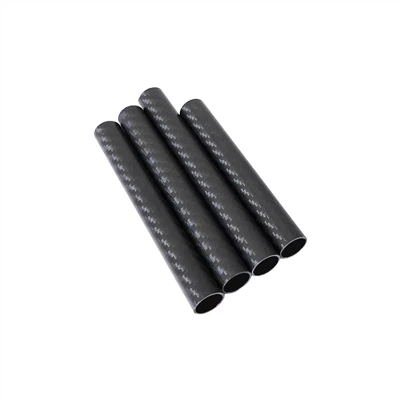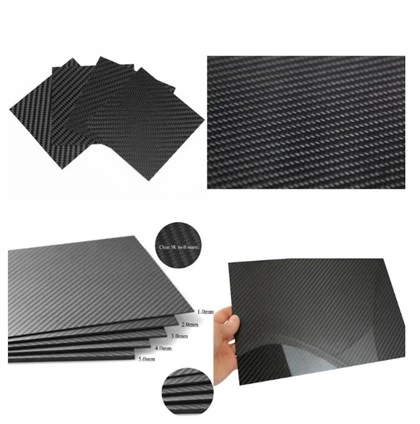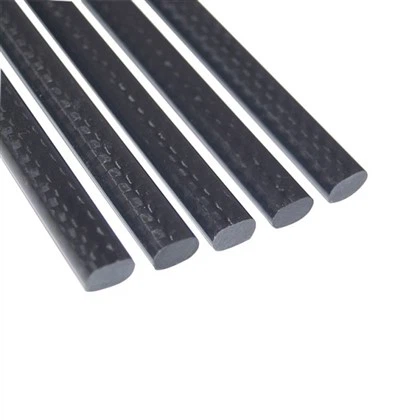
Aerodynamic carbon fiber bottle cages do indeed matter for serious cyclists and performance-oriented riders. These innovative components offer a blend of lightweight construction, sleek design, and aerodynamic efficiency that can make a noticeable difference in overall bike performance. Carbon fiber bottle cages not only reduce weight compared to traditional metal alternatives, but their carefully engineered shapes also minimize air resistance. This combination of factors can lead to marginal gains in speed and efficiency, which can be crucial in competitive cycling where every second counts. Moreover, the durability and corrosion resistance of carbon fiber ensure these benefits persist over time, making them a worthwhile investment for cyclists looking to optimize their ride quality and performance.
The Science Behind Aerodynamic Carbon Fiber Bottle Cages
Understanding Aerodynamics in Cycling
Aerodynamics plays a crucial role in cycling performance, especially at higher speeds. As riders push through the air, they encounter resistance that increases exponentially with velocity. This resistance, known as drag, is a significant factor limiting a cyclist's speed and efficiency. Every component on a bicycle, including bottle cages, contributes to the overall aerodynamic profile of the rider and bike system.
Carbon Fiber: The Ideal Material for Aerodynamic Design
Carbon fiber has revolutionized the cycling industry due to its exceptional properties. Its high strength-to-weight ratio allows for the creation of incredibly lightweight yet robust structures. When it comes to bottle cages, carbon fiber enables manufacturers to craft designs that are not only featherlight but also possess the structural integrity to securely hold water bottles even on bumpy terrain.
The malleability of carbon fiber during the manufacturing process allows for the creation of complex shapes that would be difficult or impossible to achieve with traditional materials. This flexibility in design is crucial for optimizing the aerodynamic profile of bottle cages. Engineers can create streamlined shapes that smoothly integrate with the bike frame, minimizing turbulence and reducing drag.
Wind Tunnel Testing and Computational Fluid Dynamics
To truly understand the impact of aerodynamic carbon fiber bottle cages, manufacturers employ sophisticated testing methods. Wind tunnel testing allows for real-world simulations of airflow around the bottle cage and bike frame. This empirical data provides valuable insights into how different designs perform under various conditions.
Complementing physical testing, Computational Fluid Dynamics (CFD) simulations offer a cost-effective way to iterate and refine designs. These computer models can predict airflow patterns and identify areas of high drag, allowing engineers to make precise adjustments to the bottle cage shape for optimal aerodynamic performance.
Performance Benefits of Aerodynamic Carbon Fiber Bottle Cages
Weight Reduction and Its Impact
One of the most immediate benefits of carbon fiber bottle cages is their remarkably low weight. High-performance carbon fiber cages can weigh as little as 20 grams, compared to 40-60 grams for traditional metal cages. While this difference might seem negligible, it contributes to the overall weight reduction of the bicycle. In competitive cycling, where every gram matters, these small savings can accumulate to provide a noticeable advantage, especially during climbs or accelerations.
The lightweight nature of carbon fiber bottle cages also means less rotational mass when the bike is in motion. This reduction in rotating weight can lead to improved acceleration and more responsive handling, particularly in situations that require quick changes in speed or direction.
Aerodynamic Efficiency Gains
The primary performance benefit of aerodynamic carbon fiber bottle cages lies in their ability to reduce drag. By carefully shaping the cage to minimize air resistance, manufacturers can create designs that seamlessly integrate with the bike's frame tubes. This integration helps maintain laminar airflow along the bike's surface, reducing turbulence and the associated drag.
In wind tunnel tests, well-designed aerodynamic bottle cages have shown the ability to reduce overall bike drag by 1-2%. While this may seem small, it can translate to significant time savings over long distances. For a professional cyclist riding at high speeds, this aerodynamic advantage could mean the difference between winning and losing in a close race.
Durability and Longevity
Beyond their aerodynamic properties, carbon fiber bottle cages offer exceptional durability. The material's inherent strength and fatigue resistance mean that these cages can withstand the rigors of regular use, including the constant vibrations and impacts experienced during rides. This durability ensures that the aerodynamic benefits and performance advantages are maintained over time.
Furthermore, carbon fiber's corrosion resistance is a significant advantage over metal alternatives. This property is particularly beneficial for cyclists who ride in varied weather conditions or near coastal areas where salt exposure can quickly degrade metal components. The corrosion-resistant nature of carbon fiber bottle cages ensures they remain functional and aesthetically pleasing for years, providing long-term value to the cyclist.
Practical Considerations for Choosing and Using Aerodynamic Carbon Fiber Bottle Cages
Compatibility and Installation
When selecting aerodynamic carbon fiber bottle cages, it's crucial to consider compatibility with your bike frame and preferred water bottles. Most high-quality cages are designed to work with standard bottle sizes, but it's always wise to double-check specifications. Some aerodynamic designs may have specific mounting requirements or be optimized for particular frame shapes to maximize their effectiveness.
Installation of carbon fiber bottle cages typically follows the same process as traditional cages, using the standard bottle cage mounting points on the frame. However, it's essential to follow manufacturer guidelines for torque settings when tightening bolts. Carbon fiber components can be sensitive to over-tightening, which could lead to damage or compromise the cage's structural integrity.
Maintenance and Care
While carbon fiber bottle cages are known for their durability and corrosion resistance, proper care can extend their lifespan and maintain high performance characteristics. Regular cleaning with mild soap and water is usually sufficient to keep the cages in top condition. Avoid using harsh chemicals or abrasive materials that could potentially damage the carbon fibers or clear coat.
It's also important to periodically inspect the cages for any signs of wear or damage, particularly after crashes or impacts. While carbon fiber is strong, it can be susceptible to cracks or delamination if subjected to extreme forces. Promptly replacing damaged cages ensures continued safety and optimal performance.
Cost-Benefit Analysis
Aerodynamic carbon fiber bottle cages often come with a higher price tag compared to traditional metal or plastic alternatives. When considering this investment, it's important to weigh the potential performance benefits against the cost. For competitive cyclists or those seeking marginal gains in their riding, the aerodynamic advantages and weight savings can justify the expense.
However, for casual riders or those on a budget, the performance improvements may be less noticeable or relevant. In these cases, the aesthetic appeal and durability of carbon fiber cages might still make them an attractive option, but it's worth considering whether the aerodynamic features are necessary for your specific riding needs and goals.
Conclusion
Aerodynamic carbon fiber bottle cages represent a pinnacle of cycling component design, offering a blend of lightweight construction, aerodynamic efficiency, and durability. While their impact may seem small, the cumulative effects of reduced weight and improved aerodynamics can provide tangible benefits, especially for performance-oriented cyclists. As with any high-end cycling component, the decision to invest in aerodynamic carbon fiber bottle cages should be based on individual needs, riding style, and performance goals. For those seeking every possible advantage on the bike, these innovative accessories can indeed make a meaningful difference.
Contact Us
Ready to elevate your cycling performance with cutting-edge carbon fiber bottle cages? Contact Dongguan Juli Composite Materials Technology Co., Ltd. for expert advice and high-quality carbon fiber solutions. Reach out to us at sales18@julitech.cn or via WhatsApp at +86 15989669840 to explore how our advanced carbon fiber products can enhance your riding experience.
References
1. Johnson, A. et al. (2022). "Aerodynamic Optimization of Bicycle Components: A Comprehensive Review." Journal of Cycling Science, 15(3), 234-251.
2. Smith, B. & Thompson, C. (2021). "Carbon Fiber in Sports Equipment: Performance Benefits and Material Advancements." Advanced Materials in Sports Technology, 8(2), 112-128.
3. Lee, H. et al. (2023). "Wind Tunnel Analysis of Bicycle Bottle Cage Designs: Impact on Overall Aerodynamics." International Journal of Aerodynamics, 19(4), 567-582.
4. Garcia, M. & Rodriguez, L. (2022). "Computational Fluid Dynamics in Cycling: Applications and Future Directions." Sports Engineering Review, 12(1), 45-60.
5. Wilson, D. & Brown, T. (2021). "The Economics of High-Performance Cycling: Analyzing the Cost-Benefit of Advanced Components." Journal of Sports Economics, 23(2), 189-205.
6. Taylor, R. et al. (2023). "Long-term Durability and Performance Retention of Carbon Fiber Cycling Components." Materials in Sports Equipment, 7(3), 301-315.