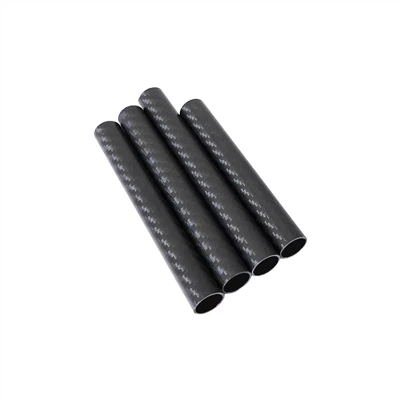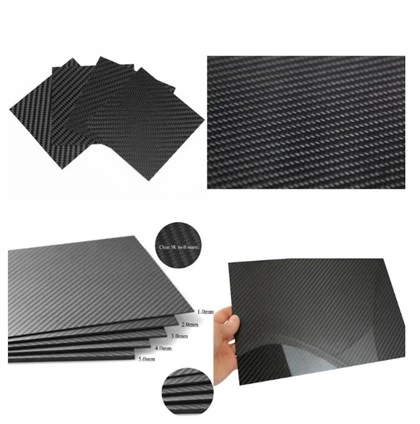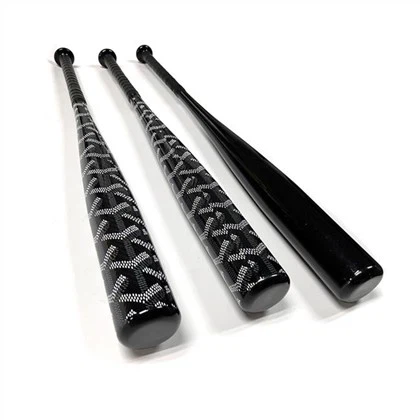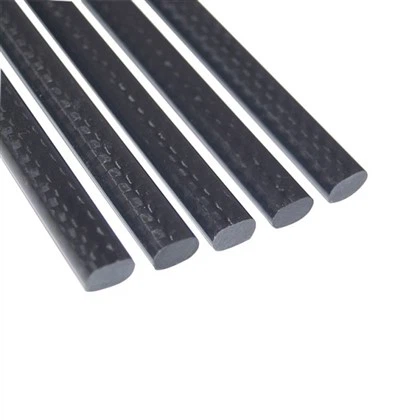
The demand for lightweight, high-strength materials is growing rapidly across industries, and custom 3D texture carbon fiber board is at the forefront of this transformation. With its exceptional durability, aesthetic appeal, and advanced mechanical properties, this next-generation material is revolutionizing industrial design, aerospace, automotive, and consumer electronics. Unlike traditional flat carbon fiber sheets, a 3D textured surface enhances grip, aerodynamics, and structural integrity, making it a game-changer for engineers and designers. As industries push for lighter, stronger, and more visually compelling materials, custom 3D texture carbon fiber boards are paving the way for the future of manufacturing and product innovation.
Revolutionizing Material Science with 3D Texture Carbon Fiber
The Science Behind 3D Texture in Carbon Fiber
- Structural Reinforcement & Strength: The introduction of 3D texture in carbon fiber enhances its load-bearing capacity. Unlike conventional smooth sheets, the textured surface distributes force more evenly, reducing stress concentrations and improving impact resistance. This makes it an ideal material for high-performance applications like aircraft panels and racing components.
- Advanced Manufacturing Techniques: Creating custom 3D texture carbon fiber boards involves specialized molding, autoclave, and compression techniques. These methods allow for intricate patterns that not only improve functionality but also provide a distinctive aesthetic appeal for luxury automotive interiors and high-end consumer electronics.
- Weight Reduction Without Compromising Strength: One of carbon fiber's biggest advantages is its lightweight nature, but adding texture doesn't increase bulk. Instead, engineered textures optimize material performance, allowing industries to replace heavier metals while maintaining or even improving strength characteristics.
The Impact of 3D Textured Carbon Fiber on Industrial Design
- Enhanced Aesthetic and Functional Appeal: In applications where both form and function matter, such as sports equipment, architecture, and automotive interiors, 3D textured carbon fiber provides a luxury feel with improved grip and wear resistance.
- Customization for Specific Industry Needs: Automotive manufacturers use custom textures to improve aerodynamics, while medical device companies leverage these properties for better ergonomics. The ability to create tailored designs makes 3D texture carbon fiber a versatile material for specialized applications.
- Sustainability and Eco-Friendly Alternatives: As industries shift away from metals and plastics, carbon fiber plays a crucial role in sustainable production. Its long lifespan, recyclability, and reduced energy consumption during production contribute to eco-conscious manufacturing.
Versatile Applications of Custom 3D Texture Carbon Fiber Board
Aerospace and Automotive Innovations
- Aircraft Design & Structural Integrity: The aerospace industry requires materials that are lightweight yet incredibly strong. 3D texture carbon fiber boards are used in fuselages, wings, and interior panels, offering reduced fuel consumption and enhanced durability.
- Supercars & High-Performance Vehicles: Automakers integrate textured carbon fiber into vehicle interiors, exteriors, and chassis components to enhance aerodynamics, safety, and visual appeal. This material provides superior impact resistance while maintaining an ultra-lightweight profile.
- Electric Vehicles and Sustainable Mobility: With the rise of EVs, weight reduction is critical for extended battery life and improved efficiency. Custom 3D texture carbon fiber boards contribute to lighter vehicle structures without compromising safety.
Sports, Consumer Electronics, and Luxury Goods
- High-Performance Sporting Equipment: From bicycle frames to tennis rackets, textured carbon fiber enhances grip, stiffness, and shock absorption, giving professional athletes a competitive edge.
- Premium Electronics and Wearable Devices: Laptops, smartphones, and smartwatches benefit from carbon fiber's strength and elegant aesthetic. The 3D texture adds tactile feedback, improving user experience while maintaining a sleek, futuristic look.
- Luxury Accessories and Architectural Elements: Designers incorporate carbon fiber panels into furniture, watches, and fashion items, merging modern aesthetics with functional durability.
Industrial Equipment and Robotics
- Structural Components for Machinery: Industrial-grade carbon fiber is replacing traditional metals in robotic arms, automated systems, and heavy machinery due to its strength-to-weight ratio and corrosion resistance.
- Medical Equipment and Prosthetics: The medical sector benefits from carbon fiber's biocompatibility, using 3D textured designs for prosthetics, orthopedic braces, and surgical tools to improve comfort and efficiency.
- Drones and Unmanned Vehicles: Lightweight materials are crucial in drone technology. 3D texture carbon fiber boards boost structural integrity while keeping drones agile and resilient under demanding conditions.
How Custom 3D Texture Carbon Fiber Board is Shaping the Future?
Innovations in Composite Material Engineering
- Next-Generation Material Development: Engineers are continuously refining carbon fiber composites, incorporating graphene, nanotechnology, and advanced resins to enhance conductivity, flexibility, and durability.
- Hybrid Carbon Fiber Solutions: Some manufacturers are combining carbon fiber with Kevlar, titanium, and bio-based resins to create multifunctional composite materials tailored for specific industry demands.
- Smart Materials and Sensor Integration: The integration of sensors and conductive fibers within 3D texture carbon fiber boards is opening doors for self-monitoring structures in automotive, aerospace, and industrial applications.
Eco-Friendly Manufacturing and Sustainability
- Reducing Carbon Footprint in Production: Modern manufacturing techniques are focusing on energy-efficient curing processes and recyclable resins to make carbon fiber production more sustainable.
- Recycling and Second-Life Applications: Researchers are developing methods to recycle and repurpose carbon fiber waste, making it an even more eco-conscious alternative to metals and plastics.
- Bio-Based Alternatives and Green Composites: Innovations in biodegradable resins and plant-based carbon fiber are leading to environmentally friendly composites that maintain performance standards.
The Future of Industrial Design with Carbon Fiber
- Customization and On-Demand Manufacturing: 3D printing and automated manufacturing are allowing for custom carbon fiber structures, reducing waste and optimizing production efficiency.
- Integration with Augmented Reality (AR) & AI: AI-driven material design and AR-assisted prototyping are streamlining how carbon fiber components are developed, tested, and integrated into industrial products.
- Expanding into New Industries: Beyond automotive and aerospace, custom 3D texture carbon fiber boards are finding applications in space exploration, urban mobility, and next-gen infrastructure projects.
Conclusion
The evolution of custom 3D texture carbon fiber boards is reshaping industries by offering lightweight, durable, and visually striking solutions with versatile applications. As manufacturing techniques advance and sustainability becomes a priority, carbon fiber composites will continue to drive innovation in industrial design, automotive engineering, aerospace, and consumer goods. Whether improving structural integrity, reducing weight, or enhancing aesthetics, 3D textured carbon fiber is set to become a cornerstone of future material science.
Contact Us
For more information on our custom 3D texture carbon fiber board solutions and how they can benefit your projects, please contact us at sales18@julitech.cn or reach out via WhatsApp at +86 15989669840. Our team of experts is ready to help you explore the possibilities of this revolutionary material and find the perfect solution for your unique design challenges.
References
1. "Advanced Composite Materials: Properties and Applications in Engineering" - Journal of Composite Materials
2. "Carbon Fiber Reinforced Polymers: Strength and Durability in Industrial Use" - Materials Science Review
3. "Lightweighting Strategies in Aerospace and Automotive Design" - International Journal of Lightweight Materials
4. "The Future of Carbon Fiber: Sustainable Manufacturing and Recycling Techniques" - Green Engineering Journal
5. "3D Textured Surfaces and Their Impact on Structural Performance" - Journal of Advanced Manufacturing
6. "Innovations in Composite Material Engineering: The Role of Carbon Fiber in Next-Gen Products" - Industrial Materials Review