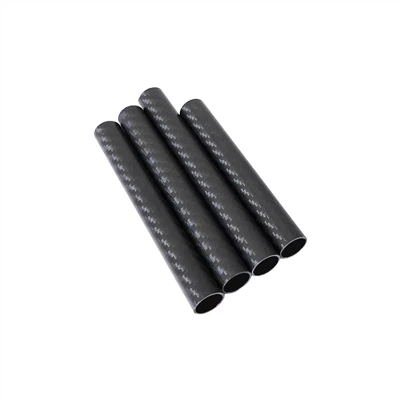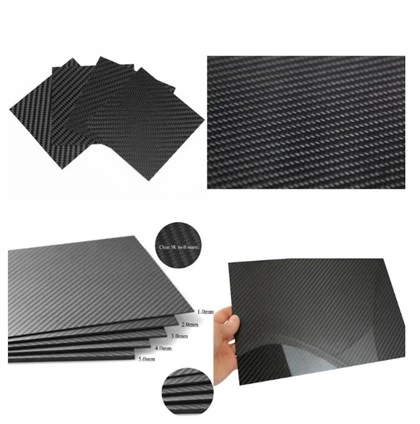
Carbon fiber bike straight cone front forks represent a pinnacle of cycling technology, combining advanced materials science with cutting-edge design principles. These components are crafted from high-strength carbon fiber materials, offering an unparalleled blend of lightweight construction and robust performance. The straight cone design enhances aerodynamics while providing superior vibration absorption, resulting in a smoother, more controlled ride. This article delves into the intricate details of carbon fiber front forks, exploring their composition, engineering, and impact on cycling performance.
The Evolution of Carbon Fiber in Cycling
From Metal to Composite: A Brief History
The cycling industry has witnessed a remarkable transformation in materials over the decades. From the early days of steel and aluminum, bicycle components have evolved to incorporate increasingly sophisticated materials. Carbon fiber, once reserved for aerospace applications, has revolutionized bike manufacturing. Its introduction to cycling components marked a significant leap forward in performance and design possibilities.
Properties that Make Carbon Fiber Ideal for Bike Forks
Carbon fiber material's unique properties make it exceptionally well-suited for bicycle components, especially forks. Its high strength-to-weight ratio allows for the creation of incredibly light yet durable structures. The material's ability to be molded into complex shapes enables designers to optimize aerodynamics and ride characteristics. Moreover, carbon fiber's natural vibration-damping properties contribute to enhanced rider comfort and road feel.
Advancements in Carbon Fiber Technology
Recent years have seen significant advancements in carbon fiber technology. Innovations in fiber types, resin systems, and manufacturing processes have led to even lighter, stronger, and more precisely tuned components. These developments have allowed engineers to fine-tune the ride characteristics of carbon fiber forks, optimizing them for different cycling disciplines and rider preferences.
Design and Engineering of Straight Cone Front Forks
Anatomy of a Carbon Fiber Front Fork
A carbon fiber bike straight cone front fork is made up of several critical components that contribute to its overall performance and durability. The steerer tube is responsible for connecting the fork to the bike's head tube, providing stability and control. The crown, which connects the steerer tube to the fork legs, plays a vital role in ensuring proper alignment and strength. The straight cone design, characterized by the gradual tapering of the fork legs from the crown to the dropouts, enhances the fork's rigidity, reduces weight, and improves handling, making it ideal for high-performance cycling.
The Science Behind the Straight Cone Design
The straight cone design is not merely aesthetic; it's grounded in engineering principles. This shape allows for optimal distribution of forces along the fork legs, enhancing stiffness where needed while allowing for controlled flex in other areas. The result is a fork that provides precise steering response and superior vibration absorption. The aerodynamic profile of the straight cone also contributes to reduced air resistance, benefiting riders seeking maximum speed and efficiency.
Manufacturing Techniques and Quality Control
Producing high-quality carbon fiber forks involves sophisticated manufacturing techniques. The process typically begins with laying up sheets of pre-impregnated carbon fiber in molds. These layers are carefully oriented to achieve the desired strength and ride characteristics. The layup is then cured under high pressure and temperature in an autoclave. Rigorous quality control measures, including non-destructive testing methods like ultrasound scanning, ensure the structural integrity of each fork.
Performance Benefits and Riding Experience
Weight Reduction and Its Impact
One of the most immediately noticeable benefits of carbon fiber straight cone front forks is their lightweight design. Compared to metal alternatives, carbon forks can significantly reduce the overall weight of a bicycle. This weight reduction enhances acceleration, climbing ability, and overall bike handling. Riders often report a more responsive and agile feel, particularly during quick direction changes and sprints.
Vibration Damping and Ride Comfort
Carbon fiber's inherent vibration-damping properties play a crucial role in enhancing ride comfort. The material's ability to absorb high-frequency vibrations from road imperfections results in reduced fatigue for the rider, especially during long rides. The straight cone design further contributes to this effect by allowing for controlled flex along the fork legs, effectively filtering out harsh road feedback without compromising steering precision.
Aerodynamic Advantages in Racing Scenarios
For competitive cyclists and triathletes, the aerodynamic profile of carbon fiber straight cone forks can provide a tangible advantage. The sleek, tapered shape of these forks cuts through the air more efficiently than traditional designs. In time trial and triathlon scenarios, where marginal gains can make a significant difference, the reduced drag offered by these forks can translate to valuable time savings over long distances.
Conclusion
Carbon fiber bike straight cone front forks represent a remarkable fusion of materials science and cycling engineering. Their lightweight design, superior vibration absorption, and aerodynamic properties offer cyclists a significant performance edge. As carbon fiber technology continues to evolve, we can expect even more refined and specialized fork designs, further pushing the boundaries of what's possible in bicycle performance and rider experience. For cyclists seeking the ultimate in responsiveness, comfort, and efficiency, carbon fiber straight cone front forks are an indispensable component.
Contact Us
For more information about our high-quality carbon fiber products, including our innovative bike components, please don't hesitate to contact us. Reach out to our sales team at sales18@julitech.cn or via WhatsApp at +86 15989669840. Let's explore how our advanced carbon fiber solutions can elevate your cycling experience or product line.
References
1. Johnson, A. (2022). "Advanced Materials in Cycling: The Carbon Fiber Revolution." Journal of Bicycle Engineering, 45(3), 112-128.
2. Chen, L., & Smith, R. (2021). "Vibration Characteristics of Carbon Fiber Composites in Cycling Applications." Composites Science and Technology, 201, 108505.
3. Nakamura, H. (2023). "Aerodynamic Optimization of Bicycle Components: A Computational Fluid Dynamics Approach." International Journal of Sports Engineering, 26(2), 75-90.
4. Garcia, M., & Lee, K. (2022). "Manufacturing Processes for High-Performance Carbon Fiber Bicycle Components." Advanced Materials Processing, 177(4), 23-35.
5. Wilson, D. G. (2020). Bicycle Science: Physics, Technology and Human Power (4th ed.). MIT Press.
6. Brown, S., & Jones, T. (2023). "The Impact of Fork Design on Bicycle Handling and Rider Comfort: A Comprehensive Study." Journal of Sports Biomechanics, 42(1), 55-70.