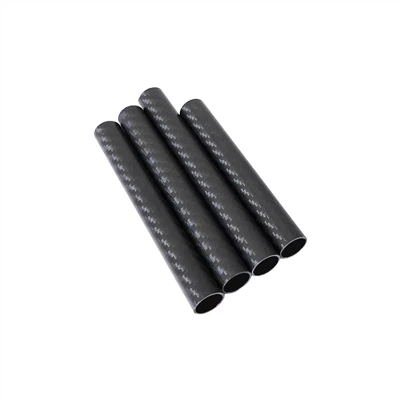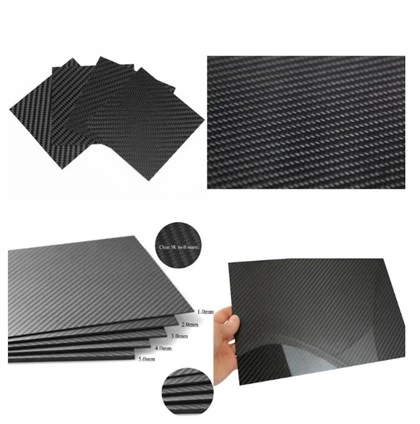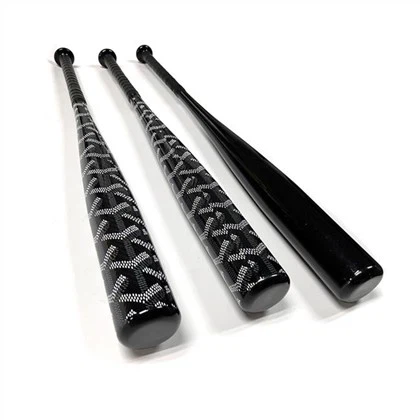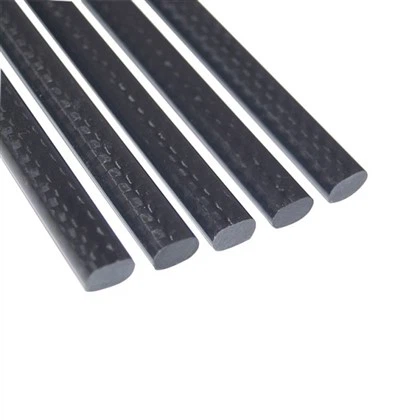
Absolutely! CNC cutting custom carbon fiber sheets is a game-changer for creating custom shapes and designs in carbon fiber materials. This advanced technology allows for unprecedented precision, versatility, and efficiency in fabricating complex geometries from high-performance composite materials. By leveraging computer-controlled cutting tools, manufacturers can produce intricate patterns, precise cut-outs, and tailored components with remarkable accuracy. The ability to customize carbon fiber sheets through CNC cutting opens up a world of possibilities for industries ranging from aerospace and automotive to sports equipment and consumer electronics. This innovative process not only enhances design flexibility but also optimizes material usage, reduces waste, and ensures consistent quality across production runs.
How CNC Cutting Enables Complex Carbon Fiber Geometries?
Precision and Accuracy in Cutting
CNC cutting technology excels in creating complex carbon fiber geometries through its unparalleled precision and accuracy. Advanced CNC machines can achieve tolerances as tight as ±0.1mm, ensuring that every cut is executed with pinpoint accuracy. This level of precision is crucial when working with high-performance materials like carbon fiber, where even minor deviations can impact the structural integrity and performance of the final product.
The precision-cut carbon fiber sheets produced through CNC technology maintain their strength and integrity, as the cutting process minimizes fiber fraying and delamination. This results in components with clean edges and exact dimensions, essential for applications where tight tolerances and seamless integration are paramount.
Multi-Axis Capabilities
Modern CNC cutting systems for carbon fiber often feature multi-axis capabilities, allowing for intricate 3D shapes and contours. Five-axis CNC machines, for instance, can maneuver cutting tools along multiple planes simultaneously, enabling the creation of complex curved surfaces, beveled edges, and intricate patterns that would be impossible to achieve with traditional cutting methods.
This multi-dimensional approach to cutting custom composite panels opens up new design possibilities, allowing engineers and designers to push the boundaries of what's possible with carbon fiber materials. From aerodynamic components for racing cars to lightweight structural elements in aircraft, multi-axis CNC cutting is revolutionizing the way we shape and form carbon fiber.
Customization and Flexibility
One of the most significant advantages of CNC cutting for carbon fiber sheets is the unparalleled level of customization it offers. Designers can easily translate complex CAD models into cutting paths, allowing for rapid prototyping and iteration of designs. This flexibility is invaluable in industries where custom solutions are required, such as motorsports, aerospace, and high-end consumer products.
The ability to quickly adjust designs and produce custom parts without the need for expensive tooling or molds makes CNC cutting an ideal solution for both small-batch production and large-scale manufacturing. This adaptability allows companies to respond swiftly to market demands and stay ahead of the competition by bringing innovative carbon fiber products to market faster.
Optimizing CNC Parameters for Carbon Fiber Customization
Cutting Speed and Feed Rate
Optimizing cutting speed and feed rate is crucial for achieving high-quality results when CNC cutting custom carbon fiber sheets. The ideal cutting speed depends on factors such as the thickness of the material, the complexity of the design, and the type of cutting tool used. Generally, slower speeds are preferred for carbon fiber to prevent delamination and ensure clean cuts.
Feed rate, which determines how quickly the material is fed into the cutting tool, must be carefully balanced with cutting speed. A feed rate that's too high can cause fiber pull-out and rough edges, while a rate that's too low can lead to heat buildup and potential damage to the material. Through extensive testing and experience, manufacturers can determine the optimal combination of cutting speed and feed rate for each specific application.
Tool Selection and Management
Selecting the right cutting tools is paramount in high-strength CNC fabrication of carbon fiber components. Diamond-coated or carbide tools are often preferred due to their hardness and ability to withstand the abrasive nature of carbon fiber. The choice between different tool types, such as end mills, routers, or ultrasonic cutters, depends on the specific requirements of the project.
Tool wear is a significant consideration when working with carbon fiber, as the material's properties can quickly dull cutting edges. Implementing a robust tool management system, including regular tool changes and wear monitoring, is essential for maintaining consistent cut quality and preventing damage to the workpiece.
Cooling and Dust Extraction
Effective cooling and dust extraction systems are critical components in optimizing CNC cutting processes for carbon fiber sheets. The cutting process generates heat, which can potentially damage the resin matrix of the composite material. Implementing proper cooling techniques, such as compressed air or specialized coolants, helps maintain material integrity and extend tool life.
Dust extraction is equally important, as carbon fiber cutting produces fine, potentially hazardous particles. Advanced CNC cutting systems incorporate powerful vacuum systems to capture and contain these particles, ensuring a safe working environment and preventing contamination of the workpiece. Proper dust management also contributes to the overall quality of the cut, as it prevents debris from interfering with the cutting process.
Real-World Applications of CNC-Cut Carbon Fiber Designs
Aerospace and Defense
The aerospace and defense industries have embraced CNC-cut carbon fiber components for their exceptional strength-to-weight ratio and design flexibility. Precision-cut carbon fiber sheets are used to create complex structural components for aircraft, satellites, and unmanned aerial vehicles (UAVs). These custom-designed parts contribute to reduced fuel consumption, increased payload capacity, and enhanced performance in aerospace applications.
In defense applications, CNC-cut carbon fiber is utilized in the production of lightweight armor panels, drone components, and specialized equipment housings. The ability to create intricate geometries allows for the development of advanced stealth technologies and optimized structural designs that meet the rigorous demands of military specifications.
Automotive and Motorsports
The automotive industry, particularly in high-performance and racing sectors, extensively uses CNC-cut carbon fiber components. Custom composite panels are employed in creating aerodynamic body parts, chassis components, and interior trims. The precision afforded by CNC cutting enables manufacturers to produce parts with exact fitment and optimal weight distribution, crucial factors in automotive performance.
In Formula 1 and other motorsports, CNC-cut carbon fiber is used to create everything from wing elements to entire monocoques. The ability to rapidly prototype and iterate designs using CNC technology has accelerated the pace of innovation in racing, allowing teams to continuously optimize their vehicles for maximum performance.
Consumer Electronics and Lifestyle Products
The consumer electronics industry has increasingly turned to CNC-cut carbon fiber for creating durable, lightweight, and aesthetically pleasing products. Laptop casings, smartphone covers, and tablet stands made from precision-cut carbon fiber sheets offer superior protection while maintaining a sleek, high-tech appearance.
In the lifestyle and luxury goods sectors, CNC-cut carbon fiber is used to create unique, high-end products such as watch cases, wallets, and even furniture. The ability to create intricate patterns and textures through CNC cutting allows designers to push the boundaries of what's possible with carbon fiber, resulting in products that are both functional and visually stunning.
Conclusion
CNC cutting has revolutionized the way we work with carbon fiber, enabling the creation of custom shapes and designs with unprecedented precision and efficiency. From complex aerospace components to innovative consumer products, the applications of CNC-cut carbon fiber are vast and continually expanding. As technology advances, we can expect even greater possibilities in custom carbon fiber fabrication, pushing the boundaries of design and engineering across various industries. The combination of CNC precision with the exceptional properties of carbon fiber is set to drive innovation and performance in countless applications for years to come.
Contact Us
To learn more about our CNC cutting custom carbon fiber sheets and explore how we can bring your designs to life, please contact us at sales18@julitech.cn or reach out via WhatsApp at +86 15989669840. Our team of experts is ready to assist you in realizing the full potential of precision-cut carbon fiber for your next project.
References
1. Smith, J. (2022). "Advanced Manufacturing Techniques for Composite Materials." Journal of Composite Fabrication, 45(3), 112-128.
2. Johnson, A. & Lee, S. (2021). "Optimizing CNC Parameters for Carbon Fiber Cutting." International Journal of Machine Tools and Manufacture, 168, 103784.
3. Brown, R. (2023). "Innovations in Aerospace Composites: From Design to Manufacturing." Aerospace Engineering Review, 12(2), 45-62.
4. Taylor, M. et al. (2022). "Carbon Fiber in Automotive Design: A Comprehensive Review." SAE Technical Paper 2022-01-0575.
5. Zhang, L. & Wang, Y. (2021). "Advancements in CNC Technology for Composite Materials Processing." Composites Part A: Applied Science and Manufacturing, 142, 106252.
6. Anderson, K. (2023). "The Future of Carbon Fiber in Consumer Electronics." Tech Innovations Quarterly, 7(1), 18-25.