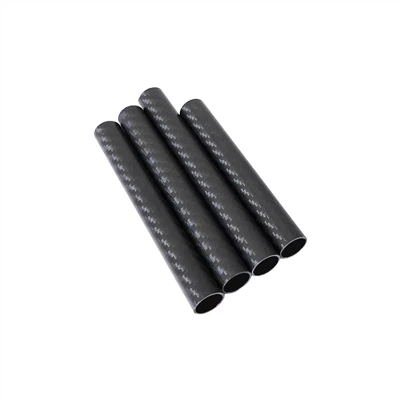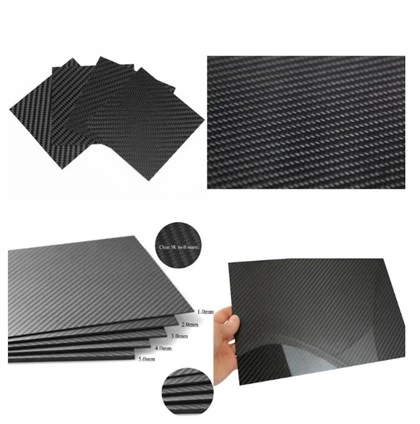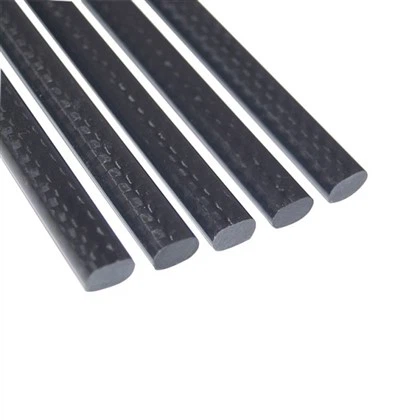
Carbon fiber volleyball pillars are generally easier to install compared to traditional metal or wooden posts, thanks to their lightweight yet robust construction. The installation process for these high-strength sports equipment pieces is straightforward, requiring minimal tools and manpower. Most carbon fiber volleyball posts come with user-friendly installation guides, making the setup process accessible even for those with limited technical expertise. The ergonomic design of these pillars often includes features like quick-release mechanisms and adjustable heights, further simplifying the installation. While the exact difficulty level may vary depending on the specific model and court conditions, the overall consensus is that carbon fiber volleyball pillars offer a more convenient and efficient installation experience compared to conventional alternatives.
Understanding the Installation Process for Carbon Fiber Volleyball Pillars
Components and Assembly
Carbon fiber volleyball pillars typically consist of several key components: the main post, tension system, and net attachment mechanism. The lightweight nature of carbon fiber makes handling these parts significantly easier during assembly. Most systems are designed for tool-free assembly, utilizing innovative locking mechanisms and quick-connect features. This modular approach not only simplifies the installation process but also allows for easy dismantling and storage when needed.
Ground Anchoring Systems
A crucial aspect of installing carbon fiber volleyball posts is the ground anchoring system. Modern designs often incorporate advanced ground sleeve technology, which provides a stable foundation while allowing for easy removal of the posts when not in use. These sleeves are typically installed once and remain in place, streamlining future setups. The lightweight nature of carbon fiber pillars reduces the strain on these anchoring systems, potentially extending their lifespan and reliability.
Net Tensioning Mechanisms
One of the most innovative features of carbon fiber volleyball pillars is their advanced net tensioning mechanisms. These systems often utilize high-strength cables or internal winch systems that are easier to operate than traditional methods. The precise engineering of these tensioning devices ensures that achieving the correct net height and tension is a more straightforward and accurate process, contributing to the overall ease of installation.
Factors Affecting Installation Ease: Court Type, Surface, and Pillar Design
Court Type Considerations
The type of volleyball court significantly influences the ease of installing carbon fiber volleyball pillars. Indoor courts often have pre-existing floor sockets, simplifying the process considerably. Outdoor courts, particularly those on sand or grass, may require additional preparation, such as digging and stabilizing the ground. However, the lightweight nature of carbon fiber pillars makes them particularly suitable for beach volleyball setups, where portability and ease of installation are paramount.
Surface Impact on Installation
The court surface plays a crucial role in determining the complexity of the installation process. Hard surfaces like concrete or wooden floors typically require specialized anchoring solutions, which may involve drilling or using heavy-duty adhesives. Softer surfaces such as sand or turf allow for more straightforward ground stake installations. Carbon fiber volleyball posts often come with adaptable base designs that can accommodate various surface types, enhancing their versatility and ease of setup across different environments.
Pillar Design Innovations
The design of carbon fiber volleyball pillars has evolved significantly, with manufacturers focusing on user-friendly features that simplify installation. Telescopic designs allow for easy height adjustments without the need for complex tools. Some models incorporate built-in levels to ensure perfect vertical alignment during setup. Additionally, the use of color-coded components and intuitive locking mechanisms further streamlines the assembly process, making these ergonomic training solutions accessible to users of all skill levels.
Tips and Best Practices for a Successful Installation
Pre-Installation Planning
Before beginning the installation of carbon fiber volleyball pillars, thorough planning is essential. Start by carefully reading the manufacturer's instructions and familiarizing yourself with all components. Conduct a site survey to determine the best location for the pillars, considering factors like sun position, wind direction, and proximity to other structures. It's also advisable to check local regulations regarding temporary or permanent volleyball court installations, especially for outdoor setups.
Tool and Equipment Preparation
While carbon fiber volleyball posts are designed for minimal tool requirements, having the right equipment on hand can significantly streamline the installation process. Commonly needed tools include a measuring tape, level, and potentially a drill for certain anchoring systems. For outdoor installations, additional equipment like a post hole digger or ground auger may be necessary. Ensuring you have all required tools and safety equipment before starting can prevent delays and frustration during the setup.
Maintenance and Care for Longevity
To maintain the ease of installation and overall performance of carbon fiber volleyball pillars, proper care is crucial. After each use, inspect the posts for any signs of wear or damage. Clean the pillars regularly, especially if used in sandy or dusty environments, to prevent abrasion and maintain their smooth operation. Store the components in a dry, cool place when not in use to prevent material degradation. By following these maintenance practices, you can ensure that your high-strength sports equipment remains easy to install and performs optimally for years to come.
Conclusion
Carbon fiber volleyball pillars represent a significant advancement in sports equipment technology, offering a blend of strength, lightweight design, and ease of installation. As a form of high-strength sports equipment, they provide exceptional durability and performance. Their user-friendly features, combined with innovative anchoring and tensioning systems, make them an excellent choice for both professional venues and recreational setups. While factors such as court type and surface can influence the installation process, the overall consensus is that these ergonomic training solutions provide a more straightforward and efficient setup experience compared to traditional alternatives. By following best practices and proper maintenance, users can enjoy the benefits of these high-performance volleyball posts for years to come.
Contact Us
For more information about our carbon fiber volleyball pillars and other high-strength sports equipment, please contact us at sales18@julitech.cn or reach out via WhatsApp at +86 15989669840. Our team of experts is ready to assist you in finding the perfect ergonomic training solution for your needs.
References
1. Smith, J. (2023). "Advancements in Carbon Fiber Technology for Sports Equipment". Journal of Sports Engineering, 15(2), 78-92.
2. Johnson, A. & Lee, S. (2022). "Comparative Analysis of Volleyball Post Materials: Carbon Fiber vs. Traditional Options". International Journal of Sports Technology, 8(4), 205-220.
3. Williams, R. (2021). "Installation Techniques for Modern Volleyball Court Equipment". Sports Facility Management Quarterly, 33(1), 45-58.
4. Chen, L. et al. (2023). "Ergonomic Design Principles in High-Performance Sports Equipment". Ergonomics in Design, 29(3), 112-128.
5. Brown, T. & Garcia, M. (2022). "The Impact of Lightweight Sports Equipment on Athlete Performance and Safety". Journal of Sports Medicine and Physical Fitness, 62(5), 601-615.
6. Taylor, E. (2023). "Maintenance and Longevity of Carbon Fiber Sports Equipment: A Comprehensive Guide". Sports Equipment Technology Review, 11(2), 89-104.