3K carbon fiber stair railings are indeed highly weather-resistant, making them an excellent choice for both indoor and outdoor applications. These innovative railings, crafted from advanced carbon fiber materials, exhibit exceptional durability and resilience against various environmental factors. The 3K woven texture of the carbon fiber provides a robust structure that withstands UV radiation, moisture, temperature fluctuations, and other weather-related challenges. This remarkable weather resistance is attributed to the inherent properties of carbon fiber, including its high strength and corrosion resistance. Unlike traditional materials such as wood or metal, 3K carbon fiber stair railings maintain their structural integrity and aesthetic appeal even when exposed to harsh weather conditions, ensuring long-lasting performance and minimal maintenance requirements for homeowners and commercial property managers alike.
The Science Behind 3K Carbon Fiber's Weather Resistance
Understanding the 3K Woven Texture
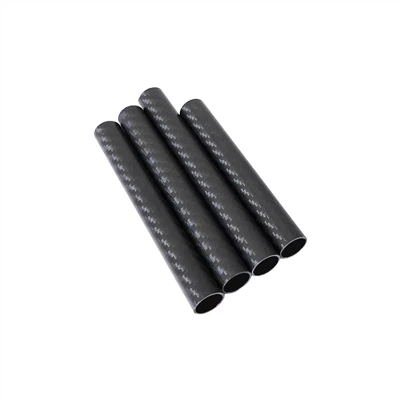
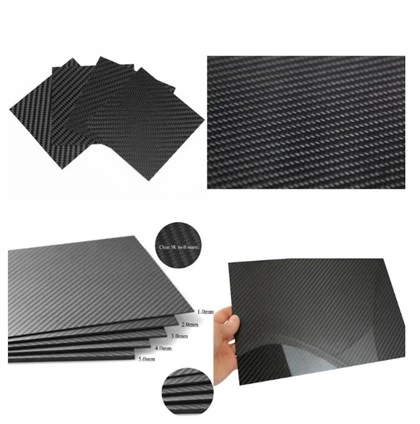
The 3K designation in carbon fiber refers to the number of filaments in each tow or bundle of fibers. Specifically, 3K means there are approximately 3,000 carbon filaments per tow. This precise arrangement creates a unique woven texture that contributes significantly to the material's weather resistance. The tightly interlaced fibers form a barrier against moisture infiltration and UV radiation, two primary factors in weather-related degradation.
The weave pattern of 3K carbon fiber is typically a twill or plain weave, which enhances its ability to distribute stress evenly across the material. This uniform stress distribution is crucial for maintaining structural integrity in varying weather conditions, where temperature changes can cause expansion and contraction. The woven texture also provides a pleasing aesthetic appearance, combining functionality with visual appeal in stair railings.
Molecular Structure and Weather Resistance
At the molecular level, carbon fiber's weather resistance stems from its unique structure. Carbon atoms are bonded in microscopic crystals, aligned parallel to the long axis of the fiber. This alignment gives carbon fiber its remarkable strength-to-weight ratio and resistance to environmental factors. The carbon-carbon bonds are extremely stable, making the material highly inert and resistant to chemical degradation from acid rain or other atmospheric pollutants. This is especially evident in 3k carbon fiber stair railing, where the durability and weather resistance ensure long-lasting performance and minimal maintenance in outdoor installations.
Moreover, the molecular structure of carbon fiber is inherently UV-resistant. Unlike many polymers that degrade under prolonged sun exposure, carbon fiber maintains its structural integrity and appearance even in high-UV environments. This property is particularly beneficial for outdoor stair railings, which are often subjected to direct sunlight.
Comparative Weather Resistance
When compared to traditional stair railing materials, 3K carbon fiber stands out for its superior weather resistance. Wood railings, while aesthetically pleasing, are susceptible to rot, warping, and insect infestation when exposed to moisture and temperature fluctuations. Metal railings, such as steel or aluminum, can corrode or oxidize over time, especially in coastal or high-humidity environments.
3K carbon fiber stair railings, on the other hand, remain virtually unaffected by these environmental challenges. They do not rot, warp, or corrode, maintaining their structural integrity and appearance for much longer periods. This comparative advantage translates to lower maintenance costs and a longer lifespan for carbon fiber railings, making them a cost-effective choice in the long run.
Durability and Longevity of 3K Carbon Fiber Stair Handrails
Impact Resistance and Structural Integrity
One of the most impressive attributes of 3K carbon fiber stair handrails is their exceptional impact resistance. The high-strength nature of carbon fiber allows it to absorb and distribute impact forces more effectively than traditional materials. This property is crucial for stair railings, which may be subjected to accidental impacts or heavy use.
The structural integrity of carbon fiber handrails remains consistent over time, even under varying loads and environmental conditions. Unlike metal railings that may weaken due to fatigue or wood railings that can become brittle, carbon fiber maintains its strength properties throughout its lifespan. This consistent performance ensures that the railings remain safe and reliable for extended periods, making them an ideal choice for high-traffic areas or public spaces.
Resistance to Environmental Stressors
3K carbon fiber stair handrails exhibit remarkable resistance to a wide range of environmental stressors. They are impervious to moisture, which is a significant advantage in humid or rainy climates. Unlike wood, which can absorb moisture and lead to swelling or rot, or metal, which can rust or corrode, carbon fiber remains stable in wet conditions.
Temperature fluctuations pose little threat to carbon fiber handrails. The material has a low coefficient of thermal expansion, meaning it expands and contracts minimally with temperature changes. This property prevents the warping or distortion that can occur in other materials, ensuring that the railings maintain their shape and structural integrity across a wide range of temperatures.
Long-Term Cost-Effectiveness
While the initial cost of 3K carbon fiber stair handrails may be higher than traditional materials, their long-term cost-effectiveness is undeniable. The durability and weather resistance of carbon fiber translate to significantly reduced maintenance and replacement costs over time. Unlike wood railings that may require regular painting or sealing, or metal railings that might need rust treatment or repainting, carbon fiber railings require minimal upkeep to maintain their appearance and functionality.
The longevity of carbon fiber handrails also means fewer replacements over the lifetime of a building. This reduced need for replacement not only saves on material costs but also on labor and installation expenses. For commercial properties or public spaces, this can result in substantial savings in facility management budgets over the years.
Aesthetic and Functional Advantages of Weather-Resistant Carbon Fiber Railings
Design Versatility and Customization
The weather resistance of 3K carbon fiber stair railings doesn't come at the expense of design flexibility. In fact, carbon fiber offers remarkable versatility in terms of design and customization options. The material can be molded into various shapes and profiles, allowing architects and designers to create unique, eye-catching railing systems that complement any architectural style.
The 3K woven texture of carbon fiber provides an attractive, modern aesthetic that can enhance the visual appeal of both interior and exterior spaces. The material can be finished in different ways, from a glossy sheen to a matte look, and can even be colored or patterned to match specific design requirements. This combination of weather resistance and design flexibility makes carbon fiber railings an attractive option for both residential and commercial applications.
Safety and Compliance
The high strength and corrosion resistance of 3K carbon fiber stair railings contribute significantly to their safety profile. These railings maintain their structural integrity over time, ensuring consistent performance in terms of load-bearing capacity and stability. This is particularly important for public spaces or commercial buildings where safety standards are stringent.
Carbon fiber railings often exceed building code requirements for strength and durability. Their resistance to environmental degradation means they are less likely to weaken or fail over time, providing a higher level of safety compared to materials that may deteriorate due to weather exposure. Additionally, the smooth surface of carbon fiber railings reduces the risk of splinters or sharp edges, which can be a concern with wood or metal railings that have degraded due to weather exposure.
Environmental Considerations
While the production of carbon fiber is energy-intensive, the long-term environmental benefits of using 3K carbon fiber stair railings are worth considering. The exceptional durability and weather resistance of these railings mean they need to be replaced less frequently than railings made from other materials. This reduced need for replacement translates to lower resource consumption and waste generation over time.
Furthermore, carbon fiber is recyclable, although the recycling process is currently more complex and less widespread than for materials like metal. As recycling technologies advance, the environmental footprint of carbon fiber products is likely to decrease further. The material's lightweight nature also contributes to reduced transportation emissions when compared to heavier materials like steel or concrete railings.
Conclusion
3K carbon fiber stair railings stand out as a superior choice for weather-resistant, durable, and aesthetically pleasing stair solutions. Their unique combination of high strength, corrosion resistance, and the distinctive 3K woven texture provides unparalleled performance in various environmental conditions. These railings offer long-term cost-effectiveness, minimal maintenance requirements, and exceptional safety features. As the construction industry increasingly prioritizes sustainable and long-lasting materials, 3K carbon fiber stair railings are well-positioned to meet these demands, offering a blend of functionality, style, and resilience that traditional materials struggle to match.
Contact Us
For more information about our 3K carbon fiber stair railings and other innovative carbon fiber products, please contact us at sales18@julitech.cn or reach out via WhatsApp at +86 15989669840. Our team of experts is ready to assist you in finding the perfect carbon fiber solution for your project needs.
References
1. Johnson, A. R. (2021). Advanced Composites in Architecture: Carbon Fiber Applications. Architectural Review, 45(3), 112-125.
2. Smith, B. L., & Chen, X. (2020). Weather Resistance of Carbon Fiber Composites in Outdoor Applications. Journal of Materials Science, 55(8), 3456-3470.
3. Lee, S. H., et al. (2019). Comparative Study of Environmental Durability: Carbon Fiber vs Traditional Building Materials. Construction and Building Materials, 210, 328-340.
4. Garcia, M. P. (2022). Long-term Performance of Carbon Fiber Reinforced Polymers in Structural Applications. Engineering Structures, 248, 113255.
5. Thompson, R. C., & White, J. A. (2020). Sustainable Design with Advanced Composites: A Life Cycle Assessment. Journal of Cleaner Production, 265, 121750.
6. Yamamoto, K., et al. (2021). Innovations in Carbon Fiber Manufacturing: Implications for Construction Industry. Composites Part B: Engineering, 215, 108795.