
Welcome to wholesale our carbon fiber exoskeleton components. As one of the leading China manufacturers and suppliers, we will offer you the best quality products and excellent service. For more info, contact our factory now.
Introduction to Carbon Fiber Exoskeleton Components
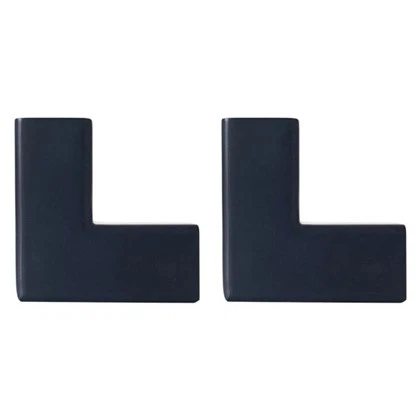
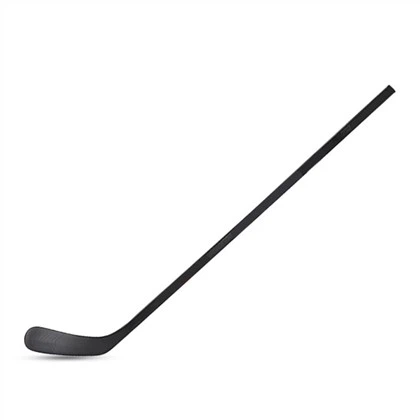
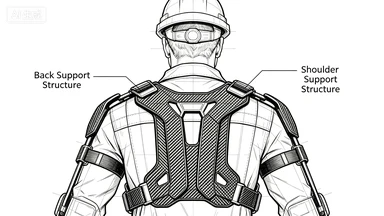
Carbon fiber exoskeleton components are revolutionary core parts of wearable exosystems, engineered with high-grade carbon fiber reinforced polymer (CFRP) to redefine the performance and usability of exoskeletons across industrial, medical, military, and rehabilitation fields. Unlike traditional metal components, carbon fiber parts combine exceptional strength, lightweight design, and durability, addressing key pain points of conventional exoskeletons-such as heavy weight, poor comfort, and limited adaptability. These components, including frames, joints, load-bearing plates, and support structures, are customized to fit human ergonomics, providing reliable assistance while ensuring long-term wearability. As the demand for efficient, comfortable exoskeletons grows, carbon fiber has become the material of choice for high-performance exoskeleton manufacturing, balancing functionality, durability, and user experience.
Key Advantages of Carbon Fiber Exoskeleton Components
The primary advantage of carbon fiber exoskeleton components lies in their exceptional strength-to-weight ratio. Compared to steel or aluminum counterparts, carbon fiber parts are 30% to 60% lighter while maintaining superior rigidity and load-bearing capacity. This lightweight design significantly reduces the overall weight of the exoskeleton, minimizing user fatigue during prolonged wear-critical for industrial workers who need to wear exoskeletons for 8+ hours daily, or military personnel carrying heavy gear in field operations. Additionally, the high rigidity of carbon fiber prevents structural deformation under heavy loads, ensuring stable support for tasks like lifting heavy objects or assisting with movement.
Another key benefit is their excellent thermal and environmental stability. Carbon fiber has an ultra-low coefficient of thermal expansion, meaning it barely expands or contracts with temperature changes, maintaining structural integrity in extreme environments-from hot industrial workshops to cold outdoor military settings. It is also highly resistant to corrosion, moisture, and chemical damage, eliminating the risk of rust or degradation, which extends the service life of exoskeleton components and reduces maintenance costs. Unlike metal parts that require regular lubrication or anti-corrosion treatment, carbon fiber components need minimal upkeep, making them more cost-effective in the long run.
Carbon fiber components also offer superior ergonomics and customization. The material is highly moldable, allowing manufacturers to design components that perfectly fit the human body's curves, reducing pressure points and improving comfort. This customization is particularly valuable for medical exoskeletons, which need to adapt to different body types and rehabilitation needs-such as assisting patients with mobility impairments to stand or walk. Furthermore, carbon fiber's high fatigue resistance ensures the components can withstand repeated use and mechanical stress without breaking, making them reliable for long-term applications.
Lastly, carbon fiber exoskeleton components contribute to energy efficiency. Their lightweight design reduces the energy required to operate the exoskeleton, whether it is a passive exoskeleton relying on mechanical support or an active one powered by motors. This not only improves user comfort but also extends the battery life of active exoskeletons, enhancing their practicality for extended use in various fields.
Frequently Asked Questions (Q&A)
Q1: Are carbon fiber exoskeleton components more expensive than metal ones?
A: Initially, carbon fiber components are more costly to manufacture than traditional metal parts due to the high cost of raw materials and precision manufacturing processes. However, their long service life, minimal maintenance requirements, and ability to reduce user fatigue and improve efficiency make them more cost-effective in the long term. For industrial or medical applications, the reduced downtime and improved productivity often offset the initial higher cost.
Q2: Can carbon fiber exoskeleton components be repaired if damaged?
A: Yes, most carbon fiber components can be repaired. Minor damages, such as small cracks or scratches, can be fixed using specialized epoxy resins and carbon fiber patches. For more severe damage, professional manufacturers can replace the damaged section without replacing the entire component, reducing repair costs. It is important to have repairs done by trained technicians to ensure the component maintains its strength and structural integrity.
Q3: Are carbon fiber components suitable for all types of exoskeletons?
A: Carbon fiber components are highly versatile and suitable for most exoskeleton types, including industrial load-bearing exoskeletons, medical rehabilitation exoskeletons, military exoskeletons, and even consumer-grade mobility aids. Their lightweight, rigid, and customizable properties make them ideal for applications where comfort, durability, and performance are critical. However, for low-cost, basic exoskeletons where budget is the primary concern, metal components may still be a more economical choice.
Q4: How long do carbon fiber exoskeleton components last?
A: With proper maintenance, carbon fiber exoskeleton components can last 5 to 10 years, depending on usage frequency and environmental conditions. They are resistant to wear, corrosion, and fatigue, making them much more durable than metal components, which typically last 3 to 5 years. Regular inspection for cracks or damage and minimal cleaning are sufficient to maintain their performance over time.
In summary, carbon fiber exoskeleton components represent a significant advancement in wearable technology, offering a unique combination of strength, lightweight design, durability, and customization. They address the key limitations of traditional metal components, making exoskeletons more comfortable, efficient, and reliable for a wide range of applications.
Hot Tags: carbon fiber exoskeleton components, China, factory, suppliers, manufacturers, wholesale