


Light as plastic, hard as steel:
Carbon fiber is 30% -50% lighter than aluminum alloy, but its strength is several times that of steel. It does not compress the shoulders or tire the waist when worn.
For example, if you carry a box of mineral water, the metal exoskeleton may look like an endorsement bag, and the carbon fiber one may look like wearing a thick coat.
Can withstand the turmoil:
Not afraid of rusting (corrosion-resistant), soaking in water, sweating, or rain does not affect its lifespan.
Long term use does not easily deform (fatigue resistance), suitable for workers who move bricks every day or trained patients.
can take temporary setbacks:
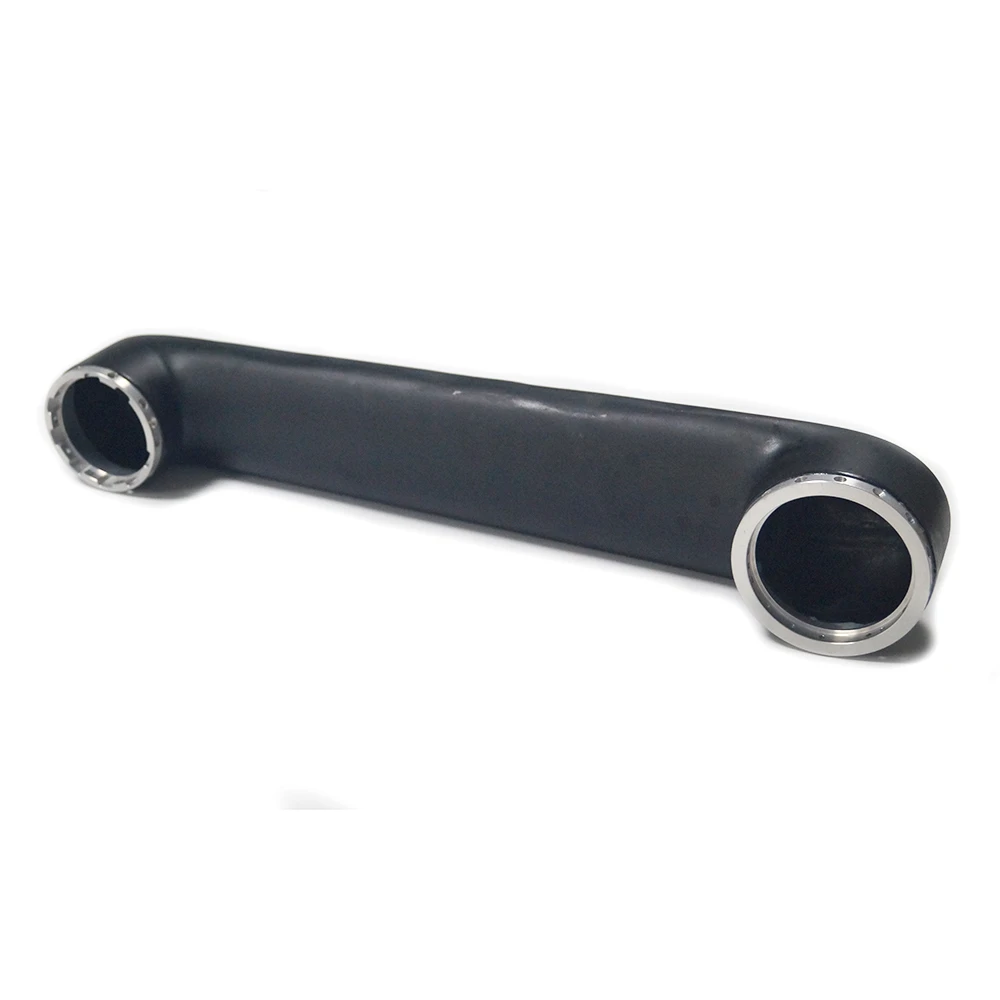
It can be made into various complex shapes, such as curves that fit the knees and waist, making it more comfortable to wear.
Helping you carry heavy loads: When carrying heavy objects, exoskeletons help you share the weight, reducing pressure on your waist and legs, and avoiding fatigue and back pain. For example, when carrying 20 pounds of rice, an exoskeleton can help you carry 15 pounds, while you only need 5 pounds of strength.
Can move and run:
By relying on electric motors or hydraulic drive, the joints can be as flexible as real people, making it easier to walk, climb stairs, and move things.
For example, people with limited mobility can stand up and walk on their own when wearing it.
Very intelligent:
Built in sensors that can sense your movements in real time (such as bending over or lifting your legs) and automatically adjust the force to assist you.
With a display screen or voice control, you can switch modes (such as "transport mode") with just a word.
Sufficient battery life:
Charging once can last for 4-8 hours, enough for one shift in the factory or a whole day of rehabilitation training.


Advantages: Lightweight and flexible: It is not bulky when worn and does not affect flexibility when working or walking. Durable and sturdy: not afraid of sweat or moisture, suitable for use in factories and outdoors. Effortless and efficient: Workers' efficiency doubles, patients recover faster.
Disadvantages: Expensive: High material and production costs, one may hold up to one small car, which ordinary people cannot afford. Afraid of falling and hitting: Carbon fiber is hard but brittle, and may crack when hit by heavy objects, making it difficult to repair (requiring a complete replacement). Conductive risk: Metal components should be carefully insulated, otherwise they may leak electricity or interfere with equipment.

Medical rehabilitation: With the increasing number of stroke and paralysis patients, hospitals and families need assistive devices to help patients walk again.
Industrial bricklaying: Factories and logistics are understaffed, and workers suffer from lumbar muscle strain. Enterprises are willing to spend money to reduce work-related injuries and improve efficiency.
Military rescue: Soldiers carry equipment to climb mountains and rescue teams enter disaster areas, requiring exoskeletons to carry heavy objects and maintain physical strength.
Ordinary people's fitness: Outdoor enthusiasts and fitness experts also want to use exoskeletons to enhance their physical strength, but they have to wait for the price to come down.
FAQ
Q: Do we support customization?
A: Customization requires sending us the 3D, and after evaluation, we will provide a quotation
Q: What is the delivery time?
A: 20-30 is the production time, 7-10 is the delivery time for express delivery
Hot Tags: carbon fiber wearable robot, China, factory, suppliers, manufacturers, wholesale


