

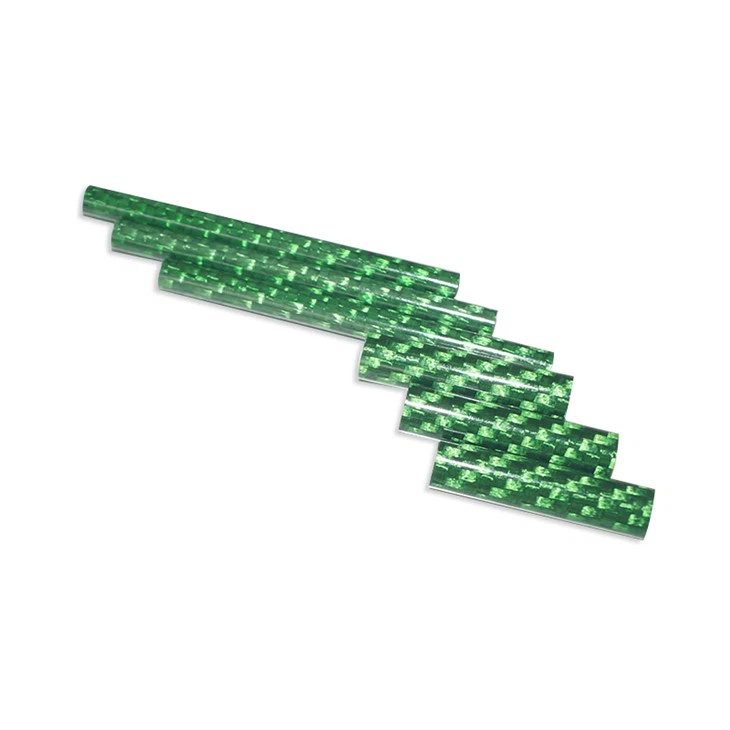

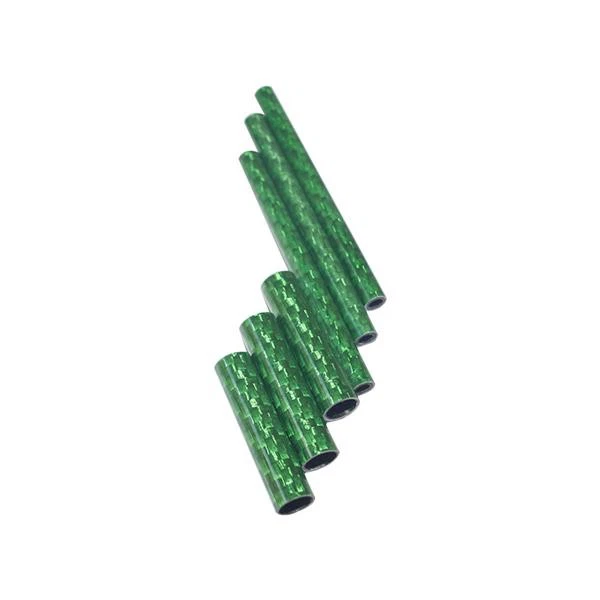

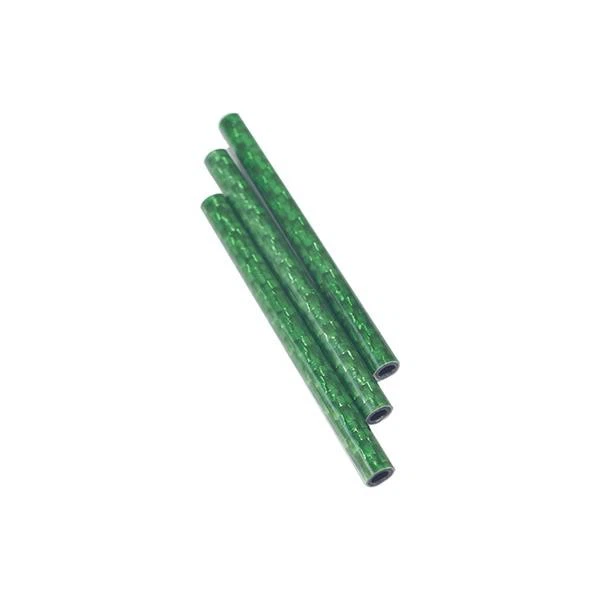
The aerospace industry is constantly pursuing lighter, stronger materials to improve aircraft performance and efficiency. Carbon fiber truss tube, as a lightweight and high-strength material, has become an indispensable and important component in the aerospace field. Its excellent properties make it widely used in aircraft, rockets and satellites.
1. Its use:
1. Aircraft structural support: It can be used for aircraft structural support, such as wing stringers, fuselage frames, etc. Its high strength and lightweight characteristics make the aircraft more stable, while reducing the overall weight and improving takeoff performance and usage efficiency.
2. Rocket and missile structures: In aerospace launchers, it can be used as structural support material for rockets and missiles. Its rigidity and strength allow rockets and missiles to withstand high acceleration forces while maintaining structural integrity.
3. Satellite platform structure: It can also be used for the structural framework of satellite platforms. Since spacecraft need to operate under extreme conditions, such as space vacuum, high temperature and low temperature environments, its excellent performance can ensure the stability and safety of the satellite platform.

2. How to use:
1. Material selection: When selecting carbon fiber truss tubes, factors such as load requirements, structural design, and material properties need to be considered. Different types of it can be selected for different loads and structural requirements, such as circular section, rectangular section or other special shapes.
2. Structural design: According to specific needs, designers can determine the size and layout of truss tubes through calculation and simulation analysis. Proper truss tube design ensures even load distribution and optimal reinforcement.
3. Manufacturing process: Its manufacturing usually uses spinning and curing processes. In the textile process, carbon fiber is made into a tube shape by weaving, winding, etc., and coated with epoxy resin. The curing process heat-treats carbon fiber and resin to solidify them into a solid structure.
4. Assembly and installation: After completing its fabrication, it is assembled with other components to form a complete structure. During the assembly process, size, location and connection methods need to be strictly controlled to ensure the stability and reliability of the overall structure.

in conclusion:
As a lightweight, high-strength material, carbon fiber truss tube has broad application prospects in the aerospace field. Its excellent performance can meet the strength, rigidity and lightweight requirements of aerospace vehicles. It plays an important role in aircraft structural support, rocket and missile structures, satellite platform structures, etc. Its use requires consideration of factors such as load requirements, structural design, and material properties. Depending on specific needs, designers can perform calculations and simulation analyzes to determine the size and layout of truss tubes. The manufacturing process typically uses spinning and curing processes. During the assembly and installation process, size, location and connection methods need to be strictly controlled to ensure the stability and reliability of the overall structure.


In short, it plays an important role in the aerospace industry, providing lightweight and high-strength solutions. As technology continues to advance, its application prospects will continue to expand, bringing more innovation and development to the aerospace industry.
Hot Tags: carbon fiber truss tube, China, factory, suppliers, manufacturers, wholesale


