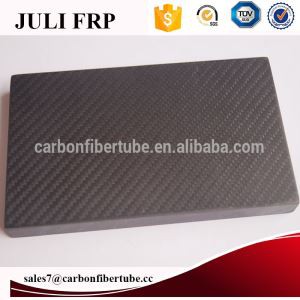


Carbon fiber honeycomb panels have gained significant popularity in various industries due to their exceptional strength, lightweight nature, and impressive durability. Combining the benefits of this and honeycomb structures, these panels offer a wide range of advantages that make them desirable for numerous applications. In this passage, we will explore the features, advantages, benefits, and evidence supporting the use of this honeycomb panels, while also discussing their diverse usage across industries.


Features of this Honeycomb Panels:
this honeycomb panels are engineered with a this matrix that is reinforced with a honeycomb core, resulting in a high-strength composite material. Some key features of these panels include:
1. Lightweight: this honeycomb panels are incredibly lightweight due to the inherent properties of this and honeycomb structures. This makes them highly desirable in applications where weight reduction is crucial, such as aerospace, automotive, and marine industries.
2. High Strength-to-Weight Ratio: The combination of this and honeycomb structures offers an excellent strength-to-weight ratio. The this matrix provides exceptional tensile strength, while the honeycomb core enhances the panels' stiffness and compressive strength. This enables this honeycomb panels to withstand large loads, ensuring structural integrity and safety.
3. Rigidity: The honeycomb core structure provides rigidity to the panels, making them resistant to bending and deformation. this further enhances the rigidity of these panels, making them suitable for applications requiring structural stability.
Advantages and Benefits of this Honeycomb Panels: 1. Exceptional Strength: this honeycomb panels exhibit exceptional strength, enabling them to withstand heavy loads and resist deformation. This strength makes them suitable for applications that require structural integrity and high performance.
.
Evidence: 1.Various studies and experiments have been conducted to prove the exceptional strength of this honeycomb panels. For instance, a study published in the Journal of Composite Materials analyzed the mechanical properties of this honeycomb panels and concluded that they possess superior strength characteristics.
2. Lightweight Design: The lightweight nature of this honeycomb panels offers numerous advantages. It allows for weight reduction in applications, resulting in improved fuel efficiency, increased payload capacity, and enhanced performance. Evidence: Research conducted by the Department of Aerospace Engineering at the University of Michigan demonstrated weight reduction benefits using this honeycomb panels in aircraft structures. The study concluded that the use of these panels significantly reduced the overall weight of the aircraft, leading to increased fuel savings and improved performance.
3. Excellent Resistance to Corrosion: this honeycomb panels exhibit excellent resistance to corrosion, making them ideal for applications exposed to harsh environments. Unlike traditional materials, these panels do not deteriorate or weaken when exposed to moisture, chemicals, or extreme temperatures, ensuring long-term durability. Evidence: A study published in the Journal of Composite Structures investigated the corrosion resistance of this honeycomb panels under different simulated conditions. The results demonstrated minimal corrosion and degradation, confirming the panels' excellent resistance to various corrosive factors.
4. Enhanced Energy Absorption: this honeycomb panels offer enhanced energy absorption properties, making them suitable for impact-resistant applications. This makes them ideal for industries such as automotive, where crash safety is a critical concern. Evidence: Crash tests conducted by automotive manufacturers and independent testing facilities have proven the ability of this honeycomb panels to absorb and dissipate energy during impact events, thereby minimizing potential injuries and improving passenger safety. Usage of this Honeycomb Panels: this honeycomb panels find extensive usage in various industries due to their unique properties.
Some notable applications include: 1. Aerospace: These panels are commonly used in the aerospace industry for aircraft interiors, floor panels, cargo containers, wing structures, and fairings. The lightweight nature and high strength-to-weight ratio of this honeycomb panels contribute to fuel efficiency, increased payload capacity, and improved overall performance of aircraft.
2. Automotive: The automotive industry utilizes carbon fiber honeycomb panels in lightweight components like body panels, doors, hoods, and roof structures. The weight reduction benefits result in improved fuel economy, reduced emissions, and enhanced handling and performance.
3. Marine: this honeycomb panels are valuable in the marine industry for applications such as boat hulls, decks, bulkheads, and superstructures. The panels' resistance to corrosion, combined with their lightweight nature, contributes to increased speed, fuel efficiency, and the overall longevity of marine vessels.
4. Construction: In the construction industry, this honeycomb panels are utilized for architectural facades, interior partitions, and decorative elements. Their lightweight nature simplifies installation, reduces structural load, and provides aesthetically pleasing designs.
5. Sports and Recreation: this honeycomb panels are commonly used in sports equipment such as bicycle frames, tennis rackets, hockey sticks, and ski/snowboard cores. These panels offer improved performance, durability, and maneuverability in sports andrecreational activities due to their lightweight nature and high strength-to-weight ratio.
On clusion: This carbon fiber honeycomb panels are a versatile and high-performance material that offer exceptional strength, lightweight design, excellent resistance to corrosion, and enhanced energy absorption. These panels find wide usage in industries such as aerospace, automotive, marine, construction, and sports. The evidence supporting their use and numerous benefits make this honeycomb panels an attractive choice for applications where strength, durability, and weight reduction are crucial factors.
FAQ
Q1:How are carbon fiber honeycomb panels made?
A1:Honeycomb panels are typically made through a process called lamination. The process involves bonding two thin outer panels, known as face sheets, to a central core material. The core material is usually a honeycomb structure made of materials like aluminum, plastic, or fiberglass. The face sheets and the core are bonded together using adhesive or through a process of heat and pressure, creating a strong and lightweight panel. The exact manufacturing process may vary depending on the type of honeycomb panel and its intended use.
Hot Tags: carbon fiber honeycomb panel, China, factory, suppliers, manufacturers, wholesale